
How Long Does Bulk Beef Tallow Last and How to Store It Properly

How Long Does Bulk Beef Tallow Last and How to Store It Properly
Bulk beef tallow lasts 12 to 18 months at room temperature when stored in an airtight container away from light and heat, while refrigeration extends its life to two years and freezing preserves it for three years or more. The key to maximizing shelf life is protecting rendered fat from oxygen, moisture, and temperature fluctuations that trigger rancidity.
We tested multiple storage methods with bulk beef tallow and tracked freshness indicators over time. Whether you buy in quantity for cooking, rendering your own from grass fed beef suet, or using tallow for skincare, proper storage protects your investment and keeps the fat stable for months.
Shelf Life by Storage Method
Different storage approaches offer varying timelines for bulk beef tallow. Here's what we found across common scenarios.
| Storage Method | Expected Shelf Life | Best For |
|---|---|---|
| Pantry (sealed, dark) | 12-18 months | Daily cooking use, frequent access |
| Refrigerator | 18-24 months | Moderate use, humid climates |
| Freezer | 3+ years | Long-term bulk storage |
Room temperature storage works well for bulk beef tallow for frying you use weekly. The fat remains soft and scoopable, and you avoid the hassle of thawing. We keep a working jar in the pantry and store backup containers in the freezer.
100 grass fed beef tallow typically lasts longer than conventional versions because grass-fed fat contains higher levels of natural antioxidants like vitamin E and conjugated linoleic acid. These compounds slow oxidation and extend the window before off-flavors develop.
Signs Your Tallow Has Gone Bad
Rancid tallow announces itself clearly. Fresh beef tallow smells clean and mildly beefy, with a neutral or slightly savory aroma. When fat oxidizes, you'll notice a crayon-like, musty, or paint-like smell that's unmistakable once you've encountered it.
Visual cues include:
- Yellow or gray discoloration (fresh tallow is white to cream)
- Surface mold or fuzzy growth (rare but possible if moisture entered)
- Separated liquid pooling at the bottom
- Slimy or sticky texture instead of waxy firmness
Taste is the final test. Rancid fat tastes sour, bitter, or metallic. If you're uncertain after smelling, taste a tiny amount. Spoiled tallow won't make you sick in small quantities, but you'll want to spit it out immediately.
We've never had properly stored tallow go bad within the expected timeline. The few times we encountered rancidity, the container had been left open near the stove or stored in a warm garage during summer.
Best Containers and Storage Locations
The right container makes the difference between tallow that lasts a year and tallow that lasts three. We prefer wide-mouth glass jars with metal lids for pantry storage. Mason jars work perfectly and let you see the fat's color at a glance.
For freezer storage, food-grade plastic containers or heavy-duty freezer bags prevent freezer burn. Portion large quantities into smaller containers so you only thaw what you need. We freeze bulk beef tallow for skin in four-ounce jars that match our monthly usage for whipped tallow balm and whipped tallow face cream.
Avoid these common mistakes:
- Storing near the stove, oven, or dishwasher (heat accelerates rancidity)
- Using containers with worn or loose-fitting lids
- Decanting into containers while tallow is still warm (creates condensation)
- Keeping tallow in direct sunlight or under bright kitchen lights
Dark pantry shelves away from appliances offer ideal conditions. If your kitchen runs hot or you live in a warm climate, refrigeration is worth the minor inconvenience of harder fat. Commercial operations often use bulk foodservice options that arrive in sealed buckets designed for long-term storage.
How to Store Rendered Tallow from Suet
If you render your own tallow from suet tallow, cooling and straining technique affects shelf life as much as storage method. After rendering, strain the liquid fat through cheesecloth or a fine-mesh strainer to remove all protein particles and tissue fragments. Even tiny bits of meat will spoil and contaminate the entire batch.
Let strained tallow cool to room temperature before sealing. Pouring hot fat into containers creates steam that condenses as moisture inside the jar. That trapped water promotes bacterial growth and shortens shelf life dramatically.
We let rendered tallow sit uncovered for 30 minutes, then cover loosely with a towel for another hour before sealing completely. This gradual cooling eliminates condensation while protecting the fat from airborne contaminants.
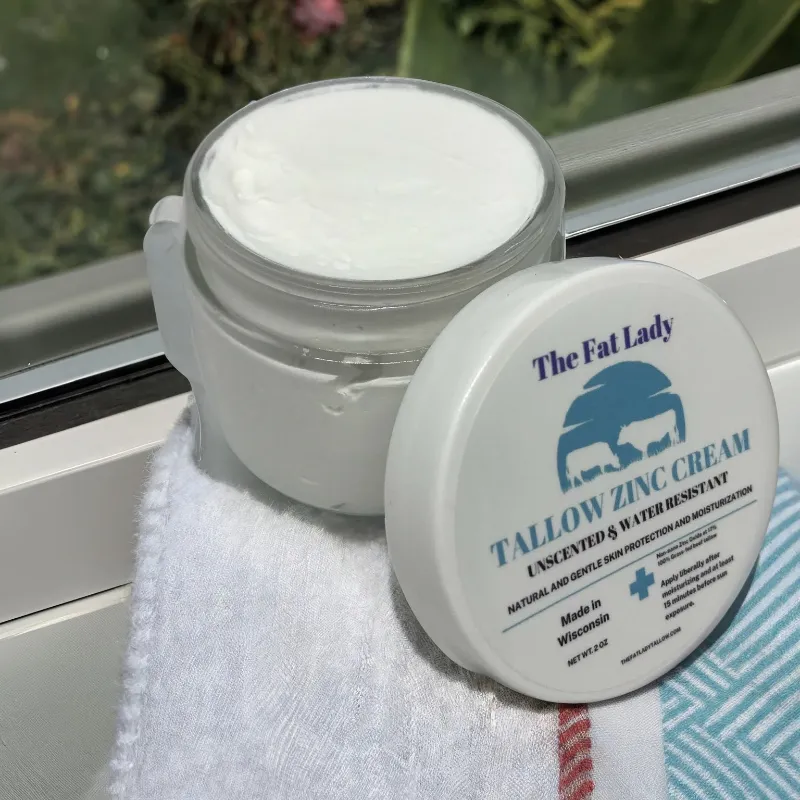
For peak freshness with organic grass-fed beef tallow bulk purchases, ask the supplier about rendering date and storage history. The Fat Lady tallow and similar small-batch producers often include this information, which helps you estimate remaining shelf life when you receive the product.
Where to Buy Bulk Beef Tallow and What to Look For
Quality sourcing extends practical shelf life before you even open the container. Look for suppliers who use oxygen-absorbing packaging, opaque containers, or vacuum-sealed bags. These methods remove air contact that starts the oxidation clock.
Grab our discount code for The Fat Lady's grass-fed options, which arrive fresh-rendered and properly packaged for maximum shelf life. We've tested their tallow body wash and cooking fats, and consistently found clean aroma and stable texture months after opening.
When shopping for bulk beef tallow near me, ask these questions:
- Is the tallow rendered from grass-fed or grain-fed cattle?
- What is the rendering and packaging date?
- Has the fat been filtered or strained?
- What storage conditions does the supplier use?
Wholesale sources like Faire's beef tallow selection serve restaurants and retailers but often accommodate individual bulk buyers. Essential Depot's tallow products cater to soap makers and skincare formulators who need consistent quality in larger quantities.
Compare pricing and packaging sizes across suppliers, but prioritize freshness indicators over the lowest price. Cheap tallow that arrives already oxidized costs more in wasted product than premium fat stored properly from the start.
Extending Shelf Life with Smart Portioning
We store bulk purchases in a tiered system that balances convenience and preservation. The main supply lives in the freezer in one-pound portions. A working jar stays in the pantry for daily cooking, and a small container of whipped tallow cream sits in the bathroom cabinet.
This approach means the bulk reserve never experiences temperature swings or repeated exposure to air. Each time you refill the working jar, the remaining frozen tallow stays undisturbed at a stable temperature.
Portioning also suits different uses. Keep leaf lard for baking separate from beef tallow since pork fat has a distinct flavor profile. Store cosmetic-grade tallow for tallow sunscreen or face creams away from cooking fats to prevent cross-contamination of food odors.
Check current pricing and availability at The Fat Lady to find the bulk size that matches your storage capacity and usage rate. Buying a five-pound container you'll use in six months beats a twenty-pound bucket that sits half-full for two years.
Frequently asked questions
Can you freeze bulk beef tallow to extend its shelf life?
Yes, freezing extends tallow shelf life to three years or longer. Portion into smaller containers before freezing so you only thaw what you need, and always let it thaw in the refrigerator rather than at room temperature to prevent condensation.
Does grass-fed tallow last longer than conventional tallow?
Grass-fed tallow typically lasts longer because it contains higher levels of natural antioxidants like vitamin E that slow oxidation. The difference is modest but noticeable, often adding two to four months to pantry storage life.
How can you tell if beef tallow has gone rancid?
Rancid tallow smells like crayons, paint, or musty cardboard instead of clean and mildly beefy. It may also turn yellow or gray, develop a sour or bitter taste, or show mold if moisture contaminated the container.
Should I refrigerate tallow after opening?
Refrigeration is optional if you'll use the tallow within a few months and store it in a cool, dark pantry. Refrigerate if your kitchen runs warm, you live in a hot climate, or you want to maximize shelf life beyond 18 months.
What is the best container for storing rendered tallow?
Wide-mouth glass jars with tight metal lids work best for pantry and refrigerator storage. For freezer storage, use food-grade plastic containers or heavy-duty freezer bags to prevent freezer burn.
How long does tallow last at room temperature?
Properly stored bulk beef tallow lasts 12 to 18 months at room temperature in an airtight container kept away from heat, light, and moisture. High-quality grass-fed tallow often reaches the upper end of this range.