
Pork Lard vs Beef Tallow for Cooking: Which Should You Choose?

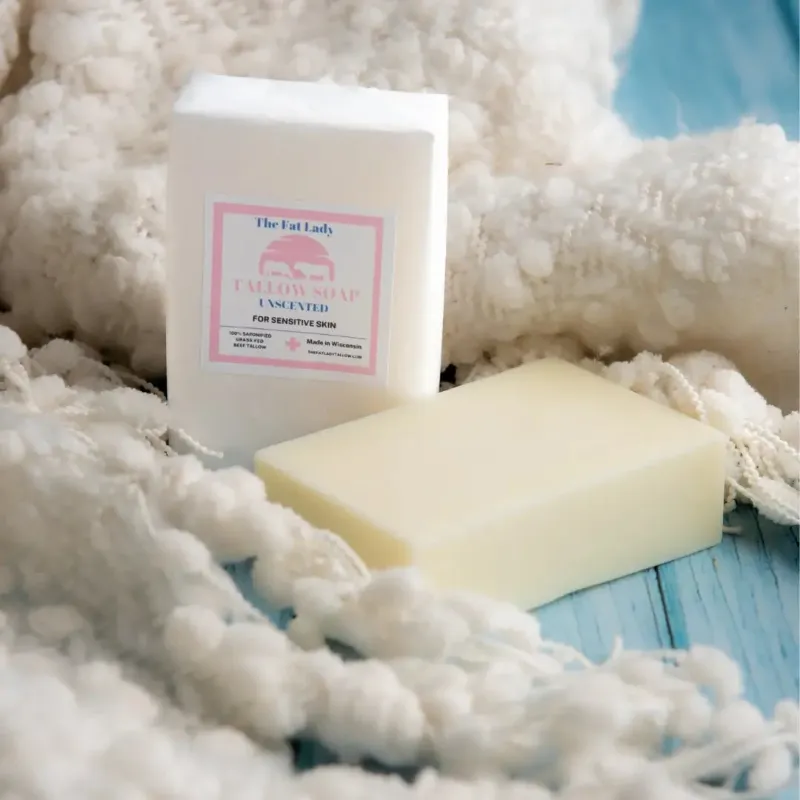
Bulk Beef Tallow vs Pork Lard: Key Differences
When shopping for bulk beef tallow or pork lard, you're choosing between two traditional animal fats with distinct cooking properties. Beef tallow offers a higher smoke point and savory depth ideal for frying, while pork lard delivers unmatched flakiness in baked goods. We tested both fats across multiple cooking methods to show you exactly where each one shines.
Both fats have made a comeback in kitchens focused on whole-animal cooking and traditional methods. The right choice depends on whether you're searing steaks, making pie crust, or stocking a pantry for everyday use.
Smoke Point and High-Heat Cooking
Beef tallow reaches a smoke point around 400°F, making it our top pick for high-heat applications. We use 100 grass fed beef tallow for deep frying chicken, searing cast iron steaks, and roasting vegetables at temperatures that would burn most oils. The fat remains stable and doesn't break down into off-flavors or harmful compounds.
Pork lard has a slightly lower smoke point, typically between 370-375°F. It handles medium-high heat well but begins to smoke earlier than tallow. For most stovetop sautéing and shallow frying, lard performs beautifully. When you need bulk beef tallow for frying at sustained high temperatures, tallow wins.
Smoke point comparison:
| Fat Type | Smoke Point | Best Use |
|---|---|---|
| Beef Tallow | ~400°F | Deep frying, searing, roasting |
| Pork Lard | 370-375°F | Sautéing, baking, medium-heat frying |
Flavor Profiles in Cooking
Beef tallow brings a rich, savory note that complements roasted and fried foods. The Fat Lady tallow adds depth to French fries, hash browns, and root vegetables without overwhelming their natural taste. The flavor is assertive enough to enhance but subtle enough for everyday cooking.
Pork lard tastes milder and slightly sweet, which is why bakers prize it. Leaf lard for baking comes from the fat around the pig's kidneys and has the most neutral flavor of any lard. It creates flaky pie crusts, biscuits, and pastries without adding a "porky" taste. For savory dishes like refried beans or carnitas, standard pork tallow contributes a gentle pork essence that enhances the dish.
When you want a cooking fat that adds savory complexity, reach for tallow. When you need a neutral backdrop that won't compete with delicate flavors, choose leaf lard.
Baking Performance
Lard dominates in baking because of its unique fat crystal structure. It coats flour proteins without fully blending, creating distinct layers that puff and separate during baking. This produces the flakiest pie crusts, biscuits, and tortillas. We've compared lard-based pie dough against butter and shortening, and lard consistently delivers superior texture.
Tallow can work in baking but produces a denser, less flaky result. Some traditional recipes, particularly British suet puddings, specifically call for suet tallow. For most American-style baked goods, lard is the better choice.
- For pie crusts and pastries: lard creates unmatched flakiness
- For biscuits and scones: lard yields tender layers
- For tortillas: lard provides authentic texture and pliability
- For suet puddings: tallow is the traditional choice
Where to Buy Bulk Beef Tallow and Lard
Finding quality animal fats in larger quantities saves money and ensures you have cooking fat on hand. Check our code for $5 off grass-fed options from The Fat Lady, which ships bulk beef tallow and leaf lard for baking in various sizes.
For restaurant or commercial needs, wholesale beef tallow through Faire connects you with multiple suppliers, and bulk foodservice tallow comes in 50-pound containers for high-volume kitchens.
When buying in bulk:
- Grass-fed sourcing: look for organic grass-fed beef tallow bulk options for cleaner flavor and better fatty acid profiles
- Storage: tallow and lard both store at room temperature for months when rendered properly, or refrigerate for extended shelf life
- Rendering quality: properly rendered fat should be creamy white (lard) or pale yellow (tallow) with no meaty smell
Grab the latest pricing to compare small-batch rendered fats against commodity options.
Beyond Cooking: Skin Care Applications
Both fats have traditional uses in skin care, though beef tallow has gained more modern attention. Beef suet tallow for skin closely matches human skin's fatty acid profile, making products like whipped tallow balm and whipped tallow face cream popular for dry skin, eczema, and general moisturizing. We've tested whipped tallow cream and found it absorbs quickly despite its rich texture.
Specialty products like tallow sunscreen and tallow body wash incorporate grass fed beef suet for its skin-nourishing properties. Bulk beef tallow for skin applications should come from grass-fed sources to maximize nutrients like vitamins A, D, E, and K.
Pork lard also appears in traditional skin remedies but has a shorter track record in modern formulations. If you're exploring animal-fat skin care, tallow-based products dominate the current market.
Which Fat Should You Stock?
Choose beef tallow if you:
- Fry foods frequently at high heat
- Want a versatile fat for roasting and searing
- Cook primarily savory dishes
- Need bulk beef tallow for frying large batches
- Want a fat that doubles for skin care
Choose pork lard if you:
- Bake pies, biscuits, or pastries regularly
- Prefer a milder, more neutral cooking fat
- Make traditional Mexican or Southern recipes
- Want the absolute best texture in baked goods
Many serious home cooks keep both on hand. We store tallow near the stove for daily cooking and lard in the refrigerator for weekend baking projects. Both fats cost less per use than quality olive oil or butter and bring traditional techniques back to modern kitchens.
For most readers looking to replace seed oils with traditional fats, starting with bulk beef tallow gives you the most flexibility across cooking methods.
Frequently asked questions
Can I substitute beef tallow for lard in pie crust?
You can, but the crust won't be as flaky. Lard's unique fat structure creates distinct layers in pastry dough, while tallow produces a denser, less tender result. For pies and biscuits, stick with lard or leaf lard.
Where can I buy bulk beef tallow near me?
The Fat Lady ships grass-fed bulk beef tallow nationwide, or check local butcher shops and ethnic grocers that cater to traditional cooking. Some Whole Foods and natural markets carry smaller containers in the refrigerated section.
Does beef tallow or pork lard last longer at room temperature?
Both store well at room temperature for 6-12 months when properly rendered and kept in airtight containers away from light. Tallow tends to stay solid longer in warm kitchens because of its higher melting point.
Is grass-fed beef tallow worth the extra cost for cooking?
Grass-fed tallow offers a cleaner flavor and better nutrient profile, including more omega-3s and fat-soluble vitamins. For everyday frying the difference is subtle, but for skin care or finishing dishes it's noticeable.
Can I use the same tallow for cooking and skin care?
Yes, as long as it's food-grade and properly rendered. Many people buy bulk beef tallow and use it for both frying and making DIY balms, though dedicated skin care products like whipped tallow creams include additional moisturizing ingredients.