
Whipped Tallow Balm vs Whipped Tallow Cream: What's the Difference?

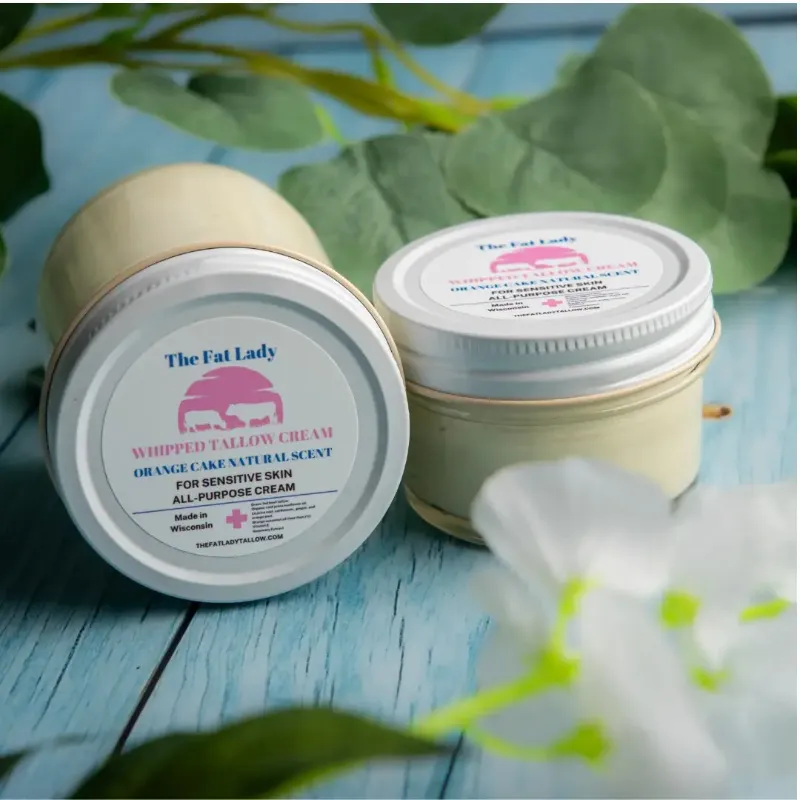
What Makes Whipped Tallow Balm Different from Cream
Whipped tallow balm is thicker and more concentrated than cream, designed to create a protective barrier on skin while delivering deep moisture. The main difference comes down to formulation: balms typically contain higher ratios of tallow to liquid oils, giving them a firmer texture that melts on contact with skin. Creams blend tallow with more carrier oils and sometimes water-based ingredients, resulting in a lighter, more spreadable consistency that absorbs faster.
Both products start with 100 grass fed beef tallow as the base ingredient, prized for its bioavailable vitamins A, D, E, and K. The choice between balm and cream depends on your skin type, the season, and whether you need targeted treatment or full-body hydration.
Texture and Consistency Comparison
The most obvious distinction is how each product feels in the jar and on your skin:
- Balm texture: Firm at room temperature, requires warmth from your fingers to soften, leaves a slightly occlusive layer that locks in moisture
- Cream texture: Soft and fluffy straight from the container, spreads easily without warming, absorbs more quickly with minimal residue
- Whipping process: Both undergo whipping to incorporate air, but whipped tallow balm is whipped for less time to maintain body, while whipped tallow cream is whipped longer for a mousse-like finish
If you live in a warm climate, balm may soften naturally, while cream can become almost liquid. In cold weather, balm holds its structure better, making it ideal for portable use.
Ingredient Ratios and Formulation
The core difference lies in the tallow-to-oil ratio and any additional ingredients:
| Component | Whipped Tallow Balm | Whipped Tallow Cream |
|---|---|---|
| Tallow content | 70-90% | 50-70% |
| Liquid oils | 10-30% (jojoba, olive) | 30-50% (more variety) |
| Additions | Minimal (essential oils) | May include aloe, honey, water |
Many home recipes for whipped tallow balm for face use pure The Fat Lady tallow with just a touch of essential oil for scent. Cream formulations often incorporate multiple carrier oils to adjust absorption speed and skin feel. When you check the latest price on either product, look at the ingredient list to confirm the tallow percentage.
Some makers also produce whipped tallow face cream specifically for facial use, which tends to fall between balm and body cream in richness.
Best Uses for Each Product
Your intended application should guide your choice:
Choose balm when you need:
- Intensive overnight facial treatment
- Healing for cracked hands, elbows, or heels
- Diaper rash relief or baby skincare
- Protection from wind, cold, or harsh weather
- Targeted spot treatment for dry patches
Choose cream for:
- Daily all-over body moisturizer after showering
- Daytime facial moisturizer under makeup
- Massage or quick absorption needs
- Summer months when heavy balm feels too occlusive
- Easier spreading over large areas
The whipped tallow balm benefits include superior barrier protection, while cream excels at providing hydration without weight. We use both in our routine, applying balm to problem areas and cream everywhere else.
How Skin Type Affects Your Choice
Your natural skin characteristics play a major role:
- Dry or mature skin: Balm provides the richness and fatty acids needed to restore suppleness, especially during winter
- Oily or acne-prone skin: Cream absorbs faster and feels less greasy, though tallow is non-comedogenic for most people
- Combination skin: Use balm on dry zones (cheeks, around eyes) and cream on normal areas
- Sensitive skin: Both work well since pure tallow is hypoallergenic, but balm's simpler formulation means fewer potential irritants
Parents often choose balm for children because it stays put and withstands drool and frequent washing. Adults who want a multi-purpose product that works on face, body, and even lips typically prefer the versatility of a good balm formulation.
Making Your Own vs Buying Ready-Made
Both products are simple enough to make at home if you start with quality rendered tallow:
DIY balm recipe basics:
- Melt bulk beef tallow with 10-20% jojoba or olive oil
- Cool until semi-solid
- Whip with a hand mixer for 5-10 minutes
- Store in glass jars
DIY cream variations:
- Add more liquid oils (sweet almond, avocado) for lighter texture
- Incorporate a small amount of aloe vera gel for extra slip
- Whip longer to achieve fluffier consistency
Ready-made options save time and ensure consistent results. When you grab the code for The Fat Lady products, you get tallow rendered from grass-fed sources with proper whipping technique already done.
Some crafters also experiment with suet tallow or pork tallow for different fatty acid profiles, though beef tallow remains the most popular for skincare due to its close match to human sebum.
Shelf Life and Storage Tips
Both products are remarkably stable thanks to tallow's saturated fat content:
- Expected shelf life: 12-18 months when stored properly
- Storage location: Cool, dark cabinet or refrigerator in hot climates
- Container type: Glass jars prevent plastic leaching and preserve freshness
- Contamination prevention: Use clean, dry fingers or a small spatula to scoop product
Balm's lower oil content gives it a slight edge in longevity, but both resist rancidity far better than plant-based lotions. If you make large batches, consider adding vitamin E oil as a natural preservative.
Beyond face and body care, tallow-based products extend to specialized uses like tallow sunscreen for natural SPF support and tallow body wash for gentle cleansing. The versatility of grass-fed tallow makes it worth keeping both balm and cream formulations on hand for different needs throughout the year.
Frequently asked questions
Can I use whipped tallow balm on my face every day?
Yes, whipped tallow balm works well as a daily facial moisturizer, especially for dry or mature skin. Start with a small amount since it's concentrated, and apply to damp skin for better absorption. Many people use it as a nighttime treatment and switch to a lighter cream during the day.
Does whipped tallow cream absorb faster than balm?
Whipped tallow cream absorbs significantly faster because it contains more liquid oils and less tallow by percentage. Balm is designed to sit on the skin longer and create a protective barrier, while cream sinks in within a few minutes.
Will tallow products clog my pores?
Grass-fed tallow is non-comedogenic for most people because its fatty acid profile closely resembles human sebum. However, individual reactions vary, so patch-test any new product first, especially if you have oily or acne-prone skin.
How long does homemade whipped tallow balm last?
Properly stored homemade whipped tallow balm lasts 12 to 18 months in a cool, dark place. Always use clean utensils to scoop product, and refrigerate during hot weather to maintain texture and prevent any rancidity.
Can I whip regular tallow into a balm myself?
Yes, you can whip rendered beef tallow with a hand or stand mixer after letting it cool to a semi-solid state. Add 10 to 30 percent carrier oils for your desired consistency, then whip for 5 to 15 minutes until fluffy.
Which is better for winter dry skin?
Whipped tallow balm is typically better for severe winter dryness because its higher tallow content creates a stronger moisture barrier against cold, harsh weather. Apply it to exposed areas like hands and face before going outdoors.