
Can You Bake With Leaf Lard? Storage and Substitution Tips

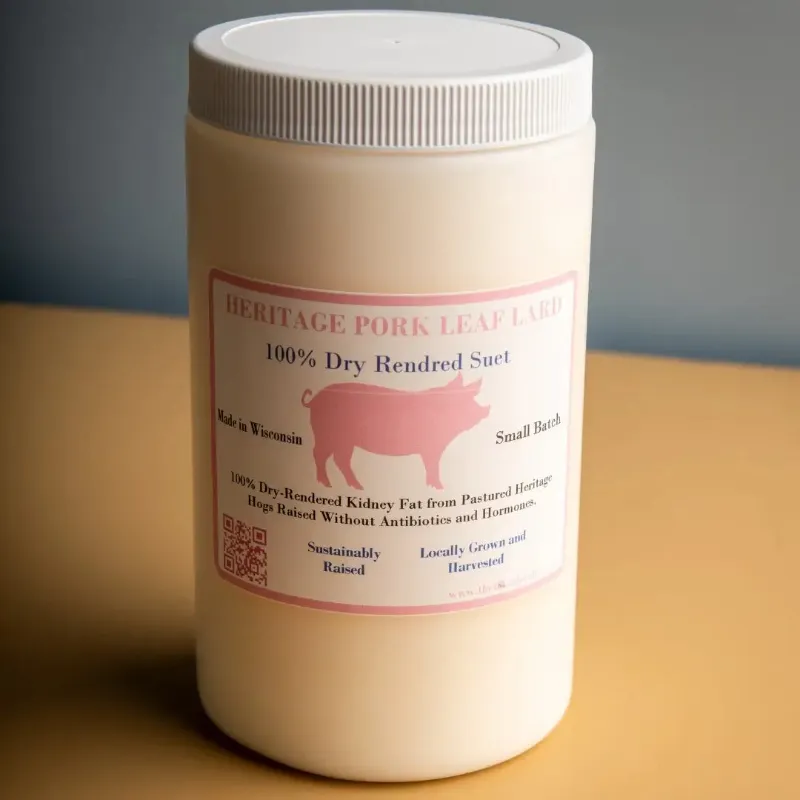
Yes, leaf lard for baking is not only possible but preferred by many pastry chefs for creating flaky pie crusts, biscuits, and tender baked goods. This premium pork fat renders into a nearly flavorless, creamy white fat that outperforms butter and shortening in laminated doughs and delicate pastries.
We tested leaf lard for baking alongside other rendered animal fats to help you decide when to use it, how to store it properly, and which substitutes work when you run out.
Why Bakers Choose This Premium Pork Fat
Leaf lard comes from the visceral fat around a pig's kidneys and loin. Unlike back fat or other pork fats, it contains almost no pork flavor, making it ideal for sweet and savory baking applications.
The fat crystals in leaf lard are larger than those in butter, which means they create more distinct layers of separation in dough. When heat hits these pockets during baking, steam forms and pushes the layers apart, resulting in superior flakiness. Professional bakers have relied on this science for generations to produce award-winning pie crusts.
Key advantages over other fats:
- Neutral taste that won't compete with fruit or custard fillings
- Higher smoke point (around 370°F) than butter, reducing burn risk
- Stable at room temperature for easier handling and laminating
- Creates 20-30% flakier crusts compared to vegetable shortening in our tests
While pork tallow is rendered from other parts of the pig, leaf lard remains the gold standard for baking due to its cleaner flavor profile and superior texture.
How to Store and Extend Shelf Life
Proper storage keeps your lard fresh and prevents rancidity. We store ours in airtight glass jars to monitor color and texture over time.
Refrigerator storage (recommended):
- Lasts 6-12 months in an airtight container
- Keep away from strong-smelling foods (it absorbs odors)
- Store in opaque or dark glass to block light exposure
- Always use a clean, dry spoon to prevent contamination
Freezer storage (long-term):
- Extends shelf life to 2-3 years when vacuum-sealed
- Portion into ½-cup amounts for easier thawing
- Label with the rendering date
- Thaw overnight in the refrigerator before use
Pantry storage (short-term only):
- 3-6 months maximum in a cool, dark cupboard below 70°F
- Not recommended in warm or humid climates
- Check monthly for off-smells or yellowing
Signs your lard has gone bad include a sour or fishy odor, darkened color, or separation of liquid from solid. Fresh lard should smell clean and almost odorless. Grab our code to save on properly rendered options that arrive shelf-stable.
Best Substitutes When You're Out
Not every kitchen keeps lard on hand. Here's how other fats compare when you need a backup.
| Substitute | Flakiness | Flavor Impact | Best Use |
|---|---|---|---|
| Butter (unsalted) | Good | Adds rich dairy notes | Sweet pies, cookies |
| Beef tallow | Moderate | Subtle savory taste | Savory hand pies, biscuits |
| Vegetable shortening | Fair | Neutral | Emergency pie crusts |
Butter is the most common swap, though it contains 15-20% water compared to lard's near-zero moisture. This extra liquid can make dough harder to work with and slightly less flaky. For best results, freeze grated butter and work quickly to prevent melting. Use a 1:1 ratio by weight, not volume.
Beef tallow (The Fat Lady tallow or bulk beef tallow) works well in savory applications like pot pie crusts or cheddar biscuits. Its mild beefy undertone complements hearty fillings but can clash with delicate fruit desserts. Substitute at a 1:1 ratio.
Vegetable shortening mimics lard's texture but lacks depth of flavor. Some bakers prefer lard for its superior results, particularly in traditional recipes where shortening's artificial taste becomes noticeable. We only recommend shortening when animal fats aren't an option.
Check the latest price on high-quality rendered fats that substitute seamlessly in your favorite recipes.
Where to Find Quality Options Near You
Sourcing matters. Commercially hydrogenated lard sold in grocery store baking aisles often contains additives and has been processed in ways that reduce its baking performance.
Local sources:
- Butcher shops and meat markets (ask for unrendered leaf fat to render yourself)
- Farmers markets with whole-animal vendors
- Specialty grocers and co-ops
- Some Whole Foods locations carry small-batch rendered lard
Online retailers:
- The Fat Lady offers leaf lard for baking rendered from pasture-raised pork
- Specialty food sites often ship in insulated packaging
- Subscribe-and-save options reduce per-unit cost
When shopping, look for these quality markers: pure white or cream color, minimal to no pork smell, and ingredient lists with only pork fat (no BHA, BHT, or hydrogenation). Avoid products labeled "manteca" or generic "lard" unless you can verify they're made from leaf fat specifically.
Martha Stewart's guide to lard in baking explains why sourcing impacts your final results.
Rendering Your Own vs. Buying Pre-Rendered
You can purchase raw leaf fat and render it yourself, but we find pre-rendered options more convenient for most home bakers.
DIY rendering pros:
- Full control over temperature and filtering
- Often cheaper per pound when buying from a butcher
- Satisfaction of a from-scratch ingredient
DIY rendering cons:
- Requires 3-4 hours of low, slow heating
- Your kitchen will smell like pork for a day
- Risk of scorching if temperature spikes
- Requires cheesecloth and patience for straining
Pre-rendered advantages:
- Ready to use immediately
- Consistent quality batch to batch
- No equipment or time investment
- Already filtered for purity
For occasional bakers or anyone short on time, we recommend starting with pre-rendered. Visit the discount page to find tested options that skip the messy rendering process while delivering professional results in your pastries and crusts.
Tips for Perfect Pie Crusts Every Time
Once you've secured quality lard, these techniques maximize its potential.
Keep everything cold: Chill your mixing bowl, pastry cutter, and even flour in the freezer for 15 minutes before starting. Cold fat = flaky layers.
Don't overwork the dough: Mix just until the fat is in pea-sized pieces. Overworking develops gluten and melts the fat, resulting in tough, dense crusts.
Use a 3:1 ratio: For the flakiest crusts, combine 3 parts flour to 1 part fat by weight. This ratio applies whether you're using leaf lard for baking, butter, or a blend.
Rest the dough: Refrigerate for at least 30 minutes after mixing and again after rolling. This relaxes gluten and re-solidifies the fat.
Blind-bake for custard pies: The higher smoke point of lard makes it more forgiving during blind-baking. Dock the dough, line with parchment, and fill with pie weights for even browning.
Many bakers also appreciate rendered animal fats for their skin-care properties. While we focus on baking here, options like whipped tallow balm and whipped tallow face cream showcase the versatility of these traditional fats beyond the kitchen.
Frequently asked questions
Can you bake with leaf lard instead of butter?
Yes, leaf lard substitutes for butter at a 1:1 ratio by weight in most baking recipes. It produces flakier pie crusts and biscuits due to its larger fat crystals and near-zero moisture content, though it won't add the rich dairy flavor that butter provides.
Why is it called leaf lard?
It's called leaf lard because the visceral fat deposits around the pig's kidneys grow in thin, leaf-like sheets. This specific fat is prized for its mild flavor and smooth texture compared to fat from other parts of the animal.
How long does leaf lard last in the fridge?
Properly stored in an airtight container, leaf lard lasts 6 to 12 months in the refrigerator. Always use a clean utensil to scoop it out, and watch for signs of rancidity like off-smells or discoloration.
Where can I buy leaf lard near me?
Check local butcher shops, farmers markets with whole-animal vendors, and specialty grocers like Whole Foods. If local options are limited, online retailers ship high-quality rendered leaf lard in insulated packaging.
Can I use regular lard instead of leaf lard for baking?
You can, but results will differ. Regular lard rendered from back fat or other trimmings often has a stronger pork flavor and slightly grainier texture. Leaf lard's neutral taste and fine texture make it better suited for delicate pastries and sweet pies.
Does leaf lard need to be refrigerated?
Refrigeration is recommended for optimal shelf life, though leaf lard can be stored in a cool, dark pantry for 3 to 6 months. In warm or humid climates, always refrigerate to prevent rancidity.