
Can You Wear Barefoot Tennis Shoes for Running and Court Sports?

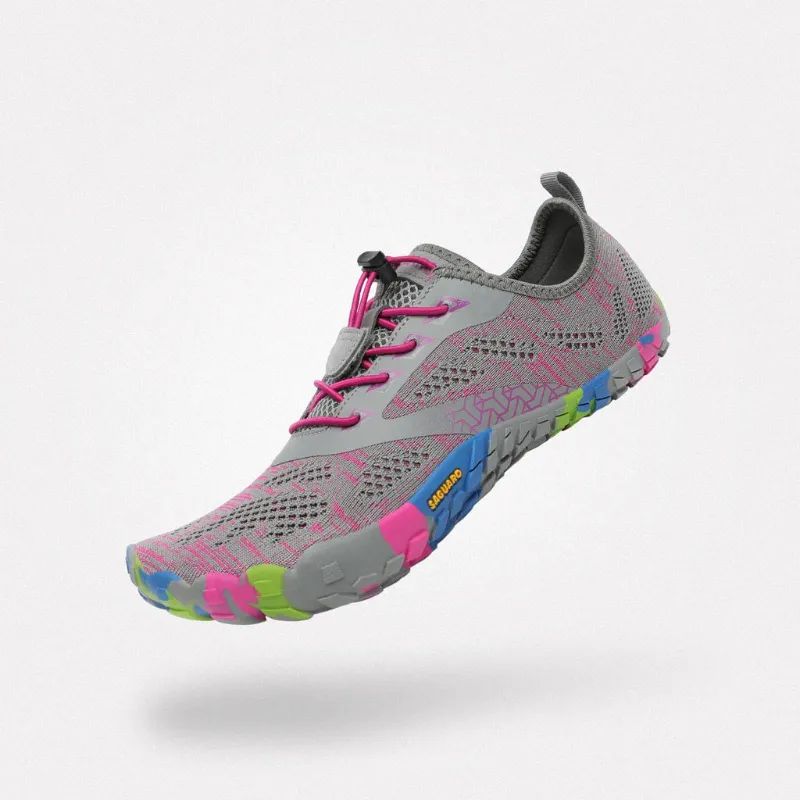
Yes, you can wear barefoot tennis shoes for running and court sports, but performance depends on the sole pattern, upper stability, and your foot strength. We tested several zero-drop models to see which features matter most when you take minimalist footwear onto the track or tennis court.
What Makes Barefoot Tennis Shoes Different from Traditional Athletic Shoes
Barefoot tennis shoes eliminate the cushioned heel found in conventional running and court shoes. Instead, they feature a zero-drop platform that keeps your heel and forefoot at the same height, mimicking natural barefoot mechanics. The wide toe box lets your toes splay for better balance, while the thin sole (typically 4 to 8 mm) gives you ground feel that helps with proprioception during lateral movements.
Traditional tennis shoes stack 10 to 15 mm of foam under the heel and lock your toes into a tapered box. That cushioning absorbs some impact but can reduce stability during quick pivots. Barefoot shoes trade impact absorption for sensory feedback, so your feet and ankles do more of the stabilization work.
Running in Barefoot Tennis Shoes: What You Need to Know
Most barefoot shoes handle running well if the outsole offers enough protection for pavement or trail debris. Look for models with a durable rubber compound and slight tread pattern. Completely flat soles work for short distances, but textured patterns improve grip on wet surfaces and uneven terrain.
Your stride will change when you switch from traditional running shoes. Expect to land more on your midfoot or forefoot rather than heel-striking. This shift reduces impact on your knees but increases demand on your calves and Achilles tendons. We recommend starting with 10 to 15 minute runs and adding five minutes per week to let connective tissue adapt.
Many runners find women's barefoot shoes or unisex models work equally well for road running and gym cardio. The key is a snug midfoot that prevents sliding during toe-off. If you want current pricing on performance-focused styles, check the latest offers before you buy.
Court Sports Performance: Traction and Lateral Support
Tennis, pickleball, and basketball demand quick side-to-side cuts that test any shoe's grip and upper structure. Barefoot tennis shoes can handle these movements if the outsole has a multidirectional tread pattern and the upper wraps snugly around your midfoot.
Key features for court use:
- Flat, wide outsole that maximizes ground contact during lateral lunges
- Non-marking rubber required for indoor courts
- Flexible upper that moves with your foot but does not collapse inward
- Secure lacing or strap system to lock your heel in place
We found that models designed for cross-training or gym use often perform better on court than pure running styles. Barefoot shoes labeled for multi-sport typically add a bit more toe protection and reinforced sidewalls. Some athletes prefer the ankle freedom of low-cut designs, while others want the wrap of a mid-top for explosive stops.
For insights on which barefoot styles suit basketball and similar sports, Barefoot Basketball & Court Shoes covers sole thickness and traction patterns in detail.
Best Barefoot Shoes for Gym and Everyday Athletic Use
If you split time between running, lifting, and court sports, an all-purpose barefoot shoe saves you from swapping pairs. The best barefoot shoes for gym workouts combine a stable platform for squats with enough flex for box jumps and sprints.
| Feature | Running Priority | Court Priority | Gym Priority |
|---|---|---|---|
| Sole thickness | 5–8 mm for debris protection | 4–6 mm for ground feel | 4–5 mm for lifting stability |
| Tread pattern | Forward-directional lugs | Multidirectional herringbone | Flat or minimal for balance |
| Upper fit | Snug midfoot, roomy toe | Locked heel, flexible forefoot | Breathable, no pressure points |
Lorax Pro barefoot shoes and similar training-focused models often hit the sweet spot with a 5 mm sole, herringbone outsole, and reinforced toe cap. These designs handle rope climbs, agility drills, and short runs without compromising ground feedback. Yoga shoes work well for mat-based training and balance work but usually lack the durability for outdoor running or hard-court abrasion.
Sizing and Fit Considerations for Athletic Barefoot Shoes
Barefoot tennis shoes run wider and often longer than conventional athletic shoes. Measure both feet while standing, then add 0.5 to 1 cm of space beyond your longest toe. Your toes should never touch the front of the shoe during a lunge or downhill run.
Most brands size in full sizes only, so if you fall between measurements, choose the larger size and use the lacing to snug the midfoot. A too-tight barefoot shoe defeats the purpose by compressing your forefoot, while a loose fit causes blisters during lateral slides.
Sock thickness matters more in thin-soled shoes. A cushioned running sock can reduce ground feel, while a toe-sock or thin liner preserves proprioception. We tested both and found that a moisture-wicking liner sock works best for court sports, where quick direction changes generate more friction than steady-state running.
If you are shopping across multiple styles, grab the latest discount code to compare fit without breaking your budget.
Transitioning Safely to Barefoot Tennis Shoes
Switching from traditional athletic shoes to barefoot tennis shoes stresses muscles and tendons that conventional cushioning normally supports. Plan a six to eight week transition even if you already walk in minimalist footwear.
Week-by-week progression:
- Weeks 1–2: Wear barefoot shoes for warm-ups and cool-downs only (10–15 minutes)
- Weeks 3–4: Add one short run or light court session per week (20–25 minutes)
- Weeks 5–6: Increase to two barefoot sessions, keeping intensity moderate
- Weeks 7–8: Full athletic use if you have no pain in calves, Achilles, or foot arches
Listen for sharp pain in your plantar fascia or Achilles tendon. Soreness in your calves is normal during adaptation, but stabbing or burning sensations mean you are progressing too fast. Cross-training with water shoes for pool running or aqua shoes childrens for younger athletes can reduce impact while you build foot strength.
For a broader look at which barefoot styles suit different activities, 9 Best Barefoot Shoes for Healthy Feet: Expert-Tested includes lab-tested ratings for durability and ground feel.
When Barefoot Tennis Shoes May Not Be the Best Choice
Barefoot footwear is not ideal for every athlete or surface. If you have a history of stress fractures, severe plantar fasciitis, or Achilles tendinopathy, work with a physical therapist before transitioning. Hard surfaces like concrete and asphalt demand more adaptation time than rubberized tracks or gym floors.
High-impact sports such as running on pavement or playing on outdoor hard courts also increase injury risk during the early transition. We recommend keeping a pair of traditional cushioned shoes for long runs or tournament play until your feet fully adapt. Zero drop boots offer a middle ground for hiking and casual wear, letting you build foot strength without the thin sole of a true barefoot shoe.
Some athletes find that barefoot loafers or barefoot dress shoes work better for everyday use, reserving sport-specific cushioned shoes for high-intensity sessions. There is no single right answer; the best approach depends on your training volume, injury history, and personal comfort.
Our Take on Barefoot Tennis Shoes for Multi-Sport Use
Barefoot tennis shoes deliver excellent proprioception and natural foot mechanics, making them a strong choice for runners and court athletes who want to strengthen intrinsic foot muscles. The wide toe box and zero-drop platform improve balance during lateral movements, though the thin sole requires a gradual transition to avoid overuse injuries.
We have seen the best results with cross-training models that balance flexibility for running with traction for quick pivots. If you split your time between the track and the court, look for a herringbone or multidirectional outsole, a snug midfoot lock, and at least 5 mm of sole thickness for durability. Start slowly, respect the adaptation timeline, and check current offers to find a pair that fits your training style and budget.
Frequently asked questions
Can barefoot tennis shoes replace my regular running shoes?
Barefoot tennis shoes can replace traditional running shoes once your feet and lower legs adapt to the zero-drop platform. Plan a six to eight week transition with gradual mileage increases to avoid Achilles or calf strain.
Do barefoot shoes provide enough traction for indoor court sports?
Yes, if the outsole has a multidirectional tread pattern and non-marking rubber. Flat or minimal tread designs work for lifting but can slip during quick lateral cuts on polished gym floors.
How long does it take to adjust to barefoot tennis shoes?
Most athletes need six to eight weeks of gradual wear to build foot and lower leg strength. Start with 10 to 15 minute sessions and add time each week, watching for sharp pain in your Achilles or plantar fascia.
Are barefoot tennis shoes good for people with flat feet?
They can be, but transition slowly. Barefoot shoes strengthen the muscles that support your arch, which may improve flat feet over time. If you have pain, consult a physical therapist before switching fully.
What is the difference between barefoot shoes and minimalist running shoes?
Barefoot shoes have a zero-drop platform, wide toe box, and soles under 8 mm. Minimalist running shoes may have a small heel-to-toe drop (4 mm) and slightly more cushioning while still promoting natural foot movement.
Can I wear the same barefoot shoes for tennis and running?
Yes, if the shoe has a durable outsole with multidirectional tread and a secure midfoot fit. Cross-training models perform well for both activities, though dedicated court shoes may offer better lateral support.