
What to Look for When Buying Water Shoes and Aqua Shoes for Kids

What to Look for When Buying Water Shoes and Aqua Shoes for Kids
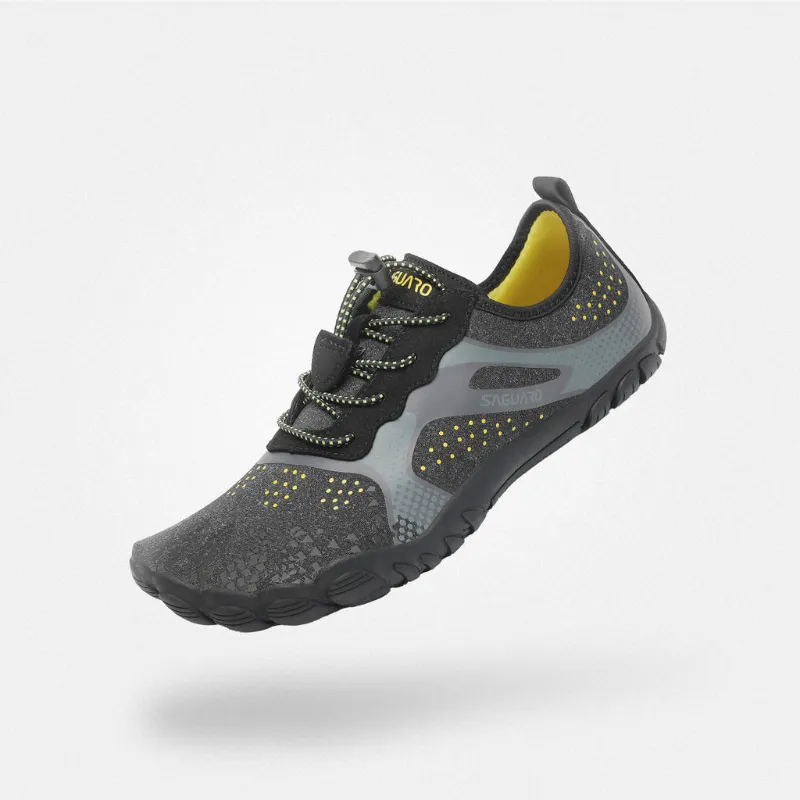
Water shoes protect your child's feet from hot sand, sharp rocks, and slippery pool decks while drying fast enough to wear all day. We tested dozens of styles to identify the features that matter most: drainage, sole grip, toe protection, and a snug fit that stays on in waves. Whether you need aqua shoes childrens for the beach or water shoes for creek hikes, the right pair balances protection with barefoot flexibility.
Quick-Dry Materials and Drainage Ports
The best water shoes for swimming dry in minutes, not hours. Look for uppers made from breathable mesh, neoprene, or perforated synthetic fabric. Solid rubber shoes trap water and cause blisters, while mesh drains instantly and prevents that swampy feeling.
Drainage ports in the sole let water escape with every step. We prefer designs with multiple small holes rather than one large opening, since kids often step on pebbles that lodge in bigger ports. The mesh should be tight enough to keep out sand but open enough to release water when your child lifts their foot.
Neoprene offers more warmth for cold lake water, but it takes longer to dry than open mesh. For warm-weather play and quick transitions from water to land, choose a lightweight mesh design. You can grab the code for 10% off if you are shopping multiple pairs for the season.
Sole Grip and Traction for Wet Surfaces
A rubber outsole with deep lugs or multidirectional treads prevents slips on wet rocks, boat ramps, and pool tile. Flat soles work fine for sandy beaches but fail on algae-covered stones or smooth concrete.
We recommend soles that wrap slightly up the toe and heel for extra protection against stubbed toes and rocky terrain. Thicker soles (4 to 6 mm) shield feet from sharp shells and hot pavement, while thinner barefoot-style soles (2 to 3 mm) let kids feel the ground for better balance. Many families prefer barefoot shoes that offer zero-drop flexibility with just enough cushion for all-day wear.
Test the sole by bending it in your hands. It should flex at the ball of the foot but resist twisting. A sole that folds in half too easily offers no structure, while an overly stiff sole restricts natural movement.
Secure Fit: Adjustable Closures and Toe Protection
Water shoes must stay on through waves, jumping, and running without causing blisters. Elastic laces, hook-and-loop straps, or toggle closures let you dial in a snug fit that accommodates swelling feet after hours in the water.
Avoid slip-on styles with no adjustment for active kids. They slide off in deep water or bunch up uncomfortably when wet. A heel pull tab makes it easier to get shoes on over damp feet, and a closed-toe design protects against rocks, jellyfish, and submerged debris.
Look for seamless or flat-seam construction inside the shoe. Raised seams rub raw spots when sand gets trapped between fabric and skin. The Wirecutter testing team emphasizes comfort after extended wear, which means smooth interiors and no pressure points across the top of the foot.
Sizing and Barefoot-Friendly Design
Kids' feet grow fast, but water shoes should fit snugly now rather than a size up. A loose shoe fills with water and creates drag, plus it rubs blisters on the heel. Measure your child's foot in the afternoon when it is slightly swollen, then compare it to the brand's size chart. Most water shoes run true to size, though barefoot styles often need a thumb's width of space in the toe box for natural splay.
Barefoot-friendly designs feature a wide toe box, zero heel-to-toe drop, and minimal cushioning. These let kids build foot strength and balance while still protecting against hazards. If your child already wears barefoot shoes on land, a barefoot water shoe feels familiar and allows the same natural gait. You can compare popular barefoot options and check the latest price for multi-pair discounts.
Some brands label their shoes as "aqua shoes" or "swim shoes," but the construction is identical to water shoes. The key difference is marketing, not function. Focus on the material, sole, and fit rather than the name on the tag.
Age-Appropriate Features: Toddlers vs. Older Kids
Toddlers need maximum toe protection and easy-on closures, since they are more likely to trip on uneven rocks and less able to adjust their own shoes. Look for a reinforced rubber toe cap and a wide opening with a hook-and-loop strap or elastic that stretches over the foot. Bright colors help you spot a wandering toddler on a crowded beach.
Older kids prioritize style and performance. They want shoes that look less "babyish," often preferring neutral colors or patterns similar to what they see in athletic footwear. Older children also benefit from more aggressive tread if they are hiking rocky trails or exploring tide pools. Outdoor Gear Lab ranks shoes by traction, comfort, and durability across different age groups and activity levels.
Teenagers who spend hours in the water appreciate features from adult water shoes women rely on: arch support, faster drying times, and a sleeker profile that transitions from water to casual wear. Some families find crossover styles like breeze shoes work for both water play and everyday summer activities.
When to Replace and How to Care for Water Shoes
Replace water shoes when the sole tread wears smooth, the upper fabric develops holes, or the fit becomes too tight. Most kids outgrow a pair in one season, though durable construction can last through hand-me-downs if you rinse and dry them properly after each use.
Rinse water shoes in fresh water immediately after use to remove salt, chlorine, and sand. Squeeze out excess water, then air-dry them in a shaded, ventilated spot. Direct sunlight degrades neoprene and fades colors, while damp shoes left in a bag grow mold and smell.
For stubborn odors, hand-wash with mild soap and water, then soak in a solution of one part white vinegar to four parts water for 15 minutes. Machine washing is possible for some mesh styles, but it shortens the lifespan of glued seams and elastic components. Always check the care label first.
Store clean, dry water shoes in a mesh bag or open bin so air circulates. Sealed plastic bags trap moisture and create a breeding ground for bacteria. If you are shopping for next season or need multiple pairs for camp and vacations, visit our discount page to save on bulk orders.
Quick Comparison: Features by Activity Type
| Activity | Sole Thickness | Closure Type | Key Feature |
|---|---|---|---|
| Beach & pool | Thin (2-3 mm) | Elastic or slip-on | Fast drainage |
| Rocky streams | Thick (5-6 mm) | Adjustable strap | Toe protection |
| Boat & dock | Medium (3-4 mm) | Toggle or lace | Non-marking sole |
| All-day wear | Barefoot zero-drop | Hook-and-loop | Wide toe box |
The right pair depends on where your child spends the most time. For families who split time between sand and rocks, a medium-sole design with adjustable closures covers the widest range of conditions without needing multiple pairs.
Frequently asked questions
Can kids wear water shoes for swimming in a pool?
Yes, water shoes work well for pool swimming if the facility allows footwear. Choose a lightweight mesh design that drains instantly and has a non-marking sole to avoid scuffing the pool deck.
How do I know if aqua shoes fit my child correctly?
The shoe should feel snug across the midfoot with no heel slippage, and your child should have about a thumb's width of space in front of the longest toe. A proper fit stays on during active play without rubbing blisters.
Are barefoot water shoes better for kids than regular water shoes?
Barefoot water shoes promote natural foot development and better ground feel, but they offer less cushioning on sharp rocks. They work best for kids already accustomed to barefoot footwear or on softer surfaces like sand and grass.
How often should I replace my child's water shoes?
Replace water shoes when the sole tread wears smooth, the upper fabric tears, or your child outgrows them. Most kids need a new pair each season due to rapid foot growth.
Can water shoes be worn all day or just in the water?
Quality water shoes dry fast enough to wear all day, transitioning from water to land without discomfort. Look for breathable mesh uppers and a comfortable footbed if your child will wear them for hours at a time.
Do I need different water shoes for toddlers versus older kids?
Toddlers need extra toe protection, easy-on closures, and bright colors for visibility. Older kids prioritize style, aggressive tread for varied terrain, and features similar to athletic shoes.