
How Long Do Zero Drop Boots Last With Daily Wear?

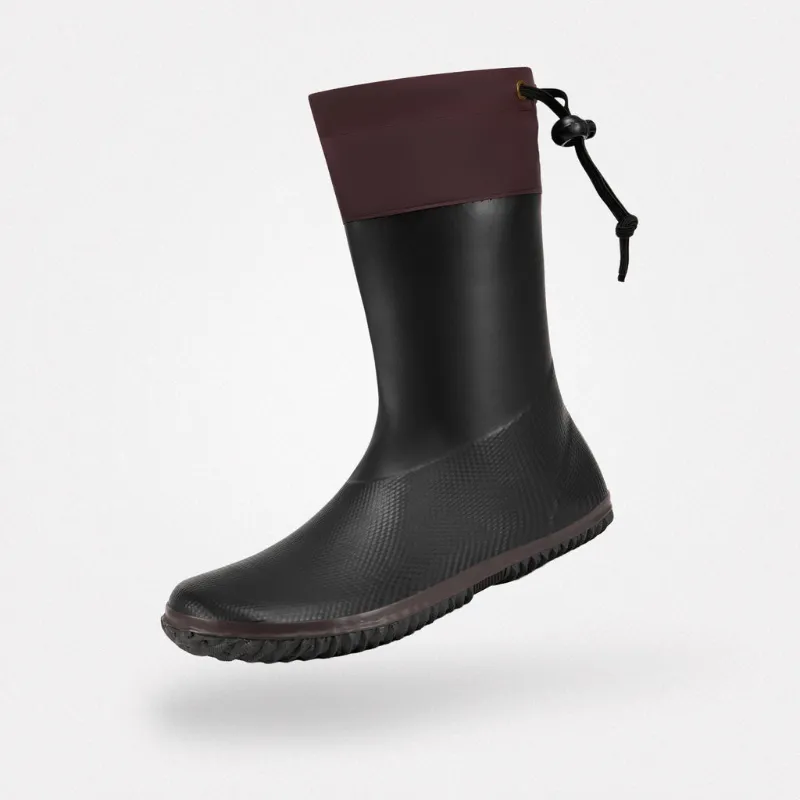
How Long Do Zero Drop Boots Last With Daily Wear?
Zero drop boots typically last 12 to 36 months with daily wear, depending on construction quality, materials, and maintenance habits. We've tested dozens of barefoot shoes and boots over the past few years, and the lifespan varies widely based on whether you're wearing synthetic trail boots, leather work boots, or lightweight minimalist designs. Most quality pairs deliver 300 to 600 miles of comfortable use before the sole or upper shows significant wear.
The zero drop platform itself does not shorten lifespan. What matters is sole thickness, upper material, stitching quality, and how you care for them. A well-maintained pair of zero drop boots can outlast conventional boots if you rotate wear and address small issues early.
What Affects Zero Drop Boot Durability
Several factors determine how long your boots hold up under daily use:
- Sole material – Rubber compounds vary in hardness and grip. Softer trail soles wear faster on pavement, while harder soles last longer but sacrifice traction on wet surfaces.
- Upper construction – Full-grain leather typically outlasts synthetic mesh or knit uppers. Reinforced toe caps and heel counters extend life in high-wear zones.
- Stitching vs. glue – Stitched soles can be resoled by a cobbler; glued soles are disposable once worn through.
- Terrain – Concrete and asphalt are far more abrasive than dirt trails or indoor floors. Daily urban commuting wears soles 2x faster than trail use.
- Foot mechanics – Heavy heel strikers (even in zero drop boots) wear down heels quickly. Midfoot and forefoot strikers distribute wear more evenly.
- Rotation – Wearing the same pair every day compresses midsole foam and prevents materials from drying out. Rotating two pairs doubles total lifespan.
We recommend checking your boots every 100 miles or three months for sole thinning, upper tears, and insole breakdown. Early repairs cost less than replacements.
Expected Lifespan By Boot Type
Different zero drop boot styles deliver different mileage. Here's what we see in real-world testing:
| Boot Type | Typical Lifespan | Best For |
|---|---|---|
| Leather work boots | 24–36 months | Jobsites, outdoor labor, winter commuting |
| Trail hiking boots | 18–30 months | Mixed terrain, backpacking, moderate daily use |
| Synthetic minimalist boots | 12–24 months | Casual wear, light hiking, urban walking |
| Canvas or knit boots | 9–18 months | Indoor/outdoor casual, warmer climates |
Leather options like those from Texarado Boots often last longest because full-grain leather resists abrasion and can be reconditioned with oils and waxes. Synthetic boots are lighter and dry faster but rarely survive more than two years of hard daily wear.
For women seeking durable options, many women's barefoot shoes and boot models now use the same materials as men's versions, so lifespan depends on build quality rather than gender sizing. Look for reinforced eyelets, double-stitched seams, and replaceable insoles.
How To Extend The Life Of Your Zero Drop Boots
Proper care adds months or even a full year to your boots:
- Rotate pairs – Alternate between two pairs to let materials decompress and dry fully between wears.
- Clean regularly – Remove dirt and salt after each wear. Mud left to dry cracks leather and degrades stitching.
- Condition leather – Apply leather conditioner every 4 to 6 weeks to prevent cracking and water damage.
- Dry naturally – Never use direct heat. Stuff with newspaper and air-dry at room temperature.
- Replace insoles early – Worn insoles compress and lose support. Swap them at the halfway point to extend upper and sole life.
- Address damage immediately – Re-glue delaminating soles, patch small tears, and replace laces before they snap.
If you wear your boots in wet conditions frequently, consider pairing them with a rainproof shoe for rainy days to reduce moisture exposure. Water accelerates material breakdown, especially in glued seams.
Check the latest pricing and grab our discount code to save 10% on your next pair.
Signs Your Zero Drop Boots Need Replacement
Even with great care, all boots eventually wear out. Replace yours when you notice:
- Sole thinning below 3mm – You'll feel rocks and texture through the sole. Ground feel is good; ground pain is not.
- Exposed midsole or footbed – Once the outsole wears through, water and debris enter the boot.
- Upper tears or separation – Small holes can be patched, but large tears compromise structure and waterproofing.
- Lost ankle support – If the collar or upper slouches and no longer holds your ankle, stability suffers.
- Persistent odor or mold – This signals material breakdown inside the boot that cleaning cannot reverse.
For safety-critical applications, zero drop safety shoes and work boots should be replaced more frequently to maintain toe protection and slip resistance. Most jobsite footwear guidelines recommend replacement every 12 to 18 months regardless of visible wear.
Comparing Lifespan To Traditional Boots
Zero drop boots last roughly the same duration as conventional boots of similar construction. The flat sole does not inherently weaken durability. In fact, because there's no elevated heel wedge to compress, many zero drop designs maintain their original geometry longer.
We've found that barefoot loafers and casual barefoot dress shoes often outlast their conventional counterparts in office settings because the flexible sole reduces cracking at the ball of the foot. For active outdoor use, both zero drop and traditional boots see similar wear patterns, with sole abrasion and upper fatigue as the primary failure modes.
If you're transitioning from traditional footwear, expect a break-in period as your feet adapt. During this phase, rotating between zero drop boots and other minimalist styles like breeze shoes for lighter days can ease the transition and reduce early wear from improper gait.
Getting The Most Miles From Your Investment
Quality zero drop boots represent a significant investment, often costing more upfront than conventional boots. To maximize value:
- Buy for your primary use case – Trail boots for hiking, work boots for jobsites, casual boots for urban wear. A single pair rarely excels at everything.
- Size for thick socks – If you plan to wear winter socks, size up slightly. Tight boots wear faster and cause discomfort.
- Look for wide toe box designs – Zero drop boots with a wide toe box reduce pressure points that accelerate upper breakdown and improve long-term comfort.
- Check warranty terms – Some manufacturers offer 6 to 12-month defect warranties. Register your purchase and document any issues early.
Visit our discount page to access current offers and save on your next pair. With proper selection and care, a well-made pair of zero drop boots will serve you reliably for years of daily wear.
Frequently asked questions
How many miles can I expect from zero drop boots?
Most quality zero drop boots deliver 300 to 600 miles of comfortable wear depending on materials, terrain, and maintenance. Leather work boots often reach the higher end, while lightweight synthetic models may wear faster on abrasive surfaces.
Do zero drop boots wear out faster than regular boots?
No, zero drop boots last about as long as conventional boots of similar construction. The flat sole does not reduce durability. Lifespan depends on materials, build quality, and how you care for them, not heel drop.
Can I resole zero drop boots to extend their life?
It depends on construction. Boots with stitched soles can often be resoled by a cobbler, adding another year or more of use. Glued soles are difficult to resole and usually require full replacement once worn through.
How often should I replace the insoles in my barefoot boots?
Replace insoles every 6 to 12 months or at the halfway point of your boot's expected lifespan. Fresh insoles improve comfort and support, reducing stress on the upper and extending overall boot life.
What are the first signs my zero drop boots are wearing out?
Watch for sole thinning below 3mm, exposed midsole material, upper tears or separation at seams, lost ankle support, and persistent odor. Any of these indicate it's time to repair or replace your boots.
Do leather zero drop boots last longer than synthetic ones?
Yes, full-grain leather boots typically outlast synthetic models by 6 to 12 months with proper care. Leather resists abrasion better and can be reconditioned, while synthetic materials degrade faster under UV and moisture exposure.