
How to Care for a Bronze Watch: Patina Development and Maintenance

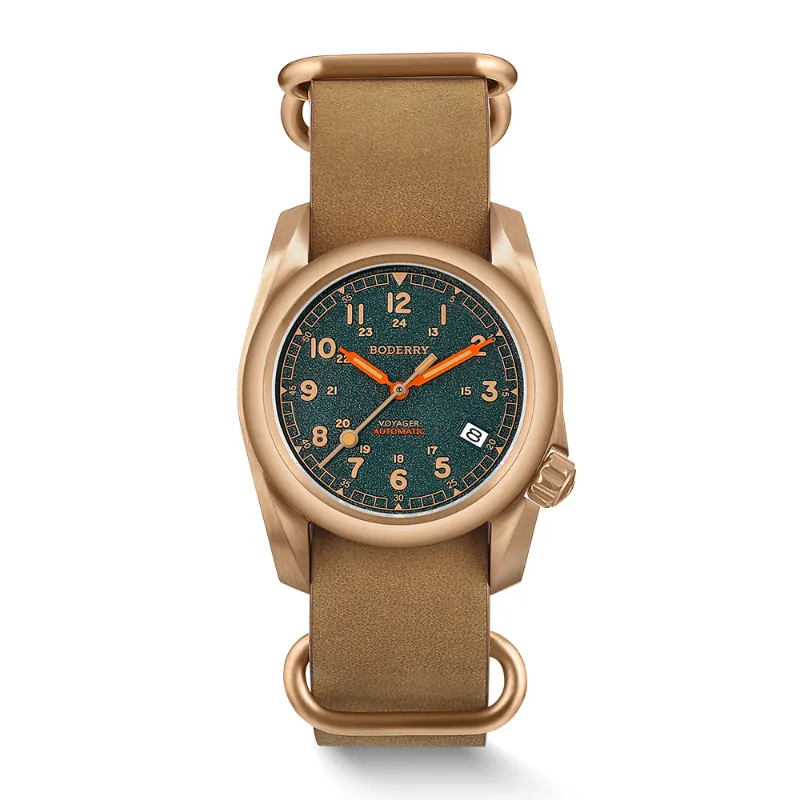
Understanding Bronze Watch Patina and What to Expect
A bronze watch develops a distinctive patina as the metal oxidizes, creating a one-of-a-kind finish that no other timepiece will replicate exactly. This natural aging process transforms the warm golden-bronze surface into darker brown, green, or even blue tones depending on your environment, skin chemistry, and how you wear it. Models like the bronze watch and turtle watch are designed to embrace this character-building oxidation, making each piece truly individual.
Bronze watches for men have surged in popularity precisely because of this living patina. Brands from Tudor to affordable options under $1000 now offer bronze cases that tell the story of your adventures through their evolving finish.
How Bronze Patina Develops Over Time
Bronze is a copper-tin alloy that reacts with oxygen, moisture, and oils from your skin. The oxidation process begins immediately but accelerates with exposure to:
- Saltwater and humidity – Coastal environments speed up patina development and often create greenish-blue tones
- Sweat and skin oils – Areas where the watch contacts your wrist will darken faster, creating natural wear patterns
- Air exposure – Even dry air causes gradual oxidation, though more slowly than humid conditions
- Chemicals – Lotions, cleaning products, and chlorine can create unexpected color variations
Real bronze watch cases on models like the boderry voyager typically show noticeable changes within weeks of daily wear. The patina starts as slight darkening along edges and contact points, then spreads across the entire case over months. Some owners prefer the aged look, while others maintain the original finish through regular polishing.
Cleaning and Maintaining Your Bronze Watch Case
You control how your bronze watch ages through your maintenance routine. For regular cleaning that preserves patina:
- Wipe the case with a soft, dry microfiber cloth after each wear to remove oils and moisture
- Use lukewarm water and mild soap on a damp cloth for deeper cleaning every few weeks
- Avoid harsh chemicals, ultrasonic cleaners, or abrasive materials that can scratch bronze
- Dry thoroughly with a clean cloth, paying attention to gaps around the bezel and lugs
- Remove the watch before swimming in chlorinated pools or using household cleaners
If you want to slow patina development, store your watch in a dry, airtight container with silica gel packets when not wearing it. This limits oxygen exposure between wears. Check the latest price on bronze models with protective coatings that slow oxidation while still allowing character to develop.
Removing or Restoring Bronze Patina When Desired
You can reverse patina and restore the original bronze finish whenever you choose. Several methods work effectively:
Lemon juice and salt method: Mix equal parts lemon juice and salt into a paste, apply with a soft cloth in circular motions, then rinse and dry completely. This removes oxidation within minutes.
Vinegar soak: For heavier patina, create a 50/50 mix of white vinegar and water. Dip a cloth and gently rub the case, avoiding gaskets and crystal. Rinse thoroughly.
Commercial bronze polish: Products like Brasso or Wright's Copper Cream work quickly but can be aggressive. Use sparingly with a soft applicator and buff to your desired shine.
Professional polishing: Watchmakers can restore bronze to factory condition, though this removes the unique patina story. Consider this for significant damage or if selling the watch.
After polishing, your bronze watch will immediately begin developing new patina. Many collectors cycle between polished and aged finishes seasonally. Affordable bronze watches under $1000 make this experimentation accessible without the anxiety of working with luxury pieces.
Protecting Water Resistance and Seals
Bronze case maintenance intersects with water resistance. When cleaning or polishing:
- Never remove the caseback yourself, as bronze dust can contaminate the movement
- Avoid getting moisture around the crown or pushers during cleaning
- Have gaskets tested annually if you regularly expose the watch to water
- Consider pairing bronze cases with FKM rubber straps that resist water and chemicals better than leather
The sea turtle ocean dive watch and similar models feature screw-down crowns that protect against moisture intrusion. Always ensure the crown is fully secured after setting the time, especially after cleaning around the case.
Strap Selection for Bronze Watch Cases
Your strap choice affects patina development and overall aesthetics. Bronze pairs beautifully with:
Leather straps: Vintage-style leather complements aged patina but absorbs moisture and oils that accelerate case oxidation where they meet. Expect faster patina development at the lug junction.
Rubber and silicone: FKM rubber straps are ideal for active wear and water exposure. They don't trap moisture against the bronze and clean easily, giving you more control over patina development.
NATO and textile: Nylon straps allow air circulation and dry quickly. They're practical for daily wear and won't compete visually with developing patina.
Metal bracelets: Some bronze watches offer matching bronze bracelets that age uniformly with the case, or you can contrast with titanium watche bracelets that stay consistent in appearance.
Grab the code for $10 off when building your bronze watch collection with complementary strap options that suit different wearing occasions.
Who Should Choose Bronze Over Other Watch Materials
Bronze watches suit collectors and wearers who appreciate evolving aesthetics and don't mind variation. This material works best for:
- Watch enthusiasts who enjoy the story their timepiece tells through visual changes
- Outdoor and diving watch collectors who want tool-watch heritage with character
- Buyers seeking unique pieces, since no two bronze watches age identically
- Owners comfortable with occasional maintenance to manage patina development
Bronze may not suit those who prefer consistent appearance or minimal maintenance. In those cases, consider alternatives like the baltany watche in stainless steel or titanium watche that resist oxidation. For vintage-inspired warmth without patina, the men rose gold watch offers similar tones with stable finish.
Better In Bronze collections from established brands and affordable bronze watches both require the same basic care. The patina development timeline and your control over it remain consistent regardless of price point. What matters most is embracing the living nature of bronze and deciding how you want your watch to age alongside you.
Frequently asked questions
How long does it take for a bronze watch to develop patina?
Visible patina typically appears within 2 to 4 weeks of daily wear, with significant color changes developing over 3 to 6 months. The exact timeline depends on your environment, skin chemistry, and how often you wear the watch. Coastal and humid climates accelerate the process considerably.
Can I stop my bronze watch from changing color?
You can slow patina development by storing the watch in an airtight container with silica gel when not wearing it, cleaning it regularly after wear, and keeping it away from moisture and chemicals. However, you cannot completely stop oxidation without a protective coating, which some manufacturers apply.
Will bronze patina damage my watch or affect its function?
No, patina is purely cosmetic oxidation on the case exterior and does not affect the movement, water resistance, or functionality. Bronze is highly corrosion-resistant, and the patina layer actually protects the underlying metal from deeper oxidation.
Is it safe to polish bronze watches at home?
Yes, home polishing with lemon juice and salt, vinegar solutions, or commercial bronze polish is safe for the case. Always avoid getting moisture near the crown or caseback seals, work gently with soft cloths, and rinse thoroughly. For deep scratches or case refinishing, consult a professional watchmaker.
Do bronze watches turn your wrist green?
Bronze can occasionally leave slight green marks on skin due to copper oxidation reacting with sweat and oils, especially in humid conditions. This is harmless and washes off easily. Regular cleaning of the caseback and allowing your wrist to breathe reduces this effect significantly.
What is the best strap for bronze watches?
FKM rubber straps offer the most practical performance, resisting moisture and chemicals while allowing easy cleaning. Leather provides vintage aesthetics that complement aged patina, while NATO straps offer breathability and quick-dry properties for active wear. Choose based on your wearing conditions and desired look.