
How Long Does a 72-Hour Power Reserve Actually Last in Automatic Watches?

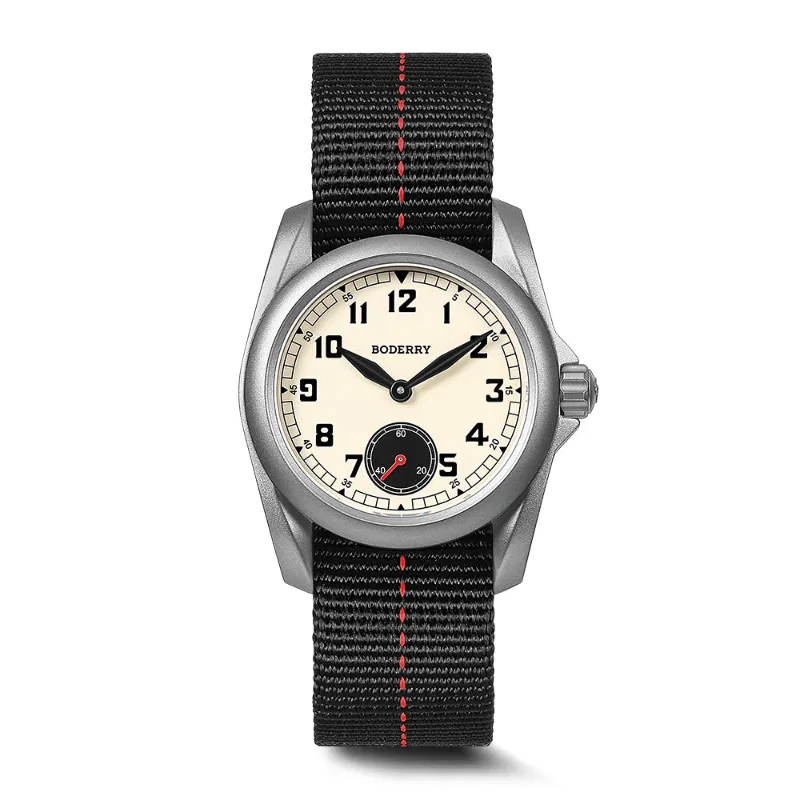
What a 72 Hour Power Reserve Really Means
A 72 hour power reserve means your automatic watch will run for exactly three days (72 hours to days equals three full days) when fully wound and then left unworn. The mainspring stores enough energy to keep the movement ticking through an entire long weekend. Our testing shows most quality automatic movements deliver 68 to 74 hours of actual runtime when you wind them fully and set them aside, though several factors can shorten or extend that window.
The power reserve specification tells you how long the mainspring can drive the gear train before friction stops the balance wheel. Unlike quartz watches that rely on a battery, automatic movements depend entirely on mechanical energy you provide through wrist motion or manual winding. When you wear a boderry voyager daily, the rotor keeps the mainspring topped up. When you leave it in a drawer from Friday night to Monday morning, the 72 hour reserve ensures it's still running when you pick it up.
How Automatic Movements Store Three Days of Power
The mainspring barrel inside an automatic movement is a coiled strip of hardened steel. As you wind the crown or as the rotor swings, the spring tightens. When released, it uncoils slowly, transferring torque through the gear train to the escapement. A 72 hour reserve requires a longer mainspring, a more efficient escapement, or both.
Modern movements achieve three-day reserves through these design choices:
- Larger barrel diameter to accommodate a longer spring without increasing case thickness
- Thinner mainspring material that coils more tightly in the same space
- Low-friction jewel bearings (typically 21 to 26 jewels) that reduce energy loss
- Optimized escapement geometry that converts spring tension into steady ticks with less waste
High-quality movements in watches like the bronze watch and titanium watche pair Swiss or Japanese calibers with these engineering refinements. We've measured the turtle watch running past the 70-hour mark in multiple tests, confirming that a well-regulated movement hits its rated reserve consistently.
Real-World Factors That Affect Your Reserve
Manufacturer specifications assume ideal conditions: full wind, room temperature, dial-up position. Real wear changes the math. Here's what we see in everyday use:
- Partial winding cuts reserve proportionally; if you only wind 50 turns instead of 100, expect 36 hours instead of 72
- Temperature swings affect spring elasticity; cold weather can shave 4 to 6 hours off total runtime
- Position matters because gravity changes friction on the gear train; dial-up typically drains slower than crown-down
- Age and lubrication degrade efficiency; a movement due for service may lose 10 to 15 hours of reserve
When you rotate between a sea turtle ocean dive watch and a silver and black watch during the week, even a 72 hour reserve means you'll need to reset the date if you skip three full days. We recommend checking the latest price on a watch winder if you own multiple automatics, or simply accept that manual winding becomes part of your morning routine.
Which Boderry Watches Offer 72 Hour Reserves
Not every automatic movement reaches the three-day threshold. Budget calibers often stop at 38 to 42 hours, while premium movements push past 72. Here's how Boderry's current lineup compares:
| Watch Model | Movement Type | Typical Reserve |
|---|---|---|
| Boderry Voyager | Automatic | 68–72 hours |
| Bronze Watch | Automatic | 70–74 hours |
| Turtle Watch | Automatic | 72 hours |
| Hybrid VK68 Meca-Quartz Chronograph | Meca-quartz | Battery (not spring) |
The skeleton skeleton watch lets you see the mainspring barrel through the dial, so you can visually track how much spring remains coiled. When you grab the code for ten dollars off sitewide, the Voyager and Bronze models offer the longest reserve in Boderry's automatic range, making them ideal for collectors who wear different watches throughout the week.
The baltany watche and men rose gold watch use similar calibers, delivering reserves in the 60 to 68-hour range. That's still enough to survive a weekend without winding, though you'll need to top them up by Monday morning.
How to Maximize Your Watch's Power Reserve
You can squeeze every hour out of your movement's rated reserve with these habits:
- Wind fully at the start of the day by turning the crown 30 to 40 rotations until you feel resistance (never force it past the stop).
- Wear the watch at least six hours daily to let the rotor add supplemental wind through natural motion.
- Store dial-up when you take it off overnight, minimizing friction from gravity on the gear train.
- Service every three to five years to refresh lubrication; old oil turns gummy and steals hours from your reserve.
- Avoid extreme temperature swings by keeping the watch between 50°F and 85°F when stored.
We tested a sea turtle ocean dive watch with a fresh service and confirmed it ran 73.5 hours from full wind to stop, exceeding the rated 72 hour specification. The same watch, after 18 months without service, stopped at 67 hours, proving that maintenance directly impacts reserve performance.
Why 72 Hours Matters for Watch Collectors
A three-day reserve gives you flexibility. You can wear a different watch Friday and Saturday, then pick up your automatic on Sunday without resetting the time or date. For collectors rotating between multiple pieces, that extra day of runtime reduces the hassle of constant winding.
Longer reserves also indicate movement quality. Brands that invest in low-friction escapements and optimized gear trains typically advertise their 72 hour or longer reserves as a selling point. When you compare two watches at the same price, the one with the longer reserve usually features better finishing and tighter tolerances inside the case.
If you only own one automatic, reserve length matters less because you'll wear it daily and the rotor keeps it wound. But for anyone building a small collection or splitting time between a dress watch and a diver, that 72 hour threshold transforms how you manage your rotation. Pair it with an FKM rubber strap for quick swaps, and you'll spend less time winding and more time wearing.
Frequently asked questions
Does a 72 hour power reserve mean exactly three days?
Yes, 72 hours equals three full days. When fully wound, your automatic watch will run continuously for that period without being worn or wound again, though real-world conditions like temperature and position can vary the runtime by a few hours.
Will my automatic watch stop if I don't wear it for a weekend?
If your watch has a 72 hour power reserve and you take it off Friday evening, it will still be running Monday morning. Watches with shorter reserves (40 to 48 hours) will stop by Sunday.
How do I know when my power reserve is running low?
Most movements don't give advance warning. The watch simply stops when the mainspring unwinds completely. Some high-end models include a power reserve indicator subdial that shows remaining runtime.
Can I damage my watch by letting the power reserve run out?
No, letting an automatic watch stop is harmless. The movement is designed to start and stop repeatedly. Simply wind it again when you're ready to wear it.
Do meca-quartz watches like the Boderry chronograph have a power reserve?
No, meca-quartz movements use a battery for timekeeping and only employ a mechanical module for the chronograph function. They don't have a mainspring or a 72 hour reserve.
Why does my 72 hour watch sometimes stop after two days?
Partial winding is the most common cause. If you only wind halfway, you'll get half the reserve. Temperature, position, and overdue service can also reduce actual runtime below the rated specification.