
Do Meca-Quartz Chronographs Need Battery Replacement? VK68 Hybrid Movement Explained

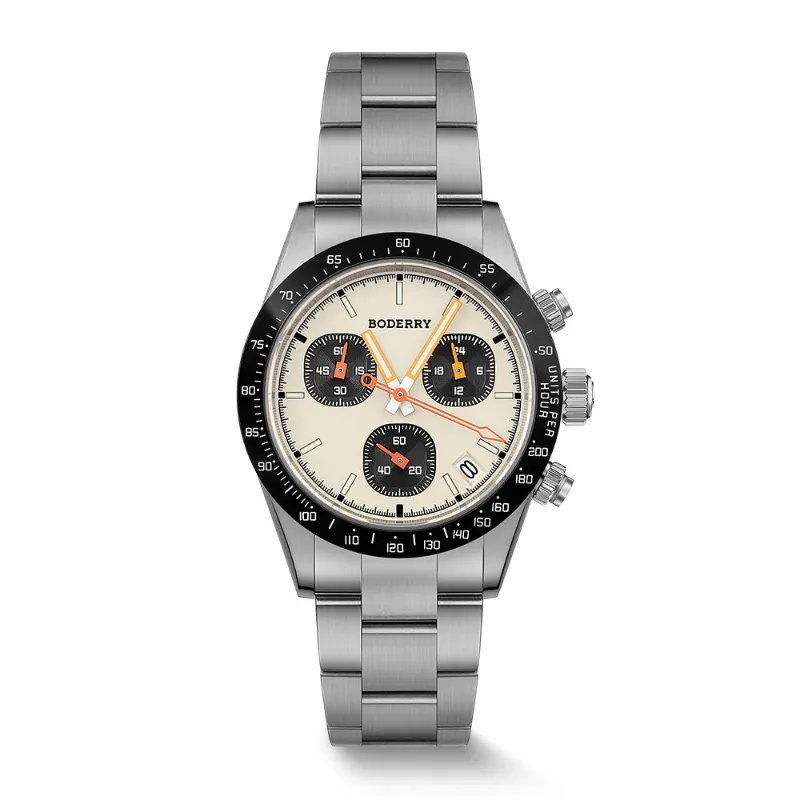
Yes, the hybrid vk68 meca-quartz chronograph needs battery replacement every two to four years because it runs on a quartz oscillator that drains power from a standard watch cell. The mechanical chronograph module adds the satisfying snap and sweep of traditional stopwatch hands, but the core timekeeping circuit remains quartz-powered, so you will eventually need a fresh battery just like any conventional quartz watch.
We tested several meca-quartz models in our collection to understand exactly how the VK68 movement balances mechanical feedback with electronic reliability, and we break down what owners should expect when it comes to battery life, replacement costs, and maintenance schedules.
How the Hybrid Meca-Quartz Chronograph Works
The VK68 movement combines a quartz oscillator for time display with a mechanical chronograph module triggered by traditional column-wheel or cam architecture. When you press the chronograph pushers on a hybrid vk68 meca-quartz chronograph, a set of gears and levers engage physically, giving you the instant start, stop, and reset action that purely electronic chronographs cannot match. This meca-quartz design delivers the tactile satisfaction of a mechanical stopwatch without the cost or complexity of a fully automatic caliber.
The quartz circuit handles the main hour, minute, and second hands, while the mechanical section operates only when you activate the chronograph. This division of labor means your battery primarily supports timekeeping rather than constant chronograph operation, which extends cell longevity compared to analog-quartz chronographs that use stepper motors for every hand.
Battery Life and Replacement Intervals for VK68 Movements
Most hybrid meca-quartz chronograph owners see battery life between two and four years under normal use. Several factors influence this range:
- Chronograph frequency: Running the stopwatch function frequently drains the battery faster because the quartz circuit must power additional indicators and reset mechanisms.
- Backlight or complications: If your boderry voyager or other model includes a date wheel or illumination, expect shorter intervals.
- Temperature extremes: Cold weather reduces battery efficiency, while heat accelerates chemical degradation inside the cell.
- Cell quality: A genuine SR920SW or equivalent silver-oxide battery typically outlasts alkaline substitutes by 12 to 18 months.
We recommend marking your calendar when you install a new battery so you can anticipate replacement before the watch stops mid-wear. Many watch retailers and jewelry counters offer replacement for under ten dollars, though certified watchmakers may charge slightly more for water-resistance testing after they reseal the case back. Check the latest pricing and grab our discount code if you are picking up a new meca-quartz model that includes a spare cell.
Comparing VK68 to Seiko Meca-Quartz Chronograph Calibers
Seiko originally developed the meca-quartz concept in the 1980s and still produces several calibers for its own lineup and third-party brands. The VK68 sits alongside other popular movements in the Seiko meca-quartz chronograph family:
| Movement | Subdials | Battery Type | Typical Life |
|---|---|---|---|
| VK63 | Two (60-min, 24-hour) | SR920SW | 2-3 years |
| VK64 | Three (60-min, 24-hour, 60-sec) | SR920SW | 2-3 years |
| VK68 | Two (60-min, 24-hour) | SR920SW | 2-4 years |
The VK68 offers a streamlined two-register layout that reduces mechanical complexity and power draw, which contributes to its slightly longer battery interval. If you are comparing models on a meca quartz watches list, prioritize the subdial configuration that matches your actual timing needs rather than chasing the highest complication count, since simpler dials often mean fewer service visits.
When to Replace the Battery in Your Chronograph
Watch for these signs that your VK68 movement needs a fresh cell:
- Second-hand skipping: The main seconds hand jumps in two-second or four-second intervals instead of ticking smoothly every second, a common low-battery indicator in quartz movements.
- Chronograph malfunction: The stopwatch hands fail to return to zero after reset, or they advance sluggishly during timing.
- Complete stop: The watch halts entirely, often with hands frozen mid-dial.
Do not wait until the watch stops completely, because a depleted battery can leak and corrode the movement, leading to repair costs that far exceed a simple cell swap. If you own multiple quartz pieces like a titanium watche or silver and black watch, consider replacing all batteries on the same annual schedule to streamline maintenance.
Professional replacement typically takes five to ten minutes. The watchmaker will pop the case back, extract the old cell, clean any dust from the movement, install the new battery, and test all functions before resealing. Always ask for a water-resistance check if your watch carries a dive or splash rating, since the case-back gasket can degrade over time.
Cost and Maintenance for Hybrid VK68 Owners
Battery replacement runs between eight and twenty dollars at most jewelry counters, with certified Seiko service centers charging closer to the upper end of that range. We suggest building a relationship with a local watchmaker who stocks silver-oxide cells in bulk, since they often offer discounts for repeat customers and can source genuine Seiko parts if your movement needs a gasket or pusher seal.
Beyond battery swaps, the mechanical chronograph module benefits from occasional lubrication every five to seven years. This service involves disassembling the cam or column-wheel mechanism, cleaning old grease, and applying fresh synthetic lubricant to pivot points. The cost typically falls between fifty and one hundred dollars, far less than servicing a fully mechanical chronograph that requires complete disassembly of the automatic winding train and escapement.
Hybrid meca-quartz chronograph models require minimal day-to-day care. Rinse the case and fkm rubber strap under fresh water after exposure to saltwater or sweat, avoid pressing chronograph pushers underwater unless your model is rated for that use, and store the watch away from strong magnetic fields that can temporarily disrupt the quartz circuit. Visit our store page to see current models and apply our sitewide discount before checkout.
Who Should Choose a VK68 Meca-Quartz Chronograph
The VK68 movement suits buyers who want mechanical chronograph feedback without the maintenance overhead of a traditional hand-wound or automatic caliber. We recommend this hybrid approach for:
- Daily-wear enthusiasts who need reliable timekeeping and occasional stopwatch functionality for workouts, cooking, or project timing.
- First-time chronograph buyers exploring the complication before committing to a higher-priced mechanical model like a 72 hour automatic.
- Travel watch collectors who prefer quartz accuracy across time zones but still enjoy the snap of mechanical pushers during use.
- Budget-conscious shoppers who want a serviceable chronograph under three hundred dollars; meca-quartz movements deliver most of the tactile experience at a fraction of the cost.
If you prioritize low intervention and high accuracy, the VK68 strikes an ideal balance. You will change the battery every few years, but you will skip the annual regulation appointments and multi-hundred-dollar service intervals that mechanical chronographs demand. For versatile designs that pair well with the VK68 caliber, consider a bronze watch that develops character over time or a turtle watch case that offers solid water resistance for active wear.
The hybrid meca-quartz chronograph proves that modern watchmaking does not require a binary choice between purely mechanical romance and purely electronic convenience. By combining the best of both approaches, the VK68 delivers dependable performance, satisfying interaction, and manageable upkeep that fits seamlessly into everyday life.
Frequently asked questions
How often does a VK68 hybrid meca-quartz chronograph need a new battery?
Most VK68 movements need a new battery every two to four years under typical use. Frequent chronograph activation or extreme temperatures can shorten this interval, while minimal stopwatch use may extend it beyond four years.
Can I replace the battery myself in a meca-quartz watch?
You can replace the battery yourself if you have a case-back opener and a steady hand, but we recommend professional service to preserve water resistance. Most jewelers charge under fifteen dollars and will test the gasket seal after installation.
What battery does the VK68 movement use?
The VK68 uses a standard SR920SW silver-oxide cell. Always choose silver-oxide over alkaline substitutes, since silver-oxide batteries last longer and leak less frequently inside the movement.
Do meca-quartz chronographs need servicing like mechanical watches?
The quartz circuit requires only battery replacement, but the mechanical chronograph module benefits from lubrication every five to seven years. This service costs significantly less than a full mechanical chronograph overhaul.
Will a dead battery damage my VK68 chronograph?
A completely depleted battery can leak and corrode the movement if left inside for months. Replace the battery as soon as you notice second-hand skipping or chronograph malfunction to avoid costly repairs.
Is the VK68 more accurate than a mechanical chronograph?
Yes, the VK68 quartz circuit typically runs within fifteen seconds per month, far more accurate than most mechanical chronographs that drift thirty seconds or more per week. The mechanical module handles only the stopwatch function, so timekeeping remains quartz-precise.