
Skeleton Watch vs Traditional Dial: Which Style Is Right for You?

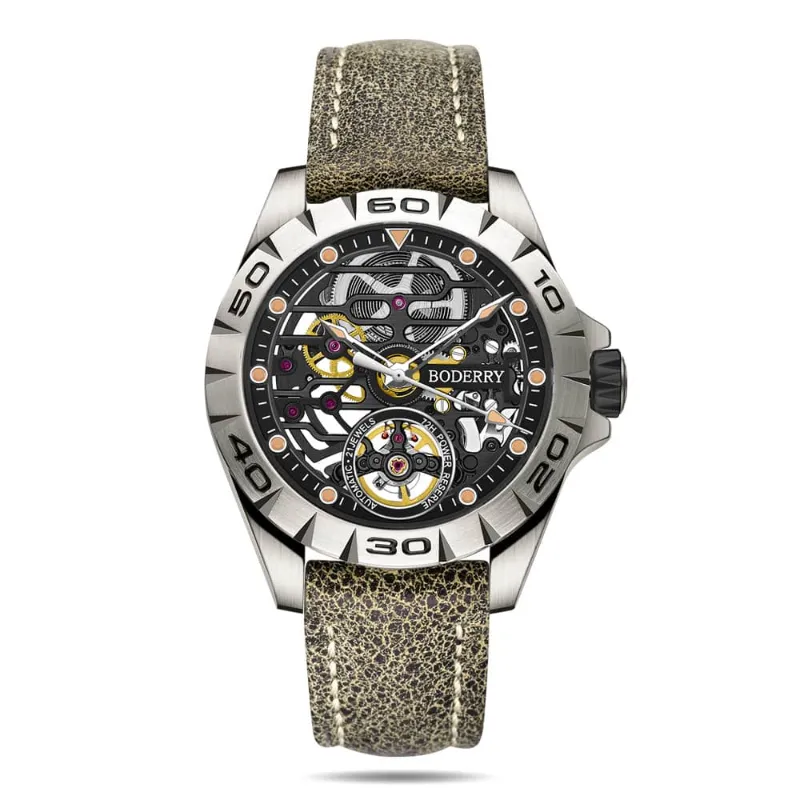
Skeleton Skeleton Watch vs Traditional Dial: Which Style Is Right for You?
A skeleton skeleton watch exposes the intricate gears and springs of its movement through cutaway dials and transparent case backs, turning the mechanics into the design. Traditional dial watches hide the movement behind solid faces, focusing on legibility and timeless aesthetics. We've tested both styles across dress, sport, and casual settings to help you choose the right fit for your wrist and lifestyle.
How Skeleton Watches Show Their Mechanics
Skeleton designs remove material from the dial, bridges, and rotor to reveal the beating heart of the watch. High-end models like Swiss Made skeleton pieces hand-finish every visible surface, while accessible options use stamped movements with decorative cutouts. The hybrid vk68 meca-quartz chronograph blends quartz accuracy with a mechanical chronograph module you can watch snap into action.
Open-worked dials sacrifice some readability. Hour markers float on thin rails or disappear entirely, and busy gear trains can obscure the hands in low light. We recommend skeleton watches for enthusiasts who value the mechanical spectacle over split-second time checks. If you need to glance at the time during meetings or workouts, a traditional dial wins every time.
Skeleton movements also expose dust and moisture entry points. Look for models with screw-down crowns and gasket-sealed crystals if you plan to wear yours daily. The boderry voyager pairs an exhibition case back with a protected dial, giving you mechanical views without compromising the front face.
When Traditional Dials Make More Sense
Traditional watches prioritize function. Solid dials provide high contrast between hands and background, applied indices catch light for quick reference, and printed minute tracks guide precision timing. The silver and black watch delivers instant legibility in boardrooms and dim restaurants alike.
Classic designs age gracefully. A men rose gold watch with a sunburst dial and dauphine hands pairs as easily with denim as it does with a suit, and the style won't look dated in a decade. Skeleton watches make a statement, but that statement doesn't suit every occasion. We've found traditional dials flex across formal events, outdoor activities, and professional settings without drawing unwanted attention.
Durability favors closed dials. Solid construction keeps debris out of the movement, and simpler designs mean fewer fragile bridges to crack under impact. If you work with your hands or play contact sports, check the latest price on traditional tool watches like the turtle watch or sea turtle ocean dive models built for abuse.
Comparing Materials and Movement Types
Both styles span the full range of case materials and calibers. Here's how the choice affects your watch:
| Feature | Skeleton Watch | Traditional Dial |
|---|---|---|
| Movement visibility | Full or partial exposure | Hidden or case-back only |
| Readability | Moderate to low | High |
| Maintenance access | Easy visual inspection | Requires opening |
| Dress code fit | Casual to smart-casual | Universal |
The bronze watch develops a unique patina over time whether you choose skeleton or solid dial. Bronze's living finish pairs beautifully with exposed gears, but traditional dials let the case metal take center stage. We've also tested titanium watche models in both configurations. Titanium's lightweight strength suits sport skeletons that need impact resistance, while its brushed gray tone grounds minimalist traditional designs.
Automatic movements gain visual appeal in skeleton cases. The 72 hour power reserve lets you admire the rotor's slow wind-down through the weekend. Quartz and meca-quartz calibers offer less theater, making traditional dials the pragmatic choice unless you specifically want to showcase hybrid technology like the VK68 chronograph module.
Styling Each Watch Type for Different Occasions
Skeleton watches command attention at casual gatherings and creative workplaces. We pair ours with rolled sleeves, open collars, and textured straps. An fkm rubber strap in a bold color amplifies the mechanical vibe for weekend wear, while leather keeps it refined for dinner dates.
Traditional dials disappear into formal dress codes. A thin case on a leather strap slides under French cuffs, and neutral tones like silver, black, or navy match every suit in your rotation. The baltany watche line offers vintage-inspired traditional dials that nod to mid-century tool watches without the skeleton's visual noise.
For travel and outdoor use, traditional dials prove more practical. Luminous hands and markers work in tents and red-eye flights where skeleton cutouts turn into dark voids. Save your skeleton piece for situations where you can actually see and appreciate the movement, ideally in natural daylight or warm indoor lighting.
Maintenance and Long-Term Ownership
Skeleton movements show every speck of dust and every drop of dried lubricant. Budget an extra service interval if you wear yours daily in dusty or humid environments. Traditional watches hide these cosmetic issues, though both styles need the same five-year service schedule for oils and gaskets.
Resale value skews toward traditional designs with broad appeal. Limited-edition skeletons from respected brands hold value among collectors, but mass-market open-worked pieces depreciate faster than their closed-dial siblings. If you're building a rotation you might sell later, grab the code for versatile traditional models first and add skeleton pieces as passion purchases.
Crystal scratches hurt skeleton watches more. A scuffed sapphire over a solid dial dims the view slightly, but the same scratch over exposed gears creates distracting reflections and ruins the mechanical display. We recommend sapphire crystals for both styles, but it's non-negotiable on skeletons.
Which Style Fits Your Collection
Choose a skeleton watch if you appreciate horology as kinetic art, enjoy explaining how watches work, and already own reliable daily wearers. Brands like Tissot offer accessible entry points with Swiss movements and finishing that punches above its price.
Opt for traditional dials if you need a single watch for all occasions, prioritize quick time checks, or prefer understated elegance over mechanical theater. You can always add an exhibition case back to glimpse the movement without compromising the dial's function.
We've found the ideal middle ground is owning both. Rotate a skeleton piece for relaxed weekends and creative settings, then switch to a traditional dial for work, travel, and formal events. Start with the style that matches your most frequent use case, then expand as your collection grows. Both approaches to watchmaking deserve a spot on your wrist.
Frequently asked questions
Are skeleton watches harder to read than traditional dials?
Yes, skeleton watches sacrifice readability for visual interest. The cutaway dials and exposed gears reduce contrast between hands and background, making quick time checks harder in low light or at awkward angles.
Do skeleton watches require more frequent servicing?
Not necessarily, but their exposed movements show dirt and dried lubricant more visibly. Both styles need servicing every five years, though skeleton owners often notice cosmetic issues sooner and may choose earlier maintenance.
Can I wear a skeleton watch with formal attire?
Skeleton watches lean casual to smart-casual and can appear too bold for black-tie or conservative business settings. Traditional closed dials remain the safer choice for formal dress codes.
Which watch style holds its value better over time?
Traditional dial watches from established brands typically retain resale value better due to broader appeal. Limited-edition skeleton pieces from respected makers can hold value among collectors, but mass-market models depreciate faster.
What case material works best for skeleton watches?
Titanium and bronze both work well. Titanium offers lightweight durability for active wear, while bronze develops a patina that complements the vintage aesthetic of many skeleton designs. Sapphire crystal is essential to protect the view.
Should a first-time watch buyer start with a skeleton or traditional watch?
Start with a traditional dial for versatility across all occasions and reliable readability. Add a skeleton watch later once you have a dependable daily wearer and want to explore horology as visual art.