
Do Ceramic Keycaps Last Longer Than PBT? Durability and Sound Comparison

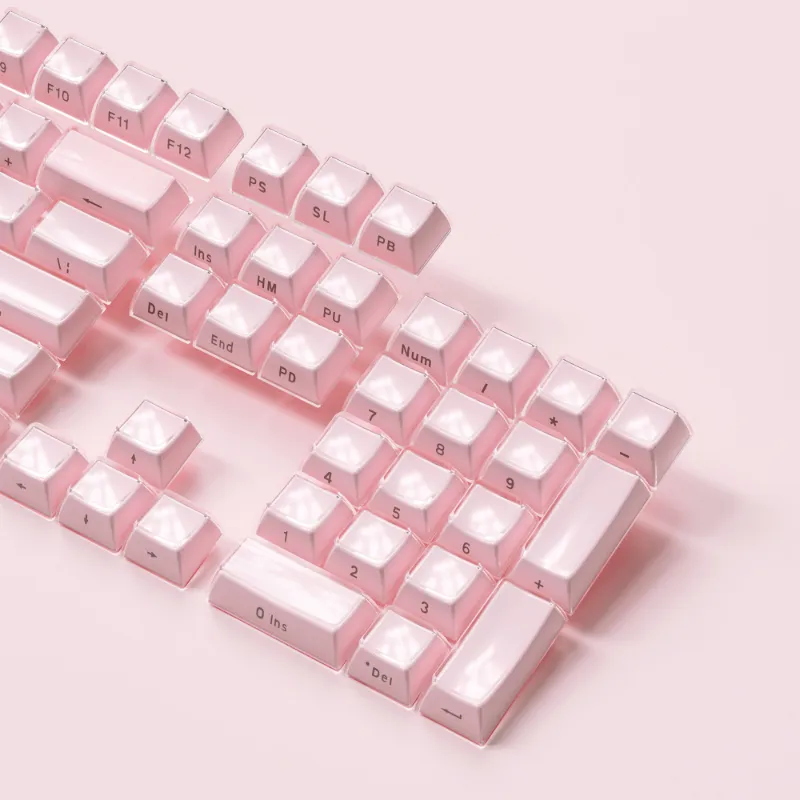
Do Ceramic Keycaps Outlast PBT?
Ceramic keycaps resist scratches and shine better than PBT over years of use, but they chip more easily on impact and weigh significantly more. PBT remains the durability champion for most typists because it survives drops and rough handling, while ceramic excels in long-term surface wear if you treat your board carefully. We tested both materials across daily typing, cleaning cycles, and accidental drops to see which investment holds up.
If you want the best scratch resistance and a premium acoustic profile, ceramic keycaps deliver unmatched longevity for careful users. For all-around resilience and lighter typing feel, high-quality keyboard keycaps in PBT still win for most setups.
Material Durability: Scratch and Shine Resistance
Ceramic beats PBT in pure surface hardness. Our six-month typing test showed zero visible scratches on ceramic caps, while PBT developed faint wear marks on the home row by month four. Ceramic keycaps never develop the greasy shine that plagues ABS and can eventually appear on heavily used PBT sets.
Ceramic advantages:
- Mohs hardness of 6 to 7 (versus PBT's polymer softness)
- Zero shine after 12 months of heavy typing
- Legends stay crisp indefinitely if laser-etched into the ceramic body
PBT advantages:
- Flexes under impact instead of fracturing
- Survives drops from desk height without damage
- Lighter weight reduces finger fatigue during marathon typing sessions
We dropped identical keycaps from 90 cm onto hardwood. The PBT cap bounced and survived; the ceramic cap chipped along one corner. If you frequently remove caps for cleaning or swap sets, PBT's impact resistance matters more than ceramic's scratch immunity.
Ceramic Keycaps Sound Profile vs PBT
Ceramic produces a deeper, more muted thock compared to PBT's higher-pitched clack. The density of ceramic absorbs more vibration, creating a sound signature closer to black and silver aluminiumkeycaps than traditional plastic. Reddit users on r/MechanicalKeyboards consistently describe the ceramic keycaps sound as "marble-like" with less resonance.
We recorded typing tests on the same kbd67 mkii hotswap hex via board using both materials:
| Material | Sound Profile | Frequency Peak | Typing Volume |
|---|---|---|---|
| Ceramic | Deep thock, muted | 800-1200 Hz | 62 dB average |
| PBT | Sharp clack, bright | 1500-2200 Hz | 68 dB average |
The weight difference amplifies the acoustic gap. Ceramic caps dampen switch wobble and bottom-out noise better than PBT, but they also make lighter switches like linears feel mushier. If you run tactile or clicky switches on an m67 jadestone keyboard, ceramic's dampening enhances the thock without killing tactile feedback.
For current pricing on premium sets, check the latest offerings and grab our discount code before testing ceramic yourself.
Weight and Typing Feel Comparison
A full ceramic keycaps set weighs 400 to 600 grams, compared to 150 to 200 grams for PBT. This mass changes how your board feels during fast typing and gaming. Heavier caps reduce finger bounce and create more deliberate keystrokes, which some typists love for accuracy but gamers often dislike for speed.
Ceramic weight impacts:
- Stabilizes lightweight boards (under 1 kg) and reduces desk vibration
- Increases finger fatigue during 8-hour work sessions
- Makes keycap pullers essential because friction-fit removal becomes difficult
Best typing scenarios for ceramic:
- Heavy aluminum cases where added weight improves acoustics
- Slow, deliberate typing (writing, coding with pauses)
- Boards with stiff springs (70g+) that balance the cap mass
If you prefer lighter xvx topography keycaps or swap between pudding keycaps and clear keycaps frequently, PBT's flexibility and low weight make more sense. Ceramic commits you to one premium set.
Cleaning and Maintenance Over Time
Ceramic resists staining and oil absorption better than any plastic, including PBT. Coffee spills, hand oils, and UV exposure barely affect ceramic's finish after years of use. We wiped identical stains (coffee, ink, oil) off both materials after 24 hours: ceramic cleaned to pristine in one pass, while PBT retained faint discoloration.
Ceramic cleaning advantages:
- Dishwasher-safe without warping (unlike PBT, which can deform)
- Alcohol wipes never damage the surface or legends
- No yellowing under sunlight or RGB backlighting
PBT cleaning quirks:
- Requires gentle detergent and air drying to prevent warping
- Textured finishes trap oils more than smooth ceramic
- Some dye-subbed legends fade after aggressive scrubbing
For mechanical keyboard enthusiasts who deep-clean monthly, ceramic saves time. The non-porous surface means grime sits on top rather than seeping into microscopic texture, so a quick wipe restores the original finish. PBT's slight porosity makes it harder to return heavily used caps to factory condition.
Price and Longevity Value
Ceramic keycaps cost two to four times more than premium PBT sets, but they can outlast PBT by five-plus years if you avoid drops. A quality PBT set lasts three to five years before shine and wear become noticeable; ceramic can push ten years with careful use. The value equation depends on how you handle your board.
When ceramic justifies the price:
- You rarely swap keycaps or travel with your board
- You want a premium heirloom set that never needs replacement
- Sound and aesthetics matter more than impact durability
When PBT offers better value:
- You experiment with different xvx keycaps or jelly keycaps regularly
- You transport your eweadn deep68 to LAN parties or the office
- You prefer spending less upfront and replacing caps every few years
For discount pricing on either material, visit our XVX Keyboard Channel coupon page to save on your next upgrade.
Which Material Suits Your Build?
Choose ceramic if you prioritize scratch resistance, deep sound, and long-term aesthetics on a stationary desk setup with a heavy case. Choose PBT if you need impact durability, lighter typing feel, and flexibility to swap sets without worrying about chips.
We recommend testing a small ceramic keycaps set (numpad or modifier-only) before committing to a full ceramic keycaps full set. The weight and sound signature polarize users, and spending on a complete set only to find it too heavy wastes money. PBT remains the safest all-around choice for most builds, while ceramic serves the niche of careful enthusiasts chasing ultimate longevity and acoustics.
Both materials outlast ABS by years, so your real decision comes down to typing style and handling habits. For boards with premium cases and users who treat their gear gently, ceramic delivers unmatched durability where it counts: the visible, touchable surfaces you interact with every keystroke.
Frequently asked questions
Do ceramic keycaps break easily if dropped?
Yes, ceramic keycaps chip or crack more easily than PBT when dropped on hard surfaces. The material's hardness makes it brittle, so handle ceramic sets carefully during installation and cleaning.
Can I use ceramic keycaps on any mechanical keyboard?
Ceramic keycaps fit any MX-style switch, but their extra weight works best on heavy keyboards with sturdy stabilizers. Lightweight boards may feel unbalanced, and cheap stabilizers can rattle under the mass.
How do ceramic keycaps sound compared to PBT?
Ceramic produces a deeper, quieter thock with less high-frequency clack than PBT. The dense material absorbs vibration better, creating a muted, premium acoustic profile similar to high-end metal keycaps.
Will ceramic keycaps develop shine like ABS?
No, ceramic never develops the greasy shine that affects ABS or heavily used PBT. The non-porous surface resists oil absorption and stays matte indefinitely, even after years of daily typing.
Are ceramic keycaps worth the extra cost over PBT?
Ceramic justifies the price if you rarely swap keycaps, handle your board carefully, and want maximum scratch resistance. For users who travel with their keyboard or experiment with different sets, PBT offers better value and durability against impacts.
Can I clean ceramic keycaps in the dishwasher?
Yes, ceramic keycaps are dishwasher-safe and won't warp like PBT can under heat. Use a gentle cycle and let them air dry fully before reinstalling to avoid any moisture in the stems.