
How to Choose Between Pudding, Ceramic, and Jelly Keycaps for Your Mechanical Keyboard

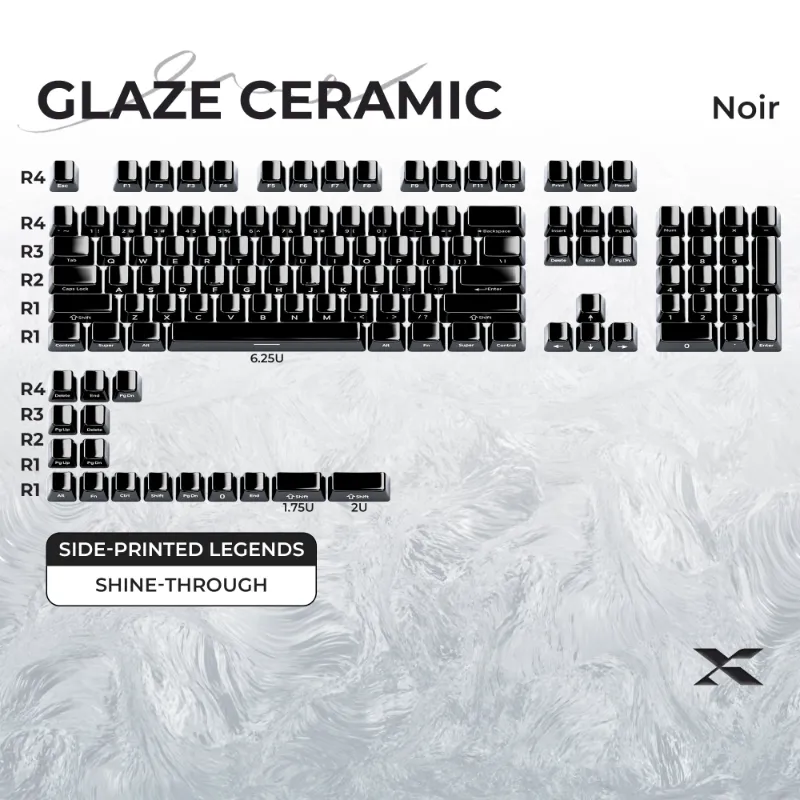
Why Material Matters: Ceramic Keycaps vs Pudding and Jelly
Choosing between ceramic keycaps, pudding keycaps, and jelly keycaps comes down to three priorities: sound signature, RGB compatibility, and budget. Ceramic keycaps produce a deeper, more resonant thock thanks to their density and heat dissipation properties, while pudding and jelly caps are designed to maximize RGB lighting diffusion at a lower price point. We tested all three materials on boards like the kbd67 mkii hotswap hex via and m67 jadestone keyboard to show you exactly what each delivers.
Most mechanical keyboard enthusiasts start with standard keyboard keycaps in ABS or PBT plastic, but specialty materials change both the acoustic profile and tactile experience. If you want the best ceramic keycaps for sound or need maximum RGB glow, understanding the trade-offs will save you from buying the wrong set.
Sound and Feel: How Each Material Performs
The sound difference is immediate. Ceramic keycaps produce a lower-pitched, denser thock with less high-frequency rattle because ceramic is significantly heavier and absorbs vibration differently than plastic. According to Laptop Mag's hands-on test, the material also stays noticeably cooler during long typing sessions, which reduces finger fatigue in warm environments.
Pudding keycaps feature translucent sides with opaque legends on top, allowing RGB backlighting to shine through the perimeter of each key. The sound is typical mid-range plastic: crisp and slightly higher-pitched than ceramic. They work beautifully on RGB boards like the eweadn deep68 where underglow and per-key lighting need maximum diffusion.
Jelly keycaps are fully translucent PVC or silicone-style caps that let RGB flood through every surface. They produce the softest, quietest sound of the three because the material dampens switch noise. The texture is slightly tacky, which some typists love for grip and others find distracting.
| Material | Sound Profile | RGB Diffusion | Weight | Typing Temperature |
|---|---|---|---|---|
| Ceramic | Deep thock, low pitch | Minimal (opaque) | Heavy | Cool to the touch |
| Pudding | Crisp, mid-high pitch | High (sides only) | Light | Neutral |
| Jelly | Muted, soft | Maximum (full body) | Light | Slightly warm |
Check the latest price on ceramic and specialty keycap sets at XVX Keyboard Channel.
RGB Compatibility and Lighting Goals
If RGB matters, pudding and jelly options dominate. Pudding keycaps are engineered specifically for backlit boards: the translucent walls let light spill onto your desk while keeping legends sharp. They pair perfectly with per-key RGB boards and look especially striking with white or clear keycaps used as accents.
Jelly keycaps take diffusion further by allowing light to pass through the entire cap, creating a glowing effect that some users describe as "RGB on steroids." The trade-off is reduced legend visibility in bright rooms since the translucent material softens contrast.
Ceramic offers zero RGB compatibility. The material is completely opaque, so backlight simply doesn't shine through. If you're building a premium sound-focused board and RGB isn't a priority, ceramic is ideal. Pairing ceramic with sets like xvx topography keycaps or xvx keycaps can create a refined aesthetic that relies on texture and legend design rather than lighting effects.
Durability, Maintenance, and Longevity
Ceramic keycaps are the most durable of the three. The material resists shine, doesn't yellow with UV exposure, and legends are typically laser-etched or pad-printed into the surface rather than dye-sublimated. Brett Terpstra's Cerakey review notes that after months of use, ceramic caps show zero wear compared to ABS pudding caps that developed finger shine within weeks.
Pudding keycaps in ABS plastic will develop shine on high-contact keys (spacebar, A, S, D, W) after 3 to 6 months of daily use. PBT pudding caps resist this longer but cost more. Jelly keycaps are prone to attracting dust and fingerprints due to their tacky surface, requiring more frequent cleaning with isopropyl alcohol wipes.
Cleaning tips:
- Ceramic: wipe with damp cloth or soak in warm soapy water; no risk of damage
- Pudding: avoid abrasive cleaners that scratch translucent plastic
- Jelly: use alcohol wipes to remove oils; air-dry completely before reinstalling
Compatibility with Mechanical Keyboards and Layouts
All three materials are available in standard ANSI layouts and fit Cherry MX-style stems, so they work with most mechanical switches. However, ceramic keycaps are rarely sold as a ceramic keycaps full set covering every layout variant. You'll typically find ceramic in 60% or TKL configurations, and you may need to mix materials for exotic layouts or ortholinear boards.
Pudding and jelly keycaps are widely available in 104-key, TKL, and 60% sets with better coverage for ISO layouts and speciality keys. If you're running a board like the kbd67 mkii hotswap hex via with a 65% layout, confirm that your chosen set includes 1.75u right Shift and the correct bottom-row modifiers.
Stem and mount considerations:
- Ceramic sets often use the same Cherry MX cross-stem as plastic caps
- Heavier ceramic caps may affect switch feel on ultra-light linears (sub-40g actuation)
- Pudding and jelly caps are lighter and preserve stock switch characteristics
Grab the code for 5% off when you order keycap sets from XVX Keyboard Channel.
Price and Value: Which Material Fits Your Budget
Ceramic keycaps command a premium. A full ceramic keycaps set from brands like Pwnage or Cerakey costs two to four times more than comparable ABS or PBT plastic sets. You're paying for material cost, manufacturing complexity, and acoustic performance. If you're chasing the best ceramic keycaps sound and don't mind the investment, Digital Chumps' Cerakey review confirms the audio difference is worth it for enthusiasts.
Pudding keycaps offer excellent value for RGB users. Entry-level sets start at budget-friendly prices, and even premium double-shot PBT pudding caps cost less than mid-tier PBT sets. Jelly keycaps sit in the same price range and are often the cheapest option per key, making them ideal for first-time modders or users who want to experiment with translucent aesthetics.
Budget guidance:
- Ceramic: premium tier, best for sound-focused builds and collectors
- Pudding: mid-budget, ideal for RGB showcases and gaming setups
- Jelly: entry-level, great for experimentation and novelty builds
If you want design variety, explore options like sideways legend keycaps or black and silver aluminiumkeycaps that blend unique aesthetics with different materials.
Who Should Choose Which Material
Choose ceramic keycaps if:
- You prioritize deep, thocky sound over RGB effects
- You type for extended hours and appreciate cooler keycap surfaces
- You want maximum durability and zero shine over time
- Budget isn't a limiting factor
Choose pudding keycaps if:
- You want vibrant RGB lighting with sharp legends
- You're building a gaming or streaming setup where aesthetics matter
- You need a full keycap set with broad layout compatibility
- You want good value without sacrificing quality
Choose jelly keycaps if:
- Maximum RGB glow and translucency are your top priority
- You like a softer, quieter typing experience
- You're experimenting with custom builds on a tight budget
- You enjoy the unique tactile feel of soft-touch materials
For more specialty options, check out sets like xvx topography keycaps that combine unique sculpting with premium materials, or clear keycaps for a minimalist transparent look that shows off your switches.
Final Recommendations
Ceramic keycaps excel in sound quality, temperature regulation, and long-term durability, making them the top choice for enthusiasts who value acoustics and build quality over RGB effects. Pudding keycaps deliver the best balance of RGB performance and value, ideal for gamers and users who want their lighting to shine. Jelly keycaps offer maximum translucency and a unique typing feel at entry-level prices, perfect for experimental builds.
We recommend starting with pudding or jelly if you're new to mechanical keyboards and RGB matters. Once you know your preferences, upgrade to ceramic for a premium sound signature that plastic can't match. Check current pricing and apply the XVX Keyboard Channel discount code to save on any keycap set you choose.
Frequently asked questions
Do ceramic keycaps work with all mechanical keyboard switches?
Yes, ceramic keycaps fit any Cherry MX-style stem, including Gateron, Kailh, and other clones. The added weight may slightly change the feel of ultra-light linear switches under 40g actuation force, but they're fully compatible with standard tactile and clicky switches.
Can pudding keycaps show RGB lighting without a backlit keyboard?
No, pudding keycaps require RGB or white LED backlighting to shine through the translucent sides. Without backlighting, they look like standard opaque keycaps with no visual difference.
Are jelly keycaps harder to clean than ceramic or pudding caps?
Yes, jelly keycaps attract fingerprints and dust more easily due to their soft, slightly tacky surface. Wipe them with isopropyl alcohol wipes weekly to maintain clarity and hygiene.
Why do ceramic keycaps cost so much more than plastic ones?
Ceramic requires specialized manufacturing, higher material costs, and precise quality control to avoid chipping or cracking. The density and acoustic properties also make them a premium enthusiast product rather than mass-market item.
Will pudding keycaps develop shine like regular ABS keycaps?
Yes, ABS pudding keycaps will develop finger shine on high-use keys after 3 to 6 months. Choose PBT pudding keycaps if you want shine resistance, though they cost slightly more and may have less vibrant RGB diffusion.
Can I mix ceramic and pudding keycaps on the same keyboard?
You can, but the height profile and sound signature will be inconsistent. Ceramic is heavier and produces a deeper sound, so mixing materials works best as an accent (e.g., ceramic alphas with pudding modifiers) rather than a random mix.