
Chessnut Air-Plus vs Chessnut Pro: Which Smart Chess Board Fits Your Chess Routine?

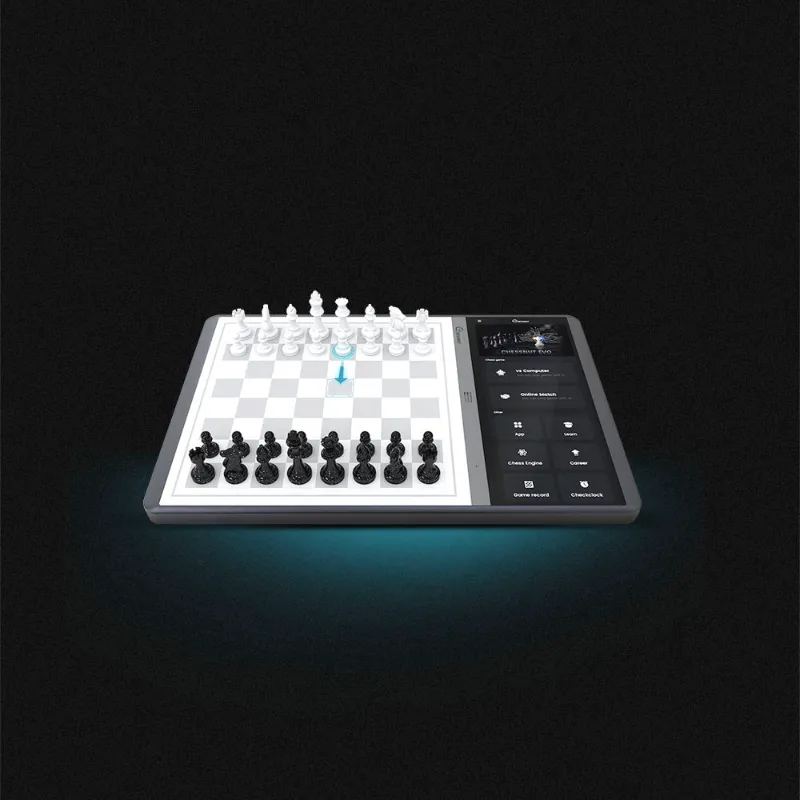
The chessnut air-plus is the better fit for most players who want a portable smart chess board for online play, engine review, and daily training, while Chessnut Pro is the better fit if you want a larger, more traditional board experience at home. Both are built around the same core idea: play real chess pieces on a connected board while your moves sync to supported apps and analysis tools. The right choice comes down to space, feel, and how seriously you want the board to replace a standard wooden chess board.
chessnut air-plus vs Chessnut Pro at a Glance
If you are choosing between the two, start with your chess routine rather than the spec sheet. A compact smart chess board is easier to keep on a desk, move between rooms, or bring to a club. A full-size-feeling board is better when you want the game to feel like a proper over-the-board session.
| Buyer need | Better pick | Why it matters |
|---|---|---|
| Daily online games | chessnut air-plus | Easier to leave set up near a laptop or tablet |
| Home study setup | chessnut pro | Larger presence and more traditional board feel |
| Travel or small desk use | Air-Plus | More practical when space is limited |
| OTB-style training | Pro | Closer to a tournament-board mindset |
We would choose Air-Plus if you want a board you actually use every day. We would choose Pro if your goal is to recreate a serious physical chess board setup and you have a dedicated table for it.
Before buying, it is worth checking the current offer because Chessnut pricing and bundles can change. You can check the latest price and grab the code before you decide.
What the Air-Plus Does Best
The main appeal of Air-Plus is convenience. It gives you the tactile feel of moving chess pieces without forcing you to dedicate a large table to chess. For players who split time between online rapid games, puzzles, and post-game review, that matters more than most spec-sheet differences.
Air-Plus is especially strong for:
- Players who want a smart chess board on a desk next to a monitor
- Online players who dislike dragging pieces with a mouse
- Casual club players who want more realistic practice at home
- Students who review games with an engine after each session
- Anyone who wants a cleaner setup than a laptop plus separate physical board
A useful way to think about it: Air-Plus is not trying to be the biggest or most luxurious board in the room. It is trying to be the one you use most often. That makes it a strong option if your chess routine is built around regular, shorter sessions rather than long weekend study blocks.
For broader owner impressions, this Chess.com forum thread on a Review: Chessnut Air Plus is useful background because it reflects the kinds of practical questions buyers ask after setup, not just marketing copy.
Where Chessnut Pro Pulls Ahead
Chessnut Pro is the more natural pick if board presence matters to you. Some players simply calculate better on a larger board because the spacing feels closer to serious over-the-board play. If you are training for classical games, hosting friends, or building a permanent study corner, that larger format can feel more rewarding.
Pro makes more sense if you:
- Want a smart board that feels closer to a premium wooden chess board
- Often play full-length games at home
- Prefer a more spacious view of the position
- Want the board to be part of a dedicated chess room or study desk
- Care more about physical realism than portability
It is also the better emotional purchase for some players. A compact board can be practical, but a larger board can make training feel more deliberate. If sitting down at a substantial board helps you focus, the Pro may get more use even if it is less convenient.
The tradeoff is simple: Pro asks for more space and a more fixed routine. If you need to pack the board away often, or if your chess area doubles as a work desk, that can become annoying over time.
Smart Board Features That Matter in Real Use
A smart chess board should reduce friction, not add it. The best features are the ones that make you play, review, and learn with fewer interruptions.
Look for these everyday benefits when comparing Chessnut chess products:
- Move recognition: The board should follow your moves reliably so online play feels natural.
- App support: Compatibility with popular platforms and analysis workflows is a major reason to buy smart boards.
- Physical feedback: Real chess pieces help many players visualize threats better than a flat screen.
- Engine review: Pairing games with Chessnut stockfish or stockfish chess analysis helps turn finished games into lessons.
- Setup speed: If it takes too long to start a game, you will use the board less.
The engine side is especially important. A connected board becomes much more valuable when you can play a real game, save the moves, and then review mistakes with Chessnut stockfish or another engine workflow. That is where a smart board becomes more than a novelty.
If your main goal is improvement, do not just ask which board looks better. Ask which board makes it easiest to complete this loop:
- Play a real game with physical pieces
- Save or sync the game cleanly
- Review critical moments
- Replay better lines on the board
- Repeat without a complicated setup
That loop is where these boards earn their place.
Board Feel, Pieces, and Space
Physical feel matters because chess is partly visual and partly tactile. A board can have strong software support and still feel wrong if the size, spacing, or pieces do not suit your habits.
Air-Plus favors efficient space. It is easier to place near a computer and use during online games. Pro favors a more open board feel, which can make complicated middlegames easier to read. Neither choice is automatically more serious. The serious choice is the one you will consistently use.
Consider these practical questions:
- Do you usually play at a desk, dining table, or dedicated chess table?
- Will the board stay out permanently?
- Do you review games with a laptop or tablet nearby?
- Do you prefer compact chess sets or full-size boards?
- Are you buying for solo training, family games, or club-style practice?
Pieces matter too. If you are upgrading the overall feel of your setup, make sure the chess pieces match the way you like to play, especially if you care about piece weight, visibility, and the feel of a rook chess move during endgame practice.
For readers comparing the Air family specifically, this outside guide on Chessnut Air vs Chessnut Air+: Which Should You Buy in 2026? can add useful context before you choose between compact models.
Which Board Fits Your Chess Routine?
Choose the chessnut air-plus if your routine is flexible, digital, and frequent. It is the better everyday board for online games, quick training sessions, and players who want the physical act of moving pieces without building a permanent chess station.
Choose Chessnut Pro if your routine is slower, more deliberate, and more physical. It fits players who treat study time like a full session, enjoy a larger chess board, and want something that feels closer to a centerpiece than an accessory.
Here is the simplest way to decide:
| If you mostly... | Pick |
|---|---|
| Play online after work or school | Air-Plus |
| Study long games at a dedicated table | Pro |
| Need a board that can move around | Air-Plus |
| Want a premium home board feel | Pro |
| Share games with family or guests | Pro |
| Review games beside a laptop | Air-Plus |
If you are still split, default to the board that removes the biggest excuse. If your excuse is “I do not have space,” go smaller. If your excuse is “screen chess does not feel real enough,” go larger.
Buying Tips Before You Order
Do a quick pre-buy check so you do not choose based on the wrong factor. With smart boards, the practical details matter as much as the look.
Before checkout:
- Confirm the product page for current compatibility notes and included items
- Make sure the board size matches your desk or table
- Decide whether portability or board presence matters more
- Check whether you want extras such as a case, upgraded pieces, or related chess sets
- Use the current Chessnut coupon page if you want the available discount code
We avoid quoting live prices because they can change, especially during seasonal sales and bundle promotions. The safest move is to grab the current Chessnut code and compare the live product pages before paying.
For most buyers, our recommendation is straightforward: pick Air-Plus if you want a smart chess board that blends into daily online play, and pick Pro if you want a more permanent home board that makes study feel like a real over-the-board session. If you are starting from scratch and want the broader ecosystem, browsing the main Chessnut chess options can help you see how the boards, pieces, and engine tools fit together.
Frequently asked questions
Is the chessnut air-plus good for online chess?
Yes, the chessnut air-plus is a strong choice for online players who want to move real pieces instead of using a mouse. It is especially practical if your setup is a desk with a laptop, monitor, or tablet nearby.
What is the main difference between Chessnut Pro and Air-Plus?
Chessnut Pro is better if you want a larger, more traditional board experience for home study or longer games. Air-Plus is better if you want a compact smart board that is easier to use every day.
Are smart chess boards worth it for improving players?
A smart board can be worth it if you play online often but still want the feel of physical chess pieces. It is less useful if you rarely review games, dislike app setup, or mainly want a decorative board.
Can I review games with Chessnut stockfish or Stockfish analysis?
Yes, Chessnut boards can fit well into engine-based review workflows, including Stockfish-style analysis. Always check the current product page for the latest app and platform compatibility before buying.
Should I buy a move chess board or a regular wooden chess board?
Choose the board that matches your space and habits first. A compact move chess board is usually better for desks and frequent sessions, while a larger board is better for a dedicated chess table.