
Chessnut Stockfish and Stockfish Chess Explained: How Chess Engines Help You Analyze Games

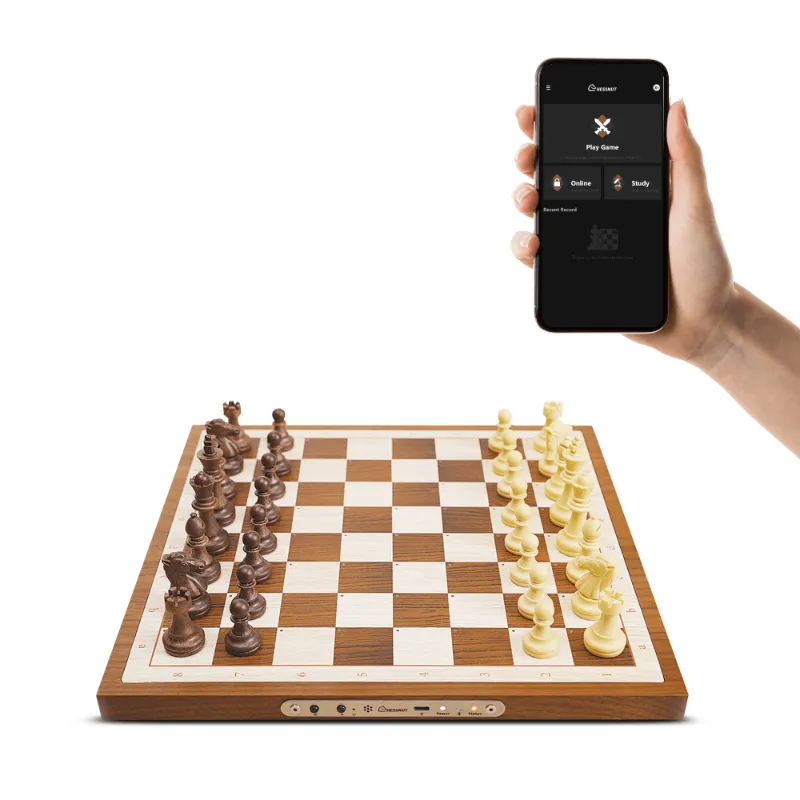
Chessnut chess helps you turn Stockfish analysis from a screen-only habit into a board-based review workflow. If you use a Chessnut smart chess board such as the chessnut air-plus or chessnut pro, engine feedback can make your post-game study clearer, faster, and less dependent on guesswork. The key is understanding what Stockfish is good at, where human judgment still matters, and how to use engine lines without letting them replace your own thinking.
What Stockfish Chess Actually Does
Stockfish is an open-source chess engine that evaluates positions and calculates strong move sequences. In plain English, it looks at a chess board position, searches possible continuations, and estimates which side is better.
A stockfish chess workflow usually gives you:
- Evaluation: a score showing which side the engine prefers.
- Best moves: candidate moves ranked by engine strength.
- Principal variation: the main line Stockfish expects after the best move.
- Blunder detection: moves that sharply worsen your position.
- Depth: how far the engine has searched in a position.
That makes it excellent for checking tactics, missed defenses, and endgame accuracy. It is less helpful if you copy the first line without asking why the move works. For improvement, we prefer using the engine after you have already annotated the game yourself.
How Chessnut chess Fits With Engine Analysis
A smart board changes how analysis feels. Instead of clicking through moves on a phone or laptop, Chessnut chess lets you review the game with real chess pieces in front of you. That physical feedback matters if you learn better by seeing the position on a board.
Here is the practical flow we recommend:
- Play a game on your Chessnut board.
- Save or sync the move record in the supported app or platform.
- Review the game once without engine help.
- Turn on Stockfish analysis and compare your notes.
- Rebuild critical positions on the board and replay the better line.
This process works especially well for club players because it keeps the lesson tied to the actual squares, files, diagonals, and piece coordination. When Stockfish says a rook chess move was best, for example, you can physically test why the rook belongs on an open file or why a lift creates pressure.
If you are buying a board for this kind of study, check the product page first and then grab the code before ordering.
Chessnut Stockfish vs Regular Analysis Apps
Chessnut stockfish is best understood as the engine layer in a broader study setup, not as a magic coach. Regular apps can also run Stockfish, but the Chessnut advantage is the connection between analysis and a real board.
| Option | Best For | Main Tradeoff |
|---|---|---|
| Phone or web engine only | Fast checking after online games | Easy to click too quickly and skip understanding |
| Smart chess board with engine review | Board learners and serious post-game study | Requires setup, charging, and board space |
| Human coach plus engine | Deep pattern building and practical advice | More expensive and less instant |
Use the engine to identify where the game changed, then slow down. Ask questions such as:
- What was the threat before the best move?
- Was the engine move tactical, positional, or defensive?
- Which candidate move did I miss?
- Could I have found the idea over the board?
- Does the line depend on a forcing move, check, capture, or threat?
That habit turns raw Stockfish output into usable chess knowledge.
Choosing Between chessnut air-plus, chessnut pro, and Move-Style Boards
The right smart chess board depends on how you study, where you play, and how much board presence you want. The chessnut air-plus is the more portable style many players consider for home study, travel, and online play with real pieces. The chessnut pro is aimed at players who want a larger, more premium board experience.
Chessnut also has strong interest around chessnut move, chessnut evo, chessnut air, and chessnut go. If you are researching chessnut move price or a chessnut chess board self moving model, focus less on the novelty and more on your use case: will it make you review more games, solve more positions, and play more consistently?
For background on the self-moving concept, this hands-on Chessnut Move review is useful because it shows how robot-style board play can feel in practice.
| Board Type | Good Match | What To Check Before Buying |
|---|---|---|
| Portable smart board | Online play, travel, small desks | App compatibility and piece feel |
| Larger smart board | Serious study and display setup | Space, storage, and budget |
| Self-moving board | Novel replay and hands-free demos | Noise, speed, and supported modes |
We do not recommend choosing only by the chessnut chess board price. A cheaper setup that you rarely use is not better than a board that makes daily review easy. For current pricing, compare the product page with the latest store offer and check the latest price before you buy.
How To Analyze a Game Without Becoming Engine-Dependent
Stockfish is strongest when it checks your work, not when it does all your thinking. Try this post-game routine:
First pass: human notes only
Go through the whole game before turning on the engine. Mark positions where you felt uncertain, rushed, or surprised. Write down candidate moves you considered.
Second pass: engine check
Now run stockfish chess analysis. Look for the biggest evaluation swings first. A small inaccuracy in a quiet position may not matter as much as one missed tactic that changes the result.
Third pass: board reconstruction
Set up the key position on your smart chess board and play the engine line with real pieces. This is where Chessnut chess feels different from a normal screen review. Moving the pieces helps you see geometry: pins, skewers, back-rank problems, passed pawns, and king safety.
Fourth pass: make a lesson
End with one sentence you can remember:
- “When the center opens, check king safety before grabbing a pawn.”
- “Do not trade my active rook for a passive rook without a reason.”
- “In opposite-colored bishop endings, the attacker often has drawing or winning chances based on king activity.”
A single clear lesson is more valuable than saving ten engine lines you will never revisit.
Board, Pieces, and Setup Details That Affect Study
Engine strength is not the only thing that matters. Your chess board and chess pieces affect whether you actually enjoy reviewing positions.
Look for:
- Readable squares: coordinates and contrast should be easy on your eyes.
- Stable pieces: pieces should not tip during fast move entry.
- Comfortable size: the board should fit your desk with room for a laptop or tablet.
- Reliable recognition: smart board move detection should feel smooth enough that you stay focused on the game.
- Storage: if the board is hard to set up, you may use it less.
A wooden chess board can feel better for slow study, while a lighter smart board may be more practical for frequent online play. If you already own traditional chess sets, think about whether you want a dedicated digital setup or a more premium board you keep ready at home.
The same applies to a chessnut chess set. The best choice is the one that reduces friction between playing, saving the game, and reviewing it while your memory of the decisions is still fresh.
Who Should Use Chessnut With Stockfish
This setup makes the most sense for players who want structured improvement and still enjoy physical chess. It is not only for advanced players. Beginners can use Stockfish to spot one-move blunders, while stronger players can dig into move-order details, endgames, and opening choices.
It is a strong fit if you:
- Play online but miss moving real pieces.
- Want better post-game habits.
- Study openings and need to replay variations clearly.
- Prefer tactile learning over pure screen analysis.
- Teach, coach, or review games with another player at the board.
It may be overkill if you only want a free engine check after casual games. In that case, start with a basic app, learn how evaluations work, and upgrade when a physical smart board would make you study more often.
Before ordering, compare the board style, app workflow, and current store offer. We keep the live Chessnut coupon page updated, so you can use our Chessnut discount code when you are ready to buy.
Frequently asked questions
How does Chessnut chess work with Stockfish?
Chessnut chess can pair physical board play with digital game records, then you can review those moves with Stockfish-style engine analysis. The exact workflow depends on the board model, app, and platform you use.
Is Stockfish enough to improve my chess by itself?
No. Stockfish is a powerful analysis tool, but it does not explain plans like a coach unless you interpret the lines. Use it after your own review so you learn why a move was better.
Do I need a smart chess board for engine analysis?
A smart chess board is worth considering if you learn better with real pieces or want your online games to feel more like over-the-board chess. If you only need quick engine checks, a regular app may be enough.
Should I choose chessnut air-plus or chessnut pro?
The chessnut air-plus is generally the more portable style, while the chessnut pro is better suited to players who want a larger board experience. Check the product pages for current details before choosing.
What should I check before buying a Chessnut board?
Look at board size, piece feel, app compatibility, move recognition, storage, and how often you will realistically use it. For current pricing or codes, use the Chessnut coupon page rather than relying on old figures.