
How to Choose Between a Wooden Chess Board, Move Chess Board, and Smart Chess Board

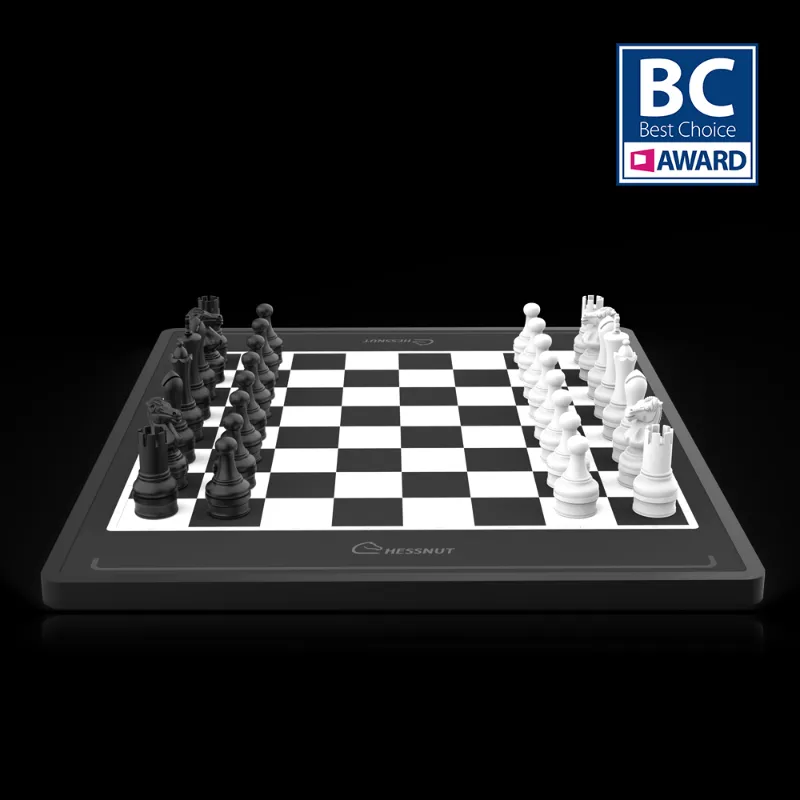
A move chess board is best if you want physical pieces that move for remote or engine-assisted play, while a wooden chess board is best for classic over-the-board games and a smart chess board is best for tracking, training, and online play without robotic movement. In the Chessnut range, the choice usually comes down to how much automation you want, how much you value wood-and-piece feel, and whether you plan to connect with apps, engines, or online opponents.
We test chess gear with the same question a buyer asks after the novelty wears off: will this board make you play more, study better, or enjoy games longer? Here is how to choose between Chessnut chess options without overpaying for features you will not use.
Start With How You Actually Play
Before comparing materials or app features, be honest about your main use case. A board for weekly family games has different priorities than a board for Lichess sessions, Stockfish analysis, or remote play against a friend.
Choose a traditional wooden chess board if you care most about:
- A quiet, classic playing experience
- Display value on a desk or coffee table
- Low setup time with no charging, pairing, or app updates
- Teaching notation, openings, and endgames face to face
- Pairing your own favorite chess pieces with a premium surface
Choose a smart board if you care most about:
- Online play with real pieces
- Automatic move recording for later review
- Training with app feedback
- Studying with Chessnut stockfish or other analysis tools
- Reducing screen fatigue while still playing digital opponents
Choose a robotic board if you want:
- Opponent moves physically made on the board
- A more immersive remote-play feel
- A conversation-piece setup for home, club, or streaming
- The closest thing to a live opponent when playing online
That last category is where Chessnut Move and other robotic chess board ideas sit. If you are researching the best move chess board, focus less on the spectacle and more on reliability, supported platforms, piece recognition, and how often you will use the robotic movement after the first week.
Move Chess Board vs Smart Chess Board: What Changes?
The simplest difference is that a smart chess board senses and records moves, while a robotic board can also move pieces for the other side. That sounds small, but it changes the entire buying decision.
| Option | Best for | Main trade-off |
|---|---|---|
| Wooden board | Classic play, display, teaching | No app or engine integration |
| Smart board | Online play, game records, training | You still move both sides physically when needed |
| Robotic board | Remote realism, automation, novelty | More moving parts and a higher need for setup space |
A smart chess board is usually the practical choice for players who want real pieces plus digital convenience. It can help you keep games recorded, play online with a physical board, and analyze without manually entering every move.
A move chess board goes further by making the opponent’s moves on the board. That can feel magical when it works well, especially for long-distance games or solo play against an engine. The trade-off is complexity: robotic movement requires more space, more calibration, and more patience than a standard sensor board.
For background on how automated boards work mechanically, this Automated Chessboard guide is useful because it shows why magnets, motors, and piece paths matter. Those details are exactly why a robotic chess board should be judged on consistency, not just on a short demo video.
Chessnut Air-Plus, Chessnut Pro, and Chessnut Move: Which Fits?
If you want a Chessnut board, start by separating three buyer profiles.
Chessnut Air-Plus for compact digital play
chessnut air-plus is a strong fit if you want a portable smart board experience rather than a furniture-like board. It is the kind of option we would look at for apartment desks, travel-friendly study setups, or players who want to connect with online chess without committing to a larger board.
It suits players who:
- Want a smart board but not a large footprint
- Play online more than they host in-person games
- Prefer easy storage
- Want to review games digitally after using real chess pieces
Chessnut Pro for a more premium board feel
chessnut pro makes more sense if you want the smart-board experience in a larger, more serious format. It is better suited to a dedicated chess space, a study room, or a player who wants the board to feel closer to a permanent setup.
It suits players who:
- Want a bigger playing surface
- Prefer a more premium table presence
- Study regularly with real pieces
- Want a board that can serve as both a training tool and display piece
Chessnut Move for robotic play
Chessnut Move is the one to consider if the appeal is automation. Search terms like chessnut move advanced robotic chessboard, chessnut move price, and move chess board robotic all point to the same buying question: is the robot feature worth it for your style of play?
Our answer is: yes for remote-play enthusiasts and tech-forward chess fans, not necessarily for everyone. If your main goal is reliable online play with physical pieces, a smart board may be enough. If your goal is to watch the board reply like a real opponent, robotic movement is the feature that justifies the upgrade. For current availability and the latest offer, check the Chessnut discount page rather than relying on old pricing screenshots.
How Wood, Pieces, and Board Feel Affect the Choice
A beautiful board can make you want to play more often, but feel matters beyond looks. With a wooden chess board, check the contrast between light and dark squares, the smoothness of the finish, and whether your pieces sit comfortably inside each square without crowding.
For traditional sets, the match between board and pieces is more important than many buyers expect. Oversized pieces on a compact board feel cramped. Small pieces on a large board feel floaty and less precise. If you already own quality chess pieces, measure the king base and compare it to square size before choosing a board.
For smart and robotic boards, piece feel also affects recognition and movement. Dedicated pieces are not just decorative; they are often part of the sensing system. That means you should avoid assuming every third-party set will work properly. If you want a coordinated setup, Chessnut chess sets are often easier than mixing brands, pieces, and board types yourself.
Rook chess positions also reveal board quality quickly. Rooks slide along open files, sit near board edges, and get handled often during castling and endgames. If the board surface is sticky, the squares are hard to read, or the pieces wobble, you will notice it during rook-heavy positions before anything else.
Stockfish Chess, Apps, and Training Features
A smart board becomes much more useful when it helps you improve, not just play. That is where stockfish chess analysis and Chessnut stockfish workflows matter.
Use engine-connected play for:
- Checking where a game turned
- Finding missed tactics
- Comparing your candidate moves
- Building opening files from real games
- Reviewing endgames without rebuilding the board manually
The caution is that engine support should not replace thinking. We like using engine analysis after the game, not during serious training games, because it preserves calculation habits. A board that records moves automatically makes that discipline easier: play first, analyze second.
If you are comparing Chessnut with a square off chess board or another robotic chess board, look closely at app support and how the ecosystem handles online platforms. A helpful independent perspective is this Chessnut Move review on Chess.com, especially if your interest is robot chess rather than a standard sensor board.
Buying Checklist Before You Choose
Use this quick checklist before buying any chess board, smart board, or robotic setup:
- Space: Do you have a permanent table, or will the board be stored after every session?
- Power: Are you comfortable charging and updating the board?
- Noise tolerance: Will robotic movement bother anyone nearby?
- Opponent type: Do you mostly play people in person, online opponents, or engines?
- Study style: Do you review every game, or mainly play casual blitz?
- Pieces: Are you happy using the included pieces, or do you want custom pieces?
- Budget timing: Are you comparing current offers rather than outdated review prices?
For pricing, coupon availability, and any active code, we recommend you grab the current Chessnut code before ordering. Search results for move chess board price can lag behind store changes, so the coupon page is the safer place to check.
Our Practical Recommendation
If you want the safest all-around choice, buy a smart board that matches your space and study habits. Chessnut Air-Plus fits players who want portability, while Chessnut Pro fits players who want a more substantial board for regular use.
If you mainly want timeless feel, a wooden board with well-matched pieces is still the best value in pure chess enjoyment. It will not record games or connect to engines, but it also will not distract you with setup.
If you want the most futuristic experience, choose a move chess board only if you specifically want robotic opponent moves. It is not just a nicer smart board; it is a different category. For the right player, that physical reply across the board is the whole point. For everyone else, a well-chosen smart board may deliver more daily value with less complexity.
Frequently asked questions
What is the difference between a smart chess board and a robotic chess board?
A smart chess board detects and records moves, usually for online play or app analysis. A robotic board adds physical movement, so the opponent’s pieces can move on the board automatically.
Is a move chess board worth buying for home use?
A move chess board is worth it if you specifically want physical opponent moves for remote play, engine games, or a more immersive tech setup. If you only need move tracking and online play, a regular smart board may be the better value.
Should I choose Chessnut Air-Plus or Chessnut Pro?
Chessnut Air-Plus is better for players who want a more compact smart board setup. Chessnut Pro is better if you want a larger, more premium board feel for a dedicated chess space.
Can I use my own chess pieces with a Chessnut board?
Do not assume any chess pieces will work with a smart or robotic board. Many boards rely on specific pieces for sensing, recognition, or movement, so check compatibility before mixing sets.
When is a wooden chess board the better choice?
A wooden chess board is better if you mainly play in person, want a classic display piece, or dislike charging and app setup. It is also a good fit for teaching and casual games where digital tracking is not needed.
Where should I check the current Chessnut Move price?
Check the current store page or our Chessnut coupon page instead of relying on old search results or review screenshots. Prices and offers can change, especially around product launches and seasonal promotions.