
How to Choose the Right Motorcycle Jacket for Your Riding Style

How to Choose the Right Motorcycle Jacket for Your Riding Style
The best motorcycle jacket motorcycle for you depends on three factors: the type of riding you do most often, the weather conditions you face, and the level of protection you need. A commuter in Florida has very different jacket requirements than a touring rider in the Pacific Northwest, and a track-day enthusiast needs features that a cruiser rider can skip entirely.
We tested dozens of options to help you narrow down which motorcycle jacket motorcycle style, material, and feature set will keep you protected and comfortable on every ride.
Match Jacket Type to Your Primary Riding Style
Different riding styles demand different jacket priorities. Here's how the most popular styles align with real-world use:
- Sport and track riding: Full leather with CE-rated armor at shoulders, elbows, and back. Look for pre-curved sleeves, a race fit, and back protector pockets. A leather riding jacket offers the best abrasion resistance at high speeds.
- Touring and adventure: Three- or four-season textile jackets with removable liners, ventilation panels, and waterproof membranes. You'll want pockets for maps or electronics and compatibility with pants via a connection zipper.
- Commuting and urban riding: Lightweight textile or mesh styles with reflective strips and easy on-off design. Many riders pair a bike jacket with heated motorcycle gloves for year-round comfort.
- Cruiser and casual: Relaxed-fit leather or waxed cotton with classic styling. Armor is often removable or low-profile to preserve the look, but still meets modern impact standards.
If you ride in multiple contexts, prioritize your most frequent use and layer or swap jackets seasonally rather than compromise on core protection.
Understand Jacket Materials and Their Trade-Offs
Every material balances protection, weather resistance, weight, and breathability differently.
| Material | Best For | Limitations |
|---|---|---|
| Full-grain leather | Abrasion resistance, durability | Heavy, hot in summer, needs conditioning |
| Textile (Cordura, ballistic nylon) | Versatility, weather options, lighter weight | Less abrasion resistance than leather |
| Mesh | Airflow in hot weather, visibility | Minimal weather protection, lower abrasion resistance |
| Waxed cotton | Classic style, moderate weather resistance | Heavier when wet, requires re-waxing |
Leather remains the gold standard for sliding abrasion, especially in sport and cruiser contexts, but high-denier textile with CE-rated armor comes close and adds waterproofing options that leather can't match. Many motorcycle riding jackets now blend materials, placing leather panels at impact zones and textile everywhere else.
We recommend checking out the range at Six Gear's jacket category to see how manufacturers combine materials for specific use cases.
Prioritize Armor and Protection Standards
Not all armor is created equal. Look for CE Level 1 or Level 2 certification at the shoulders, elbows, and back. Level 2 offers higher impact absorption and is worth the upgrade if you ride on highways or in dense traffic.
- Shoulder and elbow armor: Should sit directly over the joint and stay in place during movement. Try the jacket in a riding position, not standing upright.
- Back protector: Many jackets include a foam insert; upgrade to a CE-rated hard protector if your riding involves speed or technical terrain.
- Chest protection: Optional but valuable for sport and adventure riders. Some jackets have pockets for add-on chest plates.
If your jacket lacks a back protector pocket, consider a separate vest-style protector. Pair your jacket choice with quality lower-body gear like motorcycle riding shoes for head-to-toe coverage.
Factor in Weather and Seasonal Adaptability
Year-round riders need jackets that adapt, while fair-weather riders can prioritize ventilation. Here's what to look for:
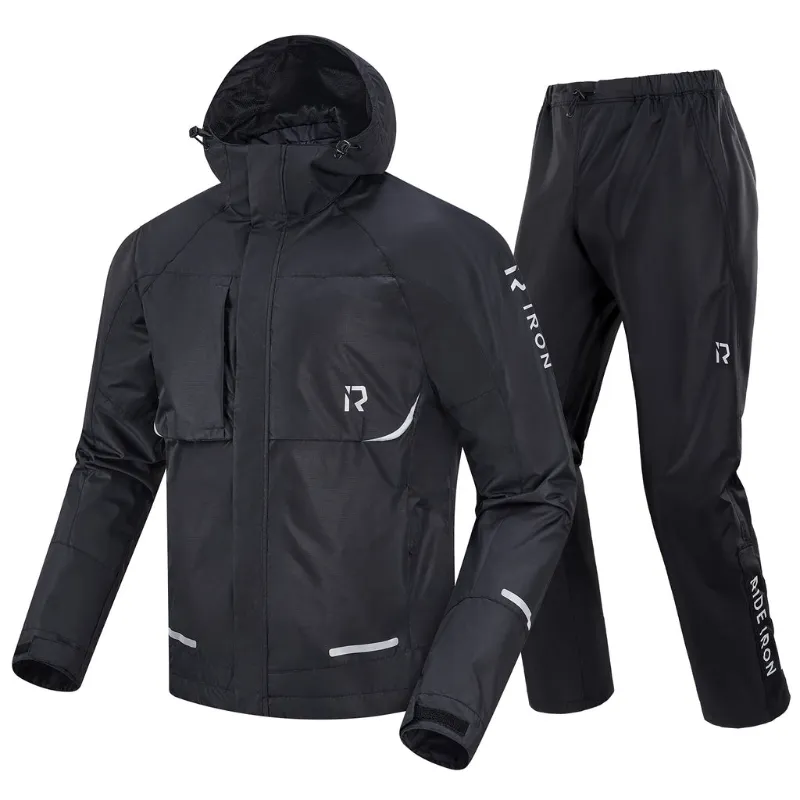
- Waterproofing: A bonded membrane (like Gore-Tex or Hipora) keeps you dry without a separate rain layer. Budget options use a removable waterproof liner. If you ride in heavy rain, add a dedicated motorcycle rain suit or motorcycle wet weather suit for full coverage.
- Ventilation: Chest and back vents with YKK zippers allow airflow on hot days. Mesh panels work well for commuting but reduce protection.
- Thermal liners: Removable quilted or fleece liners extend the season. Combine with moto heated gloves or motorbike gloves heated for cold-weather rides.
- Collar and cuff seals: Neoprene or elastic cuffs block wind and rain from creeping in. A tall collar with a chin guard prevents neck drafts at speed.
If you need one jacket for all conditions, look for a three-layer system: a waterproof shell, a removable thermal liner, and vents that actually move air. Check the latest price on multi-season options before committing.
Get the Fit Right: Sizing and Comfort Checks
A jacket that doesn't fit correctly won't protect you properly. Here's how to nail the sizing:
- Arm length: Reach forward as if gripping handlebars. The sleeves should cover your wrists completely without pulling the shoulders back.
- Torso length: The jacket should overlap your pants by at least four inches when seated in a riding position. Short jackets expose your lower back.
- Shoulder fit: Armor should sit over the joint, not halfway down your arm. If it shifts, size down or try a different cut.
- Range of motion: Twist, lean, and raise your arms. The jacket should move with you without binding or riding up.
Most brands size true to US standards, but European cuts often run slimmer. Order one size up if you plan to layer a hoodie or thermal base underneath. And if you're shopping for additional gear like a motorcycle bag or motorcycle tail bag, factor in whether your jacket has loops or anchor points for secure attachment.
Consider Value and Long-Term Durability
Quality jackets range from entry-level textile at two hundred dollars to premium leather exceeding a thousand, but price alone doesn't dictate value. We evaluate:
- Stitching and zippers: Reinforced seams and YKK zippers outlast cheaper hardware. Check the stress points at shoulders and elbows.
- Warranty and brand reputation: Established manufacturers back their products. Read independent reviews like Road & Track's annual roundup for real-world testing.
- Repair and replacement parts: Can you buy replacement armor or zippers? Leather can be reconditioned; textile panels can sometimes be patched.
Before you buy, grab the code for Rideiron's current sitewide discount. A ten percent savings on a mid-tier jacket often delivers better long-term value than a cheap option at full price.
Your riding style dictates your priorities, but every rider deserves a jacket that fits properly, meets modern safety standards, and handles the weather you actually face. Take the time to try options in a riding position, verify the armor certifications, and choose materials that match your most frequent use case. The right jacket makes every ride safer and more enjoyable.
Frequently asked questions
What type of jacket is best for daily motorcycle commuting?
A lightweight textile or mesh jacket with CE-rated armor and reflective strips works best for commuting. Look for easy ventilation and a fit that layers over work clothes without bulk.
Is leather or textile better for a motorcycle jacket motorcycle?
Leather offers superior abrasion resistance, especially for sport and cruiser riding, while textile provides better weather versatility, lighter weight, and built-in waterproofing. Choose based on your primary riding conditions and speed.
Do I really need CE-rated armor in my riding jacket?
Yes. CE Level 1 or Level 2 armor is independently tested for impact absorption and significantly reduces injury risk in a crash. Foam inserts without certification provide minimal protection.
How should a motorcycle jacket fit when I'm on the bike?
Sit in a riding position and reach forward. Sleeves should fully cover your wrists, the torso should overlap your pants by four inches, and shoulder armor should stay centered over the joint without shifting.
Can I wear a motorcycle rain suit over my regular jacket?
Yes. A separate rain suit adds waterproofing to any jacket and is ideal if you ride in occasional heavy rain but don't want to pay for a built-in membrane year-round.
How do I keep warm on cold rides without buying a new jacket?
Add heated gloves, a thermal base layer, and a windproof neck gaiter. Many riders also upgrade to a jacket with a removable thermal liner for versatility across seasons.