
What to Pack in Your Motorcycle Tail Bag for Long Rides

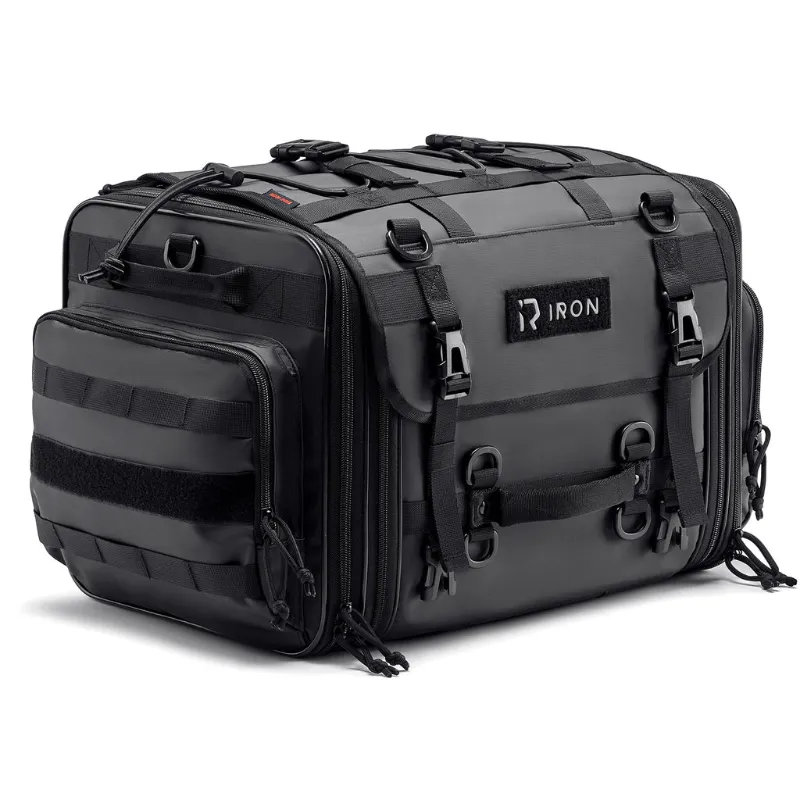
What to Pack in Your Motorcycle Tail Bag for Long Rides
A motorcycle tail bag is your most accessible storage option on multi-day rides, sitting within arm's reach behind your seat. We recommend packing high-rotation items you need frequently—weather layers, navigation tools, snacks, and emergency gear—while reserving panniers or top cases for bulkier clothing and camping equipment. The right packing strategy keeps your ride smooth and your essentials organized.
Essential Weather Protection Gear
Weather changes fast on the road, and your tail bag should hold the layers you grab most often. Start with a compact motorcycle rain suit or motorcycle wet weather suit that packs down small but deploys quickly when clouds roll in. Both options seal out water without adding bulk.
Add a lightweight wind layer or packable shell if your primary motorcycle riding jackets run warm in summer heat. For cold-weather touring, heated motorcycle gloves or moto heated gloves fit easily in most waterproof motorcycle tail bag compartments and make early-morning starts tolerable. Check current pricing and our discount code before you stock up on seasonal layers.
If you ride year-round, keep a neck gaiter, lightweight glove liners, and a microfiber towel in rotation. These items compress well and solve comfort problems before they derail your day.
Navigation and Communication Essentials
Pack your phone charger, USB battery bank, and a waterproof pouch for electronics. Even if your bike has a power port, a backup battery keeps your GPS running if you park to explore or camp overnight. Store charging cables in a small zippered pouch to prevent tangling.
Carry a paper map or downloaded offline route as backup navigation. Cell coverage drops in remote areas, and a physical map doesn't depend on battery life. Tuck it into a flat pocket or slip it under your tail bag's compression straps.
If you use a Bluetooth intercom or action camera, pack spare batteries or a secondary charging cable. Long ride days drain electronics faster than daily commutes, and redundancy keeps you connected.
Tools and Emergency Repair Items
A best motorcycle tail bag setup includes compact tools and spares matched to your bike. We pack:
- Tire repair kit with plugs and CO2 cartridges
- Multi-tool with hex keys and screwdrivers
- Zip ties and duct tape
- Spare fuses and bulbs
- Chain lube (if applicable)
Nelson Rigg and other makers design motorcycle tail bag waterproof compartments that protect tools from road spray. Store metal items in a padded pouch to prevent rattling or scratching your bag's interior.
Add a compact first-aid kit with bandages, antiseptic wipes, pain relievers, and any personal medications. Separate it into a bright-colored stuff sack so you can spot it instantly. For multi-day trips, include sunscreen, lip balm, and blister treatment—small items that solve big problems.
Snacks, Hydration, and Comfort Items
Long rides demand fuel. Pack high-calorie snacks that won't melt or crumble: nuts, energy bars, jerky, and dried fruit. Store them in a waterproof bag or hard case to keep moisture and road dust out. A small motorcycle tail bag backpack-style model often includes an insulated pocket for cold drinks or perishable snacks.
If your bike doesn't have a hydration system, pack a collapsible water bottle or bladder. Staying hydrated prevents fatigue and keeps your focus sharp through long highway stretches. Refill at every fuel stop.
Add comfort extras based on your ride style: earplugs (if you don't use them already), sunglasses or a tinted visor, hand warmers for shoulder-season trips, or a small microfiber cloth to clean your helmet visor. These items weigh almost nothing but improve ride quality on tough days.
Choosing the Right Tail Bag Size and Style
Capacity matters. A motorcycle tail bag small enough for weekend trips (10–15 liters) keeps weight low and handling neutral but forces you to edit ruthlessly. Mid-size bags (20–30 liters) suit week-long tours and hold extra layers without overloading your rear suspension. Some models expand via zippered panels, giving you flexibility as your load changes.
Look for bags with multiple compartments to separate clean from dirty, wet from dry, and tools from soft goods. External pockets keep frequently accessed items within reach without unpacking the main compartment. A motorcycle tail bag for helmet storage or a dedicated shoe compartment helps if you swap motorcycle riding shoes for casual footwear at stops.
Mounting style affects packing, too. Seat-mounted bags strap directly to your passenger seat or rear fender, while tunnel-mounted options sit lower and balance weight better on sportbikes. Some riders prefer a motorcycle tail bag with backrest padding for passenger comfort or solo support on long slabs.
Packing Tips for Balance and Access
Load heavy items—tools, spare parts, canned food—low and centered to keep your bike stable. Place soft, light layers like a bike jacket or rain gear on top where they compress under the bag's straps or lid. This arrangement lowers your center of gravity and prevents the tail from feeling top-heavy in corners.
Use compression straps or packing cubes to eliminate dead space. A loosely packed bag shifts weight and rattles, affecting handling and wearing through fabric faster. Cinch everything down until the bag feels firm but not over-stuffed.
Keep your most-used items in external pockets or the top layer: your rain suit, a snack, your phone battery, and a microfiber cloth. You should be able to grab these without dismounting or unpacking the entire bag. If you stop frequently for photos or sightseeing, this access strategy saves time and frustration.
For trips longer than a weekend, rotate items between your tail bag and other luggage. Store your leather riding jacket or extra motorcycle jacket in a pannier or top case, and reserve your tail bag for the layers and tools you touch every day. Grab our discount code to save on a full luggage setup if you are expanding your gear.
Final Thoughts
A well-packed motorcycle bag transforms long rides by keeping essentials accessible and organized without compromising bike handling. Focus on weather protection, backup navigation, compact tools, and high-energy snacks—then edit ruthlessly to fit your bag's capacity. Test your packing strategy on a weekend shakedown ride to refine your system before committing to a multi-day tour. Our testing shows that riders who dial in their tail bag setup spend less time searching for gear and more time enjoying the road.
Frequently asked questions
What size motorcycle tail bag do I need for a week-long trip?
A 20 to 30 liter tail bag works well for week-long rides if you pack efficiently and use panniers or a top case for bulkier clothing. Smaller 10 to 15 liter bags suit weekend trips or minimalist touring.
Should I pack my rain suit in my tail bag or panniers?
Always pack your rain suit in your tail bag for quick access. Weather changes fast on the road, and you need to deploy rain gear without dismounting or unpacking side luggage.
How do I keep tools from rattling in my motorcycle tail bag?
Store metal tools in a padded pouch or wrap them in a microfiber cloth. Waterproof motorcycle tail bags with internal dividers also help isolate hard items from soft gear and reduce noise.
Can a motorcycle tail bag hold a full-face helmet?
Some larger tail bags include helmet compartments or external cargo nets that secure a helmet. Check the bag's specs for helmet storage features, or use a dedicated helmet lock and pack other gear in the bag.
What is the difference between a seat-mounted and tunnel-mounted tail bag?
Seat-mounted bags strap to your passenger seat or rear fender and offer higher capacity. Tunnel-mounted bags sit lower between the seat and rear wheel, improving weight distribution and aerodynamics on sportbikes.
How do I balance weight in my tail bag for better handling?
Load heavy items like tools and spare parts low and centered in the bag. Place light, compressible layers on top and use compression straps to eliminate shifting. This keeps your center of gravity stable through corners.