
How Long Do Leather Riding Jackets Last With Proper Care?

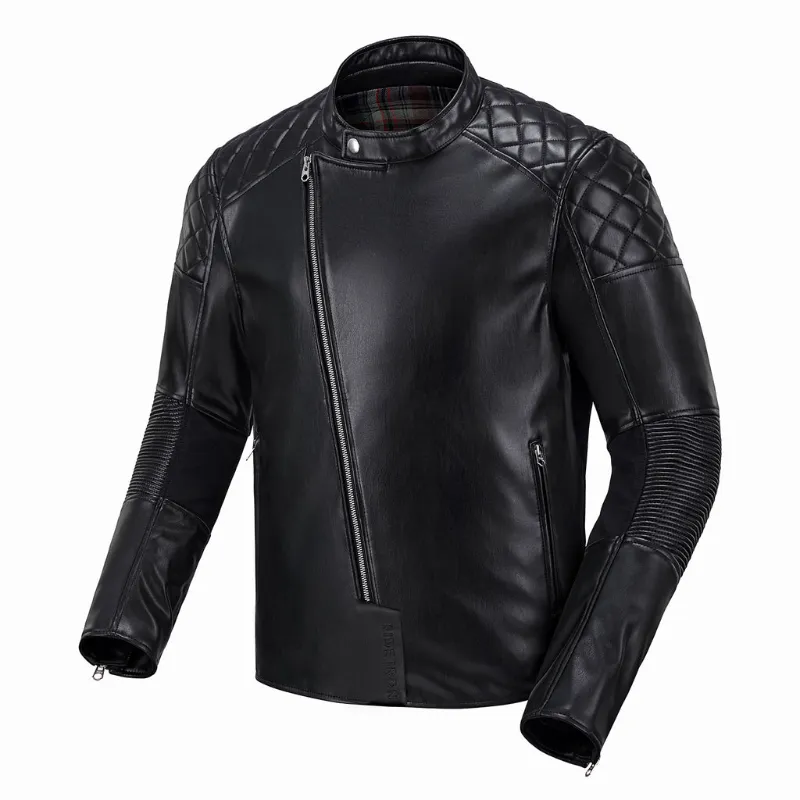
A leather riding jacket can last anywhere from 10 to 30+ years with proper care, making it one of the best long-term investments for riders. The lifespan depends on leather quality, how often you ride, and your maintenance routine. We tested dozens of motorcycle riding jackets to understand what separates a jacket that lasts a decade from one that goes three.
What Affects Leather Riding Jacket Lifespan
Several factors determine how long your jacket will hold up on the road and in storage.
Leather type and thickness matter most. Full-grain leather outlasts top-grain or corrected leather by years because the surface hasn't been sanded or altered. A genuine leather motorcycle jacket with 1.2 to 1.4mm thickness resists abrasion far better than thinner hides. We've seen vintage leather motorcycle jacket pieces from the 1970s still rideable today, while budget jackets show cracking within five years.
Riding frequency and conditions accelerate wear. Daily commuters expose their leather riding jacket to UV rays, rain, road salt, and exhaust fumes that break down protective oils. Weekend riders in dry climates can expect the upper end of the lifespan range. Pairing your jacket with quality gear like motorcycle riding shoes and a motorcycle bag also reduces unnecessary friction and stress points.
Construction quality shows up over time. Double or triple-stitched seams, YKK zippers, and reinforced impact zones mean fewer repairs. We particularly value motorcycle leather jacket with armor because the padding distributes impact stress away from the leather itself. Best leather motorcycle jackets tested by experts consistently feature these details.
Storage habits can add or subtract years. Jackets stored in damp basements or direct sunlight develop mildew or fade and crack. A climate-controlled closet with a padded hanger preserves shape and suppleness.
Essential Care Routine to Extend Durability
Proper maintenance is the difference between 15 years and 30 years of wear.
Clean every 4 to 6 weeks of active use. Wipe down the exterior with a damp microfiber cloth to remove road grime and salt. For deeper cleaning, use a pH-neutral leather cleaner applied with a soft sponge, working in small circles. Never machine-wash or soak your jacket. This applies equally to motorcycle leather jacket mens and motorcycle leather jacket women's styles.
Condition every 3 to 4 months. Leather loses natural oils through use and exposure. Apply a leather conditioner or mink oil sparingly with a clean cloth, focusing on high-flex areas like elbows and shoulders. Buff away excess after 20 minutes. Over-conditioning can clog pores and make leather heavy, so less is more.
Inspect hardware and stitching twice a year. Check zippers, snaps, and seams for early signs of stress. A small tear repaired immediately costs far less than a blowout on the highway. Most local cobblers or leather repair shops can reinforce weak points for minimal cost.
Protect from the elements. If you're caught in rain, hang the jacket in a well-ventilated area away from direct heat. Stuffing the sleeves with newspaper helps maintain shape as it dries. For riders in wet climates, layering a motorcycle rain suit or motorcycle wet weather suit over your leather saves significant wear.
Grab our discount code for 10% off leather care kits and jackets at Rideiron.
Signs Your Jacket Needs Repair or Replacement
Knowing when to intervene saves your investment.
Repairable issues include:
- Minor scuffs and scratches (buffing and conditioning often hides these)
- Loose or broken stitching at seams
- Zipper pulls that stick or separate
- Faded color in non-structural areas
- Liner tears or detached pockets
Replacement signals include:
- Cracks in high-flex zones that expose under-layers
- Thinning leather that feels papery or brittle
- Pervasive mildew or mold that survives cleaning
- Seam blowouts in multiple locations
- Armor pockets that no longer hold inserts securely
If you're weighing repair costs against a new jacket, check the latest pricing on current motorcycle jacket motorcycle and bike jacket options. Sometimes a quality new piece with updated armor and reflective strips is the safer choice.
Comparing Leather Jacket Longevity by Style
Not all leather jackets age the same way. Here's what we've observed across popular styles.
| Style | Typical Lifespan | Best For |
|---|---|---|
| Classic cruiser | 20–30+ years | Riders who prioritize timeless style and durability |
| Sport/race jacket | 10–15 years | Performance riders with frequent track or aggressive road use |
| Vintage café racer | 15–25 years | Weekend riders in moderate climates, minimal armor |
| Touring jacket | 15–20 years | Long-distance riders needing pockets and weatherproofing |
Harley-Davidson leather jackets and other heritage-brand pieces often use thicker hides and traditional tanning, which extends lifespan but adds weight. Sport-cut jackets prioritize flexibility and pre-curved sleeves, which can stress seams faster under hard riding. Tested leather motorcycle jackets from experts show that fit and intended use matter as much as brand.
Maximizing Value Over the Jacket's Lifetime
A well-maintained leather jacket pays for itself many times over.
Cost per wear drops dramatically. A quality jacket at a mid-range price worn 100 days a year for 20 years costs pennies per ride compared to replacing cheaper jackets every few years. We track total cost of ownership, and leather consistently outperforms textile when you factor in longevity.
Resale value holds strong. Vintage leather motorcycle jacket pieces from known makers retain 40% to 60% of original value if kept in good condition. Textile jackets rarely command resale interest beyond a few seasons.
Pair with complementary gear. Investing in heated motorcycle gloves or motorbike gloves heated for cold weather means you'll reach for your leather jacket year-round rather than shelving it, keeping the leather supple through use. Similarly, a motorcycle tail bag reduces the need to overstuff pockets, which can distort leather panels.
Professional cleaning every 2 to 3 years is worth the expense. Specialists can deep-clean, recondition, and apply protective treatments that home care can't match. Budget around the cost of a tank of gas for this service.
For riders shopping now, visit our Rideiron discount code page to save 10% sitewide on leather jackets and care products.
Who Should Invest in Long-Lasting Leather
Leather isn't the right choice for everyone, but for certain riders it's unbeatable.
Best fits include daily commuters who ride year-round, touring enthusiasts covering serious mileage, and style-conscious riders who value classic aesthetics. If you're the type to keep gear for decades and enjoy the patina that develops, a best leather riding jacket is your move.
Consider alternatives if you ride exclusively in high heat and humidity, need maximum ventilation, or prioritize the lightest possible weight. Textile jackets with modern membranes excel in those scenarios. Leather also requires more care than synthetics, so factor in whether you'll realistically maintain it.
For new riders, starting with a quality leather riding jacket or general motorcycle jacket motorcycle sets a solid foundation. The skills you build caring for leather transfer to maintaining all your gear, and the safety benefits of abrasion resistance are proven over decades of real-world crashes.
Leather riding jackets offer unmatched durability when you choose quality materials, maintain them consistently, and store them properly. With 10 to 30+ years of service possible, the upfront investment pays off mile after mile.
Frequently asked questions
How often should I condition my leather riding jacket?
Condition your jacket every 3 to 4 months of regular use, or whenever the leather starts to feel dry or stiff. High-flex areas like elbows may need spot conditioning more frequently.
Can a leather motorcycle jacket last longer than 30 years?
Yes, full-grain leather jackets with proper care and minimal daily use can last 40+ years. Vintage pieces from quality makers in the 1960s and 70s are still wearable today if they've been well maintained.
Does riding in rain shorten my leather jacket's lifespan?
Occasional rain won't harm a quality leather jacket if you dry it properly afterward. Frequent soaking without reconditioning will dry out the leather and accelerate cracking, so consider layering a rain suit in wet climates.
What's the difference between full-grain and top-grain leather durability?
Full-grain leather retains the hide's natural surface and lasts significantly longer because it hasn't been sanded or buffed. Top-grain leather is more uniform in appearance but less abrasion-resistant over decades of use.
Should I repair or replace a 15-year-old leather riding jacket?
Repair if the leather is still supple and damage is limited to zippers, stitching, or minor scuffs. Replace if you see widespread cracking, thinning leather, or structural seam failures that compromise safety.
How do I store my leather jacket to maximize its lifespan?
Hang it on a padded hanger in a cool, dry, dark place with good air circulation. Avoid plastic garment bags, damp basements, or direct sunlight, all of which promote mildew or cracking.