
Do Denim Motorcycle Jackets Offer Enough Protection?

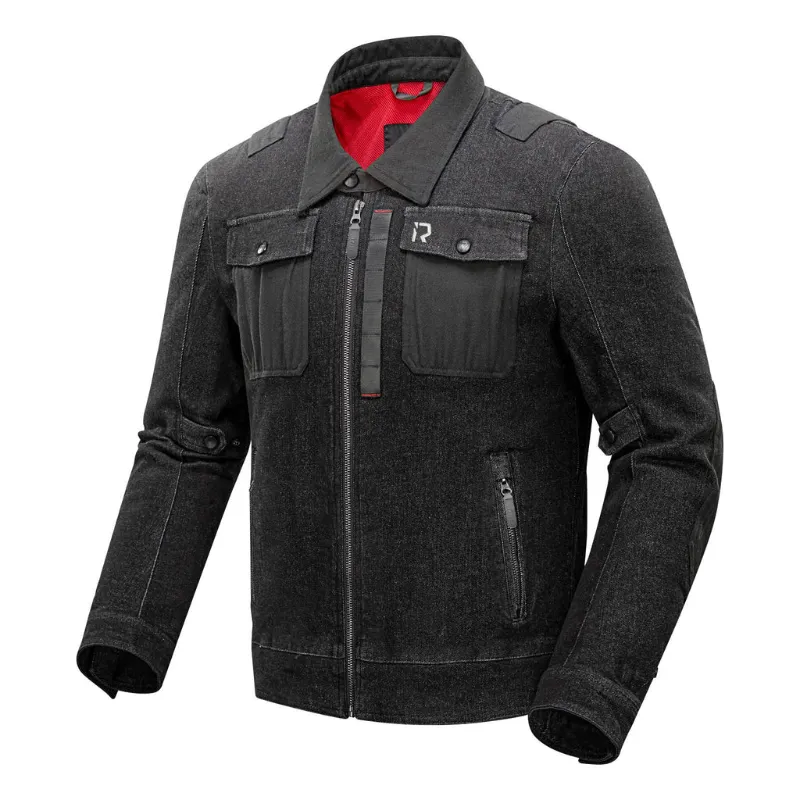
Do Denim Motorcycle Jackets Offer Enough Protection?
A motorcycle jacket motorcycle constructed from denim provides casual style and breathability, but it doesn't deliver the same level of abrasion resistance or impact protection as dedicated riding gear like a leather riding jacket or armored textile option. While denim jackets can handle minor scrapes and light tumbles, they're not engineered for high-speed slides or serious impacts. We tested several denim and hybrid options against traditional motorcycle riding jackets to help you understand where denim fits in your gear lineup.
Abrasion Resistance: Where Denim Falls Short
Standard denim fabric tears more easily than motorcycle-grade materials when dragged across asphalt at speed. Most casual denim jackets use 12 to 14 oz denim, which abrades through in under two seconds of sliding at highway speeds. By contrast, motorcycle-specific leather typically withstands four to six seconds of abrasion, and Kevlar-reinforced textiles can last even longer.
Some manufacturers now offer reinforced denim jackets with aramid fiber (Kevlar or Dyneema) woven into high-wear zones like shoulders, elbows, and back. These hybrid designs significantly improve abrasion performance, but they still rank below dedicated motorcycle jacket motorcycle options built with full-grain leather or ballistic nylon. If you're considering a denim look, prioritize models with CE-rated armor pockets and aramid reinforcement panels.
Impact Protection and Armor Compatibility
Crash protection depends on two layers: abrasion resistance and impact armor. Even the toughest denim won't stop your elbow or shoulder from breaking on impact without proper armor inserts. Many fashion-oriented denim jackets lack armor pockets entirely, leaving you vulnerable in a collision.
Look for denim jackets with:
- CE-rated shoulder and elbow armor (Level 1 minimum, Level 2 preferred)
- Removable back protector pocket for CE Level 2 spine armor
- Snug armor fit so protectors stay in place during a slide
- Adjustable straps at waist and arms to prevent the jacket from riding up
D3O armor technology has become the gold standard for impact protection, and several hybrid denim jackets now ship with D3O-compatible pockets. If your denim jacket doesn't include armor, budget separately for CE-rated inserts before your first ride.
When Denim Makes Sense for Riders
Denim jackets work best for low-speed urban commutes, short café runs, and casual weekend rides where you prioritize style and comfort over maximum protection. They pair well with other protective gear like a motorcycle rain suit for wet conditions or heated motorcycle gloves in cooler weather.
Consider denim if:
- You ride primarily in city traffic at speeds under 40 mph
- You want a jacket that looks natural off the bike
- You already own a dedicated bike jacket for highway or spirited riding
- You're willing to invest in aramid-reinforced denim with armor pockets
For longer trips or highway miles, pack a proper riding jacket in your motorcycle tail bag and switch gear when you reach higher-speed roads. Many experienced riders keep both a casual denim option and a full-protection jacket in their rotation.
Comparing Denim to Leather and Textile Options
| Material | Abrasion Time | Impact Armor | Weather Resistance | Style Versatility |
|---|---|---|---|---|
| Standard Denim | 1-2 seconds | Rarely included | Poor in rain | High off-bike |
| Reinforced Denim | 3-4 seconds | Optional pockets | Moderate | High off-bike |
| Leather | 4-6 seconds | Standard pockets | Good with treatment | Moderate |
| Textile (Cordura/Kevlar) | 5-7 seconds | Standard pockets | Excellent | Low off-bike |
Professional riders surveyed by Road & Track overwhelmingly choose leather or textile jackets for spirited riding, reserving denim for low-risk scenarios. The performance gap narrows with premium reinforced denim, but even the best hybrid models trade some protection for comfort and style.
If you're shopping for a denim jacket, check the latest discount to save 10% on reinforced options that include armor pockets. Pair your jacket with protective motorcycle riding shoes and motorbike gloves heated for a complete cold-weather setup that doesn't sacrifice safety.
Care and Maintenance for Denim Riding Gear
Denim jackets require different care than leather or textile gear. Wash reinforced denim inside-out in cold water to preserve aramid fibers, and always remove armor inserts before laundering. Air-dry only, as high heat can degrade protective panels and cause shrinkage that affects armor fit.
Inspect stitching and reinforcement panels every few months, especially after any slide or fall. Even minor abrasion can compromise the jacket's protective capability in a future crash. If you notice fraying in reinforced zones, retire the jacket or send it for professional repair.
Apply a durable water repellent (DWR) treatment annually to improve weather resistance, and store your jacket on a padded hanger away from direct sunlight to prevent fading and fiber breakdown. A well-maintained reinforced denim jacket can last three to five seasons of regular use, but always prioritize safety over sentimental attachment if the fabric shows significant wear.
The Bottom Line on Denim Motorcycle Jackets
Denim motorcycle jackets offer a stylish, comfortable option for casual riders who prioritize off-bike wearability, but they fall short of the protection provided by purpose-built leather and textile gear. If you choose denim, invest in aramid-reinforced models with CE-rated armor, keep your speeds moderate, and save high-performance rides for a dedicated motorcycle jacket motorcycle designed for serious protection.
For riders building a versatile gear collection, start with a solid leather or textile jacket for highway use, then add a reinforced denim option for low-speed urban riding. Browse current options and grab the code to save on both styles, and consider pairing your jacket with a motorcycle bag to carry extra gear when conditions change. Your choice of jacket should always match the risks of your ride.
Frequently asked questions
Can a motorcycle jacket motorcycle made from denim protect me in a crash?
Standard denim offers minimal crash protection, but reinforced denim jackets with aramid fiber panels and CE-rated armor provide moderate protection for low-speed urban riding. For highway speeds or spirited riding, leather or textile jackets remain the safer choice.
What's the difference between regular denim and motorcycle denim?
Motorcycle denim incorporates aramid fibers like Kevlar or Dyneema woven into high-impact zones, dramatically improving abrasion resistance. It also includes armor pockets for CE-rated shoulder, elbow, and back protectors, which fashion denim jackets lack entirely.
Do I need to add armor to my denim motorcycle jacket?
Yes, if your jacket has armor pockets. Impact protection requires CE-rated armor inserts at shoulders, elbows, and back. Even reinforced denim won't prevent broken bones without proper armor, so budget for inserts if they're not included.
How do I care for a reinforced denim riding jacket?
Wash inside-out in cold water, remove armor before laundering, and air-dry only. Apply DWR treatment annually for water resistance, and inspect stitching and reinforcement panels regularly for signs of wear or damage.
When should I wear denim instead of a leather motorcycle jacket?
Denim works best for low-speed city commutes under 40 mph where you want off-bike style and comfort. For highway riding, track days, or spirited runs, a leather or textile jacket provides significantly better abrasion and impact protection.
Are aramid-reinforced denim jackets worth the extra cost?
Yes, if you plan to ride in the jacket regularly. Aramid reinforcement triples abrasion resistance compared to standard denim and brings performance closer to entry-level textile gear, making it a worthwhile upgrade for safety-conscious riders who prefer the denim aesthetic.