
How to Clean and Maintain Your Baby's Sensory Water Mat

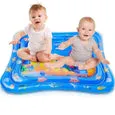
How to Clean and Maintain Your Baby's Sensory Water Mat
A sensory water mat delivers hours of tummy time fun, but proper cleaning and maintenance keep it safe, hygienic, and leak-free for months of play. We tested dozens of activity mats and found that a simple routine extends lifespan dramatically while preventing mold, leaks, and bacterial buildup.
Daily Cleaning for Your Sensory Water Mat
After each tummy time session, wipe down the mat to remove drool, spit-up, and surface grime before they settle into the seams.
- Deflate or drain the mat completely after use
- Wipe both sides with a damp microfiber cloth and mild dish soap
- Dry thoroughly with a clean towel, paying extra attention to valve areas and seams
- Air-dry flat for 10 to 15 minutes before storing to prevent moisture buildup
Daily wiping takes less than two minutes and stops bacteria from multiplying between play sessions. We recommend pairing your sensory water mat with a clean play blanket underneath to catch spills and reduce floor contact.
Deep Cleaning and Disinfecting Once a Week
Weekly deep cleaning tackles invisible bacteria and keeps the mat fresh for sensitive baby skin.
What you need:
- Warm water (not hot, which can damage PVC seals)
- Baby-safe disinfectant or white vinegar solution (1 part vinegar to 3 parts water)
- Soft sponge or cloth (never abrasive scrubbers)
Steps:
- Empty all water and press gently to remove trapped moisture
- Mix your cleaning solution in a spray bottle
- Spray the entire surface, front and back, avoiding the inflation valve
- Let sit for 3 to 5 minutes to kill germs
- Wipe clean with a damp cloth and rinse thoroughly
- Dry completely before refilling or storing
For families using the mat multiple times a day or for babies with sensitive skin, consider disinfecting after every other use. Check the latest Babies Mart discount code for 10% off cleaning supplies and replacement mats.
Preventing Leaks and Extending Mat Lifespan
Most parents report leaks after 3 to 6 months, but proper handling pushes that timeline to a year or longer.
Leak prevention tips:
- Inspect seams weekly for tiny cracks or separation before they grow
- Avoid overfilling (fill to 70-80% capacity, not drum-tight)
- Keep away from pets and sharp toys during play
- Store flat or gently rolled, never folded or creased, which stresses seams
- Use on soft surfaces like carpet or a play mat, not rough concrete or wood
If you spot a small leak, dry the area completely and apply a vinyl repair patch (available at most hardware stores). For larger tears or persistent leaks, replacement is safer than risking mold growth inside the mat.
The best tummy time mat for newborns combines durability with easy maintenance, so prioritize mats with reinforced double-stitched seams and BPA-free materials that resist punctures.
Storage Best Practices Between Play Sessions
Improper storage invites mold, mildew, and premature wear, especially in humid climates.
- Always store dry (even a few drops of trapped water breed bacteria)
- Roll loosely rather than folding to avoid crease damage
- Store upright or flat in a cool, dry spot away from direct sunlight
- Avoid stacking heavy items on top, which can stress the seals
We keep our test mats in a mesh storage bag that allows airflow and prevents dust buildup. If you live in a humid area, toss a silica gel packet into the storage bag to absorb excess moisture.
For parents juggling multiple baby gear items like a cradle recliner or infant soft helmet, dedicate one shelf or bin to activity mats so they stay organized and easy to access for daily tummy time.
Choosing a Low-Maintenance Sensory Water Mat
Not all mats require the same level of care. When shopping, look for features that simplify cleaning and reduce long-term maintenance.
| Feature | Why It Matters |
|---|---|
| Seamless construction | Fewer seams mean fewer leak points and easier wiping |
| Wide fill valve | Drains faster and reduces trapped water after cleaning |
| Non-toxic PVC or TPU | Resists bacterial growth better than cheaper plastics |
| Bright, printed designs | Hides minor stains better than solid colors |
The best tummy time water mat balances engaging visuals with durable, easy-to-clean materials. We recommend reading water tummy time mat instructions carefully when you first unbox, as some models have specific cleaning restrictions (like temperature limits or approved cleaner types).
Grab our exclusive code to save 10% on your next sensory water mat purchase and try a model designed for minimal upkeep.
When to Replace Your Baby's Water Mat
Even with perfect care, wear and tear eventually make replacement necessary for safety and hygiene.
Replace your mat if you notice:
- Persistent musty odor even after deep cleaning (indicates internal mold)
- Multiple leaks or patches that no longer hold
- Discoloration or cloudiness in the water chamber
- Seam separation wider than 1-2 millimeters
- Sticky or degraded plastic texture
Most sensory water mats for babies last 6 to 12 months with regular use. Rotating between two mats extends lifespan by reducing daily wear on each one. Pair your mat rotation with other sensory activities using items like a galaxy light or astronaut projector to keep tummy time fresh and engaging while giving each mat a rest day.
For children with heightened sensory needs, a sensory water mat for autism offers calming visual and tactile input, making proper maintenance even more critical to ensure consistent, safe play. Authority resources like this guide to baby sensory play offer additional context on developmental benefits and age-appropriate activities.
By following this simple cleaning routine and storage protocol, your sensory water mat stays safe, fresh, and ready for daily tummy time adventures well beyond the typical lifespan.
Frequently asked questions
How often should I clean my baby's sensory water mat?
Wipe down your mat after every use with a damp cloth and mild soap. Deep clean with a baby-safe disinfectant or vinegar solution once a week to kill bacteria and prevent mold buildup.
Can I put a sensory water mat in the washing machine?
No, never machine-wash a water mat. The agitation and heat can damage seals and cause leaks. Always hand-wash with a soft cloth, mild soap, and warm water.
How do I fix a small leak in my water mat?
Dry the area completely, then apply a vinyl repair patch (available at hardware stores) over the leak. Press firmly and let cure for 24 hours before refilling. Replace the mat if leaks persist or grow larger.
What is the best way to store a sensory water mat between uses?
Drain and dry the mat completely, then roll it loosely (never fold) and store flat or upright in a cool, dry place away from direct sunlight. Ensure no moisture remains to prevent mold.
How long does a baby water mat typically last?
With proper cleaning and storage, most sensory water mats last 6 to 12 months of regular use. Replace sooner if you notice persistent odors, multiple leaks, or seam separation.
Can I use bleach to disinfect my baby's water mat?
Avoid bleach, which can degrade PVC and leave harsh residue. Use a baby-safe disinfectant or a diluted white vinegar solution (1 part vinegar to 3 parts water) instead for safe, effective cleaning.