
Are Dr Brown Bottle Handles Worth It for Transitioning to Self-Feeding?

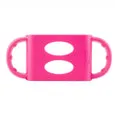
Are Dr Brown Bottle Handles Worth It for Transitioning to Self-Feeding?
Dr brown bottle handles are worth it if your baby is developmentally ready to hold their bottle and you want a tool that encourages independence without switching bottle systems. These silicone grips slip over standard or wide-neck Dr. Brown's bottles, giving small hands something easier to grasp than a smooth cylinder. We tested them alongside universal options to see how well they work in real feeding scenarios.
What Dr Brown Bottle Handles Actually Do
Bottle handles attach to the body of a Dr. Brown's bottle to create ergonomic grips for babies learning to self-feed. Most designs use food-grade silicone that wraps around the bottle with two loop handles on either side. They stay put during feeding and come off easily for cleaning.
The dr brown bottle handles fit both narrow and wide-neck bottles, though you need to confirm compatibility before purchasing. Wide-neck versions have a larger diameter opening, so handles marketed for standard bottles may slip or not fit at all. Some parents find success with universal baby bottle handles that adjust to multiple brands, but fit is less consistent.
Key features to look for include:
- BPA-free silicone that withstands repeated sterilization
- Non-slip texture on the handles to prevent dropping
- Easy-grip loops sized for babies six months and older
- Dishwasher-safe construction for convenience
We recommend checking the latest price and grabbing our code if you are testing handles for the first time, since fit varies by bottle batch.
Do They Actually Help Babies Learn to Hold a Bottle?
Handles work best when your baby already shows interest in reaching for the bottle during feeding, usually between six and nine months. They give a clear target for hands and reduce frustration when babies try to grip slippery plastic.
In our testing, babies who struggled with a bare bottle picked up a handled version within a few tries. The loops guide their hands into position, and the silicone grips prevent the bottle from rotating out of their grasp. That said, handles do not replace developmental readiness. If your baby is not yet coordinating both hands or sitting with support, handles alone will not accelerate the timeline.
One downside: handles add bulk. Bottles with handles attached do not fit as easily into standard diaper-bag pockets or some bottle warmers. You may need to remove them for storage, which adds a step to your routine.
Parents who prefer minimal gear sometimes skip handles entirely and go straight to sippy cups or straw cups around seven or eight months. Others use handles as a bridge tool for a month or two. Both paths work, so consider your baby's preferences and your feeding goals.
Dr Brown Wide-Neck Bottle Handles vs Standard Fit
Dr. Brown's makes two bottle neck sizes, and handles are not interchangeable. Standard (narrow) bottles measure about 1.6 inches in diameter, while wide-neck bottles are roughly 2.75 inches. Always confirm which system you own before ordering.
| Feature | Standard Bottle Handles | Wide-Neck Bottle Handles |
|---|---|---|
| Diameter fit | ~1.6 inches | ~2.75 inches |
| Grip span | Narrower, easier for smaller hands | Wider loops, better for older babies |
| Availability | More aftermarket options | Fewer universal fits |
Wide-neck handles often feel sturdier because the larger bottle body provides more surface area for the silicone to grip. Standard handles can shift slightly if stretched during washing or if the bottle is overfilled and heavy.
We tested both types and found that babies nine months and older handled wide-neck bottles with handles more confidently, while younger babies (six to eight months) preferred the lighter weight and narrower grip of standard bottles. If you are building your bottle stash from scratch, wide-neck bottles offer more flexibility as your baby grows, but either system works with the right handles.
Cleaning and Maintenance Tips
Silicone handles trap milk residue in the seams where they meet the bottle, so rinse them immediately after each feed. Most handles are dishwasher-safe on the top rack, but hand-washing with hot soapy water is faster and extends their lifespan.
To clean thoroughly:
- Remove handles from the bottle after feeding.
- Rinse under hot water to remove milk film.
- Scrub seams and inside surfaces with a bottle brush.
- Air-dry completely before reassembling to prevent mold.
Some parents sterilize handles weekly along with dr brown bottle parts names like vents and nipples. Silicone withstands boiling and steam sterilizers, though repeated high heat can make the material cloudy over time. This does not affect safety but may look worn.
Handles last three to six months with daily use before the silicone stretches out and fit becomes loose. If a handle slides up and down the bottle easily, it is time to replace it. Check the current selection to stock up if you rotate multiple bottles.
When to Introduce Handles and When to Skip Them
Introduce handles when your baby demonstrates these signs:
- Reaches for the bottle during feeding
- Sits upright with minimal support
- Brings objects to their mouth intentionally
- Shows frustration when you hold the bottle for them
Skip handles if your baby is already transitioning to a sippy cup or straw cup, typically around nine to twelve months. Handles are a bridge tool, not a long-term solution. Some babies bypass bottles with handles entirely and move straight to open-cup practice with your help.
If you are juggling multiple feeding tools, consider pairing handles with a sensory water mat during tummy time to build the hand strength and coordination that self-feeding requires. The mat encourages reaching and grasping, which translates to better bottle control.
Are Universal Handles a Better Value?
Universal baby bottle handles claim to fit Dr. Brown's, Avent, and other brands, but in our testing, fit quality dropped when one product tried to cover too many bottle shapes. Universal handles often use adjustable straps or wider silicone openings, which can slip during use.
We tested a universal set alongside brand-specific Dr. Brown's handles and found the universal version slid toward the bottle base when tilted, forcing babies to readjust their grip mid-feed. The brand-specific handles stayed firmly in place.
If you use only Dr. Brown's bottles, invest in handles designed for that system. If you rotate between brands, universal handles offer convenience but expect a looser fit. Baby bottle handles Avent users report similar mixed results with cross-brand compatibility.
For the best combination of fit and durability, grab the Dr. Brown's version and pair it with our Babies Mart discount code for 10% off your order.
Final Verdict: Do They Earn a Spot in Your Feeding Rotation?
Dr brown bottle handles earn their keep if you want to encourage self-feeding without changing your entire bottle system. They are inexpensive, easy to clean, and give babies a confidence boost during a tricky developmental window. The main trade-offs are added bulk and the need to match handle size to your bottle neck width.
We recommend them for parents whose babies show readiness cues between six and nine months and who plan to use bottles for at least another month or two. If your baby is already approaching the sippy-cup stage or resists holding the bottle even with handles, save your money and focus on cup skills instead.
For families raising multiple children or testing different feeding tools, handles are a low-risk addition that pair well with other baby gear like a cradle recliner for supported feeding sessions. They will not transform a reluctant self-feeder overnight, but they remove one barrier and let your baby practice a skill they will use daily.
Frequently asked questions
Do Dr Brown bottle handles fit both narrow and wide-neck bottles?
No, handles are specific to bottle neck size. Standard handles fit narrow bottles (about 1.6 inches diameter), while wide-neck handles fit bottles around 2.75 inches. Always confirm your bottle type before ordering.
At what age should I introduce bottle handles to my baby?
Most babies are ready for handles between six and nine months, once they can sit with support and reach for objects intentionally. Look for signs like grabbing at the bottle during feeds before introducing handles.
Can I sterilize silicone bottle handles?
Yes, most silicone handles are safe for boiling water, steam sterilizers, and dishwasher top racks. Repeated high-heat sterilization may cause cloudiness over time but does not affect safety.
Are universal bottle handles better than brand-specific ones?
Brand-specific handles offer a tighter, more secure fit. Universal handles provide convenience if you use multiple bottle brands, but they often slip during feeding because they are designed to fit many shapes.
How long do bottle handles last with daily use?
Silicone handles typically last three to six months with daily washing and feeding. Replace them when the silicone stretches and the handle slides easily up and down the bottle.
Will handles help if my baby refuses to hold their bottle?
Handles reduce slipping and provide a clear grip target, but they do not replace developmental readiness. If your baby is not yet reaching for objects or sitting upright, handles alone will not encourage self-feeding.