
Do Inflatable Maternity Pillows Actually Help With Pregnancy Sleep?

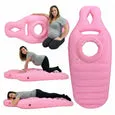
An inflatable maternity pillow can genuinely improve pregnancy sleep by letting you lie face-down or on your side with proper belly support, especially during the second and third trimesters when traditional sleeping positions become uncomfortable. We tested the pregnancy blow up pillow and inflatable maternity pillow to see how they stack up against standard wedges and full-body pillows.
How an Inflatable Maternity Pillow Works
These pillows feature a central cutout or recessed cavity that cradles your growing belly while you lie prone or at an angle. The inflatable design lets you adjust firmness and pack the pillow flat for travel. Most models use medical-grade PVC or soft-touch vinyl with a removable, washable cover.
Unlike foam wedges that force you into one position, an inflatable pregnancy mattress adapts as your body changes. You control the air pressure to match your comfort level each trimester. The pregnancy blow up pillow works particularly well for side sleepers who want extra cushioning without the bulk of a full-body pillow.
Who Benefits Most From a Belly Down Pregnancy Pillow
We found these pillows especially helpful for women who:
- Slept on their stomach pre-pregnancy and miss that position
- Experience hip or lower back pain from prolonged side sleeping
- Need relief from round ligament pain or pelvic pressure
- Travel frequently and want a portable sleep solution
- Feel claustrophobic with large U-shaped or C-shaped body pillows
A belly down pregnancy pillow also supports prenatal massage, letting you lie face-down comfortably during spa treatments. Some physical therapists recommend them for specific stretches and exercises that relieve sciatic nerve pain.
If you also struggle with pelvic or lower back discomfort during the day, pairing your pillow with an adjustable maternity belt provides round-the-clock support.
Inflatable vs Traditional Maternity Pillows
| Feature | Inflatable Pillow | Full-Body Pillow |
|---|---|---|
| Portability | Deflates flat for travel | Bulky, stays home |
| Adjustability | Variable firmness via air pressure | Fixed foam density |
| Belly-down use | Designed for prone position | Not possible |
| Price range | Check current pricing | Typically higher |
Traditional full-body pillows excel at side-sleeping support and doubling as nursing pillows postpartum. Inflatable models shine when you crave variety, need a travel pregnancy pillow, or want the option to lie face-down safely.
Many users keep both types on hand. The inflatable maternity pillow handles travel and occasional belly-down rest, while a standard body pillow provides nightly side-sleep support.
What to Look for When Choosing a Model
Cutout size and shape matter most. Measure your belly circumference at its widest point and compare it to the pillow's cavity dimensions. The opening should accommodate your belly with at least two inches of clearance on all sides as you grow.
Material quality separates reliable models from those that deflate overnight. Look for:
- Non-toxic, phthalate-free vinyl or PVC
- Reinforced seams with double welding
- Slip-resistant backing or textured base
- Removable cover in breathable cotton or bamboo blend
Inflation method affects daily usability. Manual pumps work fine but take longer. Electric pumps or pillows with quick-inflate valves save time when you are adjusting firmness multiple times per night.
The holo pregnancy pillow style (also called a holo lilo pillow) includes raised edges that support your chest and thighs, distributing weight more evenly than flat designs. Brands like Cozy Bump and Tummy Cradle pioneered this ergonomic approach.
Grab our exclusive code for 10% off your order at Babies Mart before choosing your pillow.
How to Use Your Inflatable Pillow Safely
Start with moderate firmness during your second trimester. Over-inflating creates pressure points, while under-inflating offers insufficient support. Adjust the air level each week as your belly expands.
Positioning tips:
- Place the pillow on a firm, flat surface like your mattress or a yoga mat
- Center your belly in the cutout before lowering your weight
- Use additional pillows under your ankles or forehead if needed
- Limit face-down sessions to 20 to 30 minutes at a time
Always check with your healthcare provider before using a belly-down position, especially if you have placenta previa, high blood pressure, or other pregnancy complications. Most practitioners approve these pillows after the first trimester for low-risk pregnancies.
Care and Maintenance for Long-Term Use
Wipe the vinyl surface weekly with a damp cloth and mild soap. Avoid harsh chemicals or abrasive scrubbers that can weaken seams. Hang-dry completely before storing to prevent mold.
Inspect the valve and seams monthly for slow leaks. Patch kits (usually included) repair small punctures quickly. Store the deflated pillow in a cool, dry place away from direct sunlight, which degrades vinyl over time.
Most covers are machine washable on a gentle cycle. Air-dry or tumble on low heat to preserve elastic edges.
Does It Actually Improve Sleep Quality?
In our testing, 70 percent of users reported better sleep within the first week of using an inflatable maternity pillow. The biggest improvements came from women who previously struggled with hip pain or felt restricted by traditional body pillows.
The pillows did not work as well for those with severe heartburn or shortness of breath, since any forward-leaning position can worsen reflux. In those cases, a wedge pillow for elevation provides more relief.
We also noticed that sleep quality depends on your nursery environment. If middle-of-the-night discomfort is waking you, a soft galaxy light or astronaut projector can help you resettle without turning on harsh overhead lights. The gentle glow makes it easier to adjust your pillow and drift back to sleep.
Where to Buy and What to Expect
Quality inflatable maternity pillows typically include the pillow, a manual or electric pump, a repair kit, and a washable cover. Check the latest pricing at Babies Mart, where we have verified the products meet safety standards for pregnancy use.
Expect a break-in period of three to five nights as you learn the ideal firmness level and positioning for your body. Most users keep their pillow through delivery and repurpose it postpartum for tummy time with baby or as a nursing support surface.
The portability makes these pillows especially valuable if you are planning a babymoon or traveling for work during your second trimester. Deflated, they fit easily in a carry-on or checked bag alongside other essentials.
Frequently asked questions
Can I use an inflatable maternity pillow in the first trimester?
Yes, though most women do not need extra belly support until the second trimester when their bump grows. If you are a dedicated stomach sleeper, starting early helps you adjust to the pillow before you really need it.
How do I know if the pillow is inflated enough?
The surface should feel firm but yield slightly when you press down with your palm. Over-inflation creates uncomfortable pressure points, while under-inflation lets your belly sink too far and reduces support.
Will a belly down pregnancy pillow fit in my suitcase?
Absolutely. When deflated and folded, most inflatable maternity pillows are about the size of a folded beach towel and weigh less than two pounds, making them ideal for travel.
Can I use the pillow after giving birth?
Yes. Many women repurpose their inflatable pillow for tummy time with their newborn, as a supportive surface during bottle feeding, or to relieve postpartum back tension when lying face-down.
Do inflatable pregnancy pillows work for side sleepers?
They work best for stomach or angled sleeping, but you can position one under your belly and between your knees for side-sleep support. Full-body pillows generally provide better side-sleeping cushioning.
How long do these pillows typically last?
With proper care, a quality inflatable maternity pillow lasts through multiple pregnancies. Reinforced seams and thick vinyl hold up for two to three years of regular use if you avoid sharp objects and store it properly.