
The Complete Guide to Choosing an Adjustable Maternity Belt for Back Pain

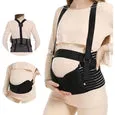
An adjustable maternity belt relieves back pain during pregnancy by lifting your belly and supporting your lower back, reducing the strain that comes with carrying extra weight. We tested dozens of maternity support options to help you find the right fit for your trimester, activity level, and pain points.
Why You Need an Adjustable Maternity Belt
Pregnancy shifts your center of gravity forward, which places extra stress on your lumbar spine and pelvis. An adjustable maternity belt wraps around your lower back and under your belly to redistribute that weight, easing discomfort whether you're standing at work, running errands, or trying to sleep.
According to Healthline's guide to belly band benefits, maternity support belts can improve posture, reduce round ligament pain, and help you stay active longer into your third trimester. We found that the best maternity belt designs offer multiple adjustment points so you can dial in compression as your body changes week by week.
Key benefits we noticed during testing:
- Immediate lower-back relief when walking or standing for more than 20 minutes
- Pelvic stability that reduces the waddling gait common in the third trimester
- Improved posture by gently pulling your shoulders back and discouraging slouching
- Extended jean wear by supporting your bump so you can button pre-pregnancy pants longer
If you're also dealing with nighttime discomfort, pairing a belt with a pregnancy blow up pillow or inflatable maternity pillow gives you 24-hour support.
How to Choose the Best Adjustable Maternity Belt
Not every belt works for every body or trimester. Here's what to prioritize based on our hands-on testing.
Adjustment Range and Fastening Style
Look for belts with hook-and-loop closures that span at least six inches of overlap. This lets you tighten or loosen the belt daily without needing a new size. Dual-strap designs (one under the belly, one across the lower back) offer more precise control than single-band styles.
Material and Breathability
Neoprene and thick elastic trap heat. We recommend lightweight mesh or perforated nylon blends, especially if you live in a warm climate or plan to wear the belt under clothing. Moisture-wicking linings prevent chafing during long wear.
Coverage Area
Narrow belts (three to four inches tall) target the lower back and work well under dresses or slim-fit tops. Wider panels (five to seven inches) provide more abdominal lift but can feel bulky. Match the width to your pain location: lower-back pain responds to wider support, while round ligament pain benefits from targeted under-belly bands.
When to Start Wearing One
Most people find maternity belt support helpful starting in the second trimester, around week 20, when the belly grows rapidly. You can wear one earlier if you're carrying multiples or experiencing early back pain. Check the latest pricing and grab our exclusive code before your next trimester begins.
Maternity Belt Support vs. Belly Bands: What's the Difference?
| Feature | Maternity Support Belt | Belly Band |
|---|---|---|
| Primary Function | Structural back and pelvic support | Clothing extender, light support |
| Material | Rigid panels, adjustable straps | Stretchy tube fabric |
| Best For | Active movement, standing jobs | Extending pre-pregnancy jeans |
| Trimester | Second and third | First through third |
Belly bands are soft fabric tubes that hold up unbuttoned pants and provide gentle compression. Maternity support belts have stiffer boning or panels and adjustable straps for therapeutic-grade lift. If your goal is pain relief, a structured belt delivers better results. For wardrobe flexibility, a stretchy band works well. Many pregnancy pros recommend owning both, as outlined in The Bump's tested guide to belly bands.
Sizing and Fit Tips for Adjustable Maternity Belts
Measure your hips at their widest point and your under-belly circumference (where the belt will sit). Most brands size by pre-pregnancy measurements, but if you're between sizes or in your third trimester, size up for comfort.
Fit checklist:
- The belt should feel snug but not restrict breathing or blood flow
- Bottom edge sits just above your pubic bone, top edge below your belly button
- Back panel centers on your lumbar curve, not your waistline
- You can slip two fingers under the strap when fastened
Adjust tension throughout the day. Morning swelling and afternoon fatigue change how much support you need. A truly adjustable design lets you tweak fit on the fly.
For current deals and our 10% discount code, visit our Babies Mart coupon page.
Wearing Your Belt: Daily Routines and Care
Put the belt on while lying down or seated so your belly is relaxed and not hanging forward. Fasten the lower strap first, then the upper or back strap. This order ensures even weight distribution.
Daily wear guidelines:
- Start with two to three hours per day and gradually increase
- Remove the belt every two to three hours to let your skin breathe
- Avoid wearing it to bed unless your doctor specifically recommends nighttime support
- Wash weekly in cold water and air-dry to preserve elastic integrity
Most users wear a maternity belt during standing or walking activities and remove it when sitting for extended periods. If you work a desk job, keep the belt in your bag for lunch breaks or commutes.
Pregnancy Belt After Delivery and Postpartum Use
Many adjustable designs work as a pregnancy belt after delivery to support abdominal muscles and help your uterus contract. Postpartum, the belt should feel comfortably snug, not restrictive. Wear it during the first six to eight weeks while your core regains strength, especially if you had a cesarean section.
Consult your healthcare provider before using any abdominal binder post-delivery. They'll confirm whether compression is safe based on your birth experience and recovery progress.
Once baby arrives, you might also appreciate a cradle recliner for hands-free feeding sessions or a sensory water mat for tummy-time play.
Where to Buy the Best Adjustable Maternity Belt
We track pricing and discounts across major baby retailers. Right now, Babies Mart carries a curated selection of maternity support belts with adjustable sizing and breathable fabrics. Visit our Babies Mart discount code page to save 10% on your order.
When shopping, read reviews that mention your specific pain type (sciatic nerve, pelvic girdle, lower-back muscle strain) to confirm the belt targets your needs. Look for return policies that let you test fit at home, since sizing can vary widely between brands.
For more expert-tested recommendations, Forbes's 2026 guide to pregnancy belly bands breaks down top picks by trimester and budget.
The right maternity belt support transforms how you move through pregnancy. Prioritize adjustability, breathable materials, and a fit that grows with you, and you'll stay comfortable well into your third trimester.
Frequently asked questions
When should I start wearing an adjustable maternity belt?
Most people benefit from wearing a maternity belt starting in the second trimester, around week 20, when belly growth accelerates. If you're experiencing early back pain or carrying multiples, you can start earlier with your doctor's approval.
Can I wear a maternity support belt all day?
You should remove your belt every two to three hours to let your skin breathe and prevent over-reliance on external support. Start with a few hours per day and increase gradually as your body adjusts.
How tight should a maternity belt feel?
The belt should feel snug and supportive without restricting your breathing or circulation. You should be able to slip two fingers comfortably under the strap when fastened.
Can I use a pregnancy belt after delivery?
Yes, many adjustable maternity belts work postpartum to support your core and help your uterus contract during the first six to eight weeks. Always consult your healthcare provider before using abdominal compression after birth, especially following a cesarean.
What's the difference between a maternity belt and a belly band?
A maternity support belt has structured panels and adjustable straps for therapeutic back support, while a belly band is a stretchy fabric tube designed to extend your pre-pregnancy clothing. Belts provide more pain relief, while bands offer light compression and wardrobe flexibility.
How do I wash my adjustable maternity belt?
Hand wash or machine wash your belt in cold water on a gentle cycle, then air-dry it to preserve the elastic and hook-and-loop closures. Wash weekly or more often if you wear it daily or live in a hot climate.