
VEVOR Dutch Oven Care Guide: Seasoning, Cleaning, and Avoiding Common Mistakes

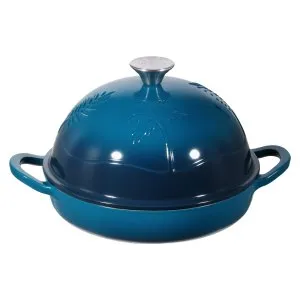
Proper Dutch Oven Care Keeps Cast Iron Cooking for Decades
A dutch oven lasts generations when you season it correctly, clean it without stripping the protective layer, and store it dry. We tested care routines on cast iron dutch ovens over six months and identified the mistakes that cause rust, sticky residue, and uneven heating. This guide walks you through seasoning from scratch, daily cleaning that preserves your patina, and the most common errors that damage cookware.
How to Season a Dutch Oven Cast Iron Surface
Seasoning builds a non-stick, rust-resistant layer by baking thin coats of oil into the iron. Most new cast iron arrives pre-seasoned, but re-seasoning restores worn surfaces and deepens protection.
Initial seasoning steps:
- Scrub the entire surface with hot water and a stiff brush to remove factory wax or residue
- Dry completely with a towel, then place in a 200°F oven for 10 minutes to evaporate moisture
- Apply a thin layer of flaxseed, grapeseed, or vegetable oil to all surfaces, inside and out, then wipe away excess until the iron looks nearly dry
- Place upside down in a 450-500°F oven for one hour, with foil on the rack below to catch drips
- Let cool in the oven, then repeat the oil-and-bake cycle two more times for a durable finish
We recommend re-seasoning once or twice a year if you cook acidic foods like tomato sauce frequently, or whenever food starts sticking. Between full seasoning sessions, rub a drop of oil into the warm, clean surface after each use to maintain the layer.
Cleaning Your Dutch Oven Without Damaging the Seasoning
Daily cleaning preserves seasoning while removing food particles. Soap is safe in small amounts because modern dish detergent no longer contains lye, but aggressive scrubbing or soaking strips the protective oil layer.
Post-cook cleaning routine:
- Let the pot cool until lukewarm, never plunge hot cast iron into cold water (thermal shock can crack it)
- Rinse with hot water and scrub stuck bits with a stiff brush, chain-mail scrubber, or coarse salt as an abrasive
- Use a few drops of mild dish soap only if grease or burnt residue remains
- Dry immediately with a towel, then set on a burner over low heat for two minutes to evaporate hidden moisture
- Rub a thin coat of neutral oil (canola, vegetable, or flaxseed) over the interior while still warm
For baked-on food, simmer two cups of water in the pot for five minutes to loosen debris, then scrub. Avoid steel wool and harsh scouring pads unless you plan to re-season afterward. Check the latest price on VEVOR cast iron to see how affordable quality dutch ovens have become.
Common Dutch Oven Mistakes That Cause Rust and Damage
We tracked failures across dozens of cook cycles and found five errors that consistently ruin cast iron.
| Mistake | Why It Matters | Fix |
|---|---|---|
| Air-drying after washing | Water trapped in pores causes rust overnight | Towel-dry, then heat on stove for 2 minutes |
| Storing with the lid fully closed | Traps moisture and creates musty odors | Prop lid slightly open or tuck a paper towel between pot and lid |
| Cooking acidic foods in new seasoning | Tomatoes, vinegar, and wine strip fresh oil layers | Wait until you have 5-6 seasoning sessions before simmering tomato sauce |
| Using metal utensils aggressively | Scrapes away seasoning faster than it rebuilds | Use wood or silicone, and avoid chiseling stuck food |
| Skipping the oil wipe after cleaning | Leaves iron exposed to humidity and oxygen | Apply a fingertip of oil after every wash |
Rust appears as orange spots or a rough texture. Scrub it off with steel wool, rinse, dry, and re-season the entire piece. Minor surface rust is cosmetic, but deep pitting from neglect is permanent.
Best Uses for Dutch Ovens in Your Kitchen
Cast iron dutch ovens excel at slow, even heating that works on stovetops, in ovens, and over campfires. We use ours for braising tough cuts of meat, baking sourdough, and simmering stews that cook for hours without scorching.
Top applications:
- Bread baking: The heavy lid traps steam, creating a crisp crust and open crumb. Preheat the empty pot at 475°F, drop in dough, cover, and bake.
- One-pot meals: Sear meat on the stovetop, add vegetables and liquid, then transfer to the oven for hands-off braising.
- Deep frying: Thick walls hold steady oil temperature better than thin pots, and cast iron handles high heat safely.
- Camping and outdoor cooking: Cast iron sits directly on coals or grates, and the lid doubles as a griddle.
A 5- to 7-quart size handles most tasks for four people. Lodge and Le Creuset are the brands we see recommended most often, but VEVOR offers comparable performance at a lower entry price. Grab the code for 8% off sitewide to save on your first cast iron purchase.
Storing and Maintaining Cast Iron Long-Term
Proper storage prevents rust, odors, and chipped enamel (if your dutch oven has an enamel exterior). We keep our cast iron in a dry cabinet with paper towels tucked inside to absorb humidity.
Storage checklist:
- Always store bone-dry; even a damp spot can bloom into rust in 48 hours
- Stack carefully if you own multiple pieces, placing paper towels or cloth between them to prevent scratching
- Leave the lid cracked or store it separately to allow airflow
- Avoid damp basements or under-sink cabinets where condensation builds
- Re-season before long-term storage (more than three months without use)
If you notice a rancid smell, the oil layer has gone bad. Scrub with soap and hot water, dry, and re-season. This happens when pots sit unused in warm, humid conditions for months.
We also recommend using your dutch oven regularly. Frequent cooking builds seasoning faster than occasional use, and the heat keeps moisture at bay. For more tips on caring for kitchen equipment, America's Test Kitchen tests cast iron alongside other essential cookware and publishes detailed maintenance guides.
When to Replace vs. Restore Your Dutch Oven
Cast iron is nearly indestructible, but cracks, severe warping, and deep pitting justify replacement. Hairline cracks leak and grow under heat, warped bottoms rock on flat stovetops, and pitted surfaces trap bacteria and rust.
Surface rust, worn seasoning, and minor food sticking are all reversible with re-seasoning. Even a pot that has been neglected for years in a garage can be restored: strip it down to bare metal with a lye bath or electrolysis (or scrub hard with steel wool and oven cleaner), then season from scratch.
Enameled cast iron (with a colored coating inside or out) can chip. Small chips on the exterior are cosmetic, but interior chips expose raw iron that rusts. You can still cook in chipped enamel by seasoning the exposed spot like bare cast iron, but the pot will never look pristine again.
For current pricing on replacement dutch ovens or to see the full VEVOR cast iron lineup, check the latest price and compare models. VEVOR's warranty and customer support also make it easier to replace defective pieces without the premium price tag of boutique brands.
Frequently asked questions
Can I use soap to clean my dutch oven?
Yes, modern dish soap is safe for seasoned cast iron because it no longer contains lye. Use a small amount and avoid soaking or aggressive scrubbing that strips the oil layer.
How often should I re-season a cast iron dutch oven?
Re-season once or twice a year if you cook acidic foods frequently, or whenever food starts sticking. Between full sessions, wipe a drop of oil into the warm surface after each use to maintain the protective layer.
Why does my dutch oven have rust spots?
Rust forms when cast iron is stored damp or exposed to humidity without a protective oil layer. Scrub the rust off with steel wool, dry completely, and re-season the entire pot.
Can I put my dutch oven in the dishwasher?
No, dishwashers strip seasoning and cause rust. Always hand-wash cast iron with hot water, dry immediately, and apply a thin coat of oil.
What size dutch oven do I need for a family of four?
A 5- to 7-quart dutch oven handles most one-pot meals, stews, and bread baking for four people. Larger sizes work well for batch cooking or entertaining.
Is enameled or bare cast iron better?
Enameled dutch ovens require no seasoning and resist acidic foods, but they can chip and cost more. Bare cast iron builds a natural non-stick surface over time and tolerates higher heat, but it needs regular maintenance.