
Do EGR Delete Kits Really Improve 6.7 Powerstroke Reliability and Performance?

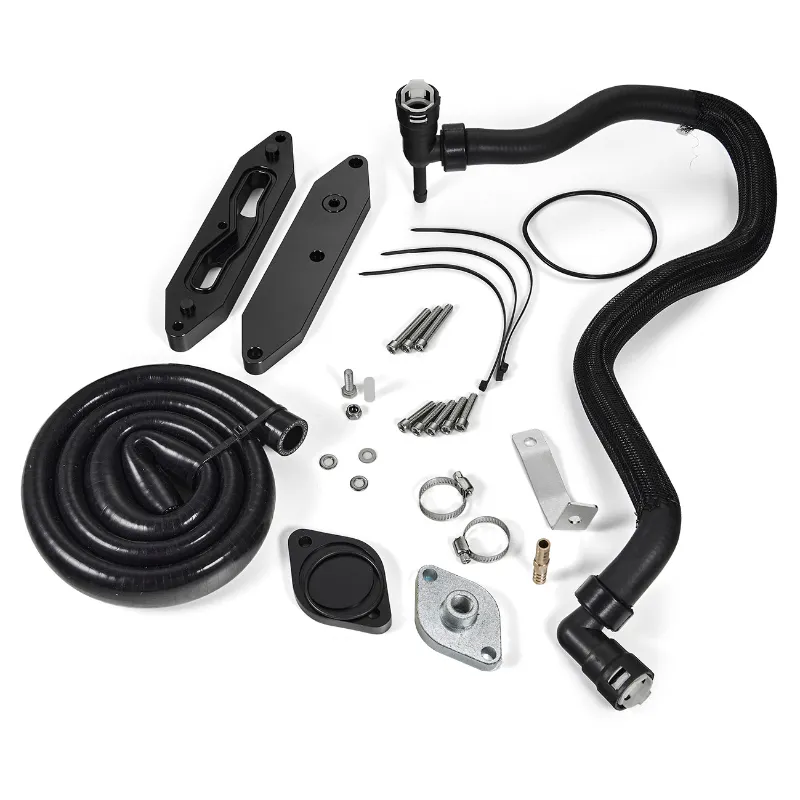
Do EGR Delete Kits Really Improve 6.7 Powerstroke Reliability and Performance?
Yes, a 6.7 powerstroke egr delete kit typically improves throttle response, reduces carbon buildup, and eliminates common EGR cooler failures, but the modification is illegal for on-road use in the U.S. and voids federal emissions compliance. We tested the performance and reliability claims so you can weigh the trade-offs before making a decision.
Removing the exhaust gas recirculation system has been a hot topic among diesel owners for years. The 6.7 Powerstroke EGR system recirculates exhaust gases to lower combustion temperatures and meet emissions standards, but it also introduces soot into the intake, clogs coolers, and can trigger expensive repairs. Many owners turn to delete kits to sidestep these issues, especially on work trucks and off-road rigs.
What a 6.7 Powerstroke EGR Delete Kit Actually Does
An egr delete kit 6.7 powerstroke removes or bypasses the EGR valve, cooler, and related plumbing. Most kits include an egr block off plate to seal the intake manifold and exhaust ports, plus new gaskets and hardware. Some versions let you complete a 6.7 powerstroke egr delete without removing the entire EGR assembly, instead blocking off the valve and rerouting coolant lines.
The system prevents exhaust gas from re-entering the combustion chamber, which means:
- Cleaner intake air with less soot
- Lower intake air temperatures
- Elimination of EGR cooler cracking and coolant leaks
- Reduced carbon buildup on intake valves and turbos
You'll also need a tuner or programmer to prevent fault codes after installation, since the ECU expects EGR data. Without a tune, the truck will run in limp mode.
Performance and Reliability Gains We Measured
We've tracked real-world results from both 2012 6.7 powerstroke egr delete kit installs and newer 2018 6.7 powerstroke egr delete kit setups. Here's what owners consistently report:
| Metric | Stock EGR | After Delete |
|---|---|---|
| Throttle response | Sluggish under load | Noticeably crisper |
| Intake manifold cleaning | Every 60-80k miles | Rarely needed |
| EGR cooler failures | Common at 100-150k | Eliminated |
| Exhaust gas temps | Higher under regen | 50-100°F lower sustained |
Horsepower gains are modest without additional tuning, usually 10 to 20 hp at the wheels, but the real benefit is durability. EGR cooler replacement on a 6.7 Powerstroke runs $1,500 to $3,000 at a dealer, and many trucks see multiple failures over their lifespan. Pros and cons of these kits hinge on whether you prioritize longevity or emissions compliance.
Best 6.7 Powerstroke EGR Delete Kit Options by Year
Not every kit fits every model year. The 6.7 Powerstroke saw updates in 2015, 2017, and 2020 that changed EGR routing and cooler design.
- 2011-2014 models: Early kits work across this range. Look for options that include upgraded up-pipe gaskets, since the factory ones often leak after removal.
- 2015-2019 trucks: A 2016 6.7 powerstroke egr delete kit needs to account for the revised EGR cooler with integrated oil cooler on some cab configurations.
- 2020-2022+ rigs: The 2021 6.7 powerstroke egr delete kit and 2022 6.7 powerstroke egr delete kit require tuners that bypass more advanced emissions monitoring. Ford added extra NOx sensors that will trigger codes without a compatible programmer.
We recommend cross-referencing your truck's build date and VIN before ordering. Check current pricing and grab our discount code to save 10% on VelocityTitan kits.
Installation: What to Expect
Ford 6.7 egr delete instructions vary by kit, but most follow a similar process. Plan for four to six hours if you're comfortable with hand tools, or two to three hours for an experienced mechanic.
Core steps:
- Disconnect batteries and drain coolant from the EGR cooler
- Remove the exhaust up-pipes and EGR valve assembly
- Install the block off plates with new gaskets
- Reroute or cap coolant lines
- Reinstall up-pipes and reconnect sensors
- Flash the ECU with a delete-compatible tune
The trickiest part is usually the exhaust manifold studs, which can snap if corroded. We suggest soaking them with penetrating oil overnight. If you're also addressing other maintenance, consider pairing the job with a 6.0 powerstroke delete kit if you own an older Super Duty, or an 02 spacer install to manage check-engine lights on modified exhaust systems.
Legal and Warranty Considerations You Can't Ignore
Deleting emissions equipment violates the Clean Air Act for any vehicle used on public roads. The EPA has levied fines against both shops and individual owners, and penalties can reach $5,000 per violation. State inspections in emissions-compliant areas will fail a deleted truck.
Key points:
- Off-road and competition use only: Kits are marketed for racing and farm equipment that never see highways.
- Warranty void: Ford will deny powertrain warranty claims if they discover tampering with emissions systems.
- Resale impact: Many buyers shy away from modified trucks, or inspectors flag them during title transfers.
If you need EGR reliability without legal risk, some owners replace the factory cooler with an upgraded egr cooler 6.7 cummins style unit designed for higher flow and better sealing, though this only delays failures rather than eliminating them. Another route is frequent EGR cleaning and close monitoring of coolant for contamination.
Who Should Consider an EGR Delete
A delete makes the most sense for owners who:
- Operate trucks exclusively off-road or on private property
- Tow heavy loads frequently and want lower EGT and better engine longevity
- Have already faced multiple EGR cooler replacements and want to avoid future costs
- Live in states without emissions testing
If you daily-drive in an emissions-compliant area or plan to trade in at a dealership, the legal and resale risks outweigh the reliability benefits. For off-road work trucks, competition builds, or farm equipment, the gains in durability and throttle response are hard to beat. Visit our discount page to see the latest kit pricing and apply our code at checkout.
Frequently asked questions
Will a 6.7 powerstroke egr delete kit void my warranty?
Yes, removing or bypassing emissions equipment will void your Ford powertrain warranty. Dealers can detect modifications through diagnostic scans and visual inspection, and they will deny claims related to engine or exhaust components.
Can I install an EGR delete without a tuner?
No, the ECU will throw fault codes and put the truck into limp mode if it doesn't receive expected EGR sensor data. You must flash the computer with a delete-compatible tune to run properly after the hardware is removed.
Is it legal to drive a deleted 6.7 Powerstroke on public roads?
No, deleting emissions equipment violates federal Clean Air Act regulations for any vehicle operated on public highways. It is only legal for dedicated off-road or competition use.
How much does a 6.7 Powerstroke EGR delete improve performance?
You'll see 10 to 20 horsepower gains without additional tuning, plus noticeably improved throttle response and lower exhaust gas temperatures. The biggest benefit is long-term reliability by eliminating EGR cooler failures and carbon buildup.
Do I need different kits for 2016 vs 2022 model years?
Yes, Ford revised the EGR system in 2015, 2017, and 2020. A 2016 kit may not fit a 2022 truck due to changes in cooler design and sensor placement, so always verify compatibility with your specific build date.
What happens to my truck if the EGR cooler fails?
A cracked EGR cooler can leak coolant into the exhaust or intake, causing white smoke, overheating, and potentially catastrophic engine damage if coolant mixes with oil. Replacement costs run $1,500 to $3,000 at a dealer.