
N54 High Pressure Fuel Pump Failure: Symptoms, Causes, and Upgrade Options

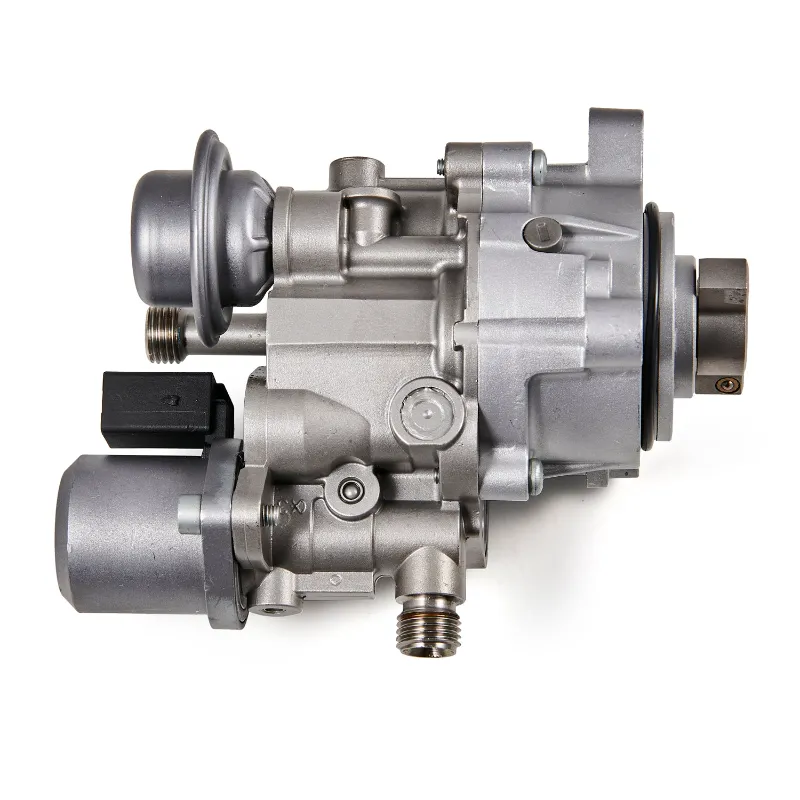
The n54 high pressure fuel pump fails more often than any other component on BMW's twin-turbo inline-six, triggering limp mode, misfires, and fuel cut at high RPM. BMW issued a recall and warranty extension for early units, but even revised OEM pumps show wear over time. We break down the symptoms, root causes, and whether you need a simple replacement or a full n54 hpfp upgrade to support higher boost.
N54 High Pressure Fuel Pump Symptoms
A failing pump usually announces itself before it dies completely. Watch for these signs:
- Limp mode and reduced power when accelerating hard or climbing grades
- Rough idle or hesitation during cold starts
- Fuel pressure fault codes (30BA, 30BB, 2E82) stored in DME
- Long crank time before the engine fires
- Misfires under load that clear once boost drops
Early-generation pumps on 2007–2009 335i models are especially prone to failure between 60,000 and 100,000 miles. The OEM unit struggles to maintain the 2,200 psi rail pressure the N54 demands at wide-open throttle. If you catch a fault code early, you can often replace the pump before it leaves you stranded. Grab the code to save on upgrades and diagnostics.
Why the OEM Pump Fails
BMW's original high-pressure fuel pump uses a camshaft-driven piston to compress fuel from the low-pressure side into the rail. Three design flaws caused widespread failures:
- Inadequate lubrication of the internal roller bearing, especially when using top-tier fuels with fewer lubricating additives
- Weak return valve seals that degrade and allow pressure bleed-off
- Insufficient volume for tuned or higher-boost applications
The updated OEM pump from BMW (part number 13517616170) addresses the lubrication issue with a revised piston assembly, but it still maxes out around 2,400 psi. If you plan to run more than 18–19 psi of boost or add methanol injection, the stock rebuild kit will not keep up.
N54 High Pressure Fuel Pump Location and Access
The pump sits on the driver side of the cylinder head, driven by an exhaust-side camshaft lobe. You will find it tucked beneath the intake manifold near cylinder 1. Replacement requires:
- Removing the cowl and intake manifold
- Disconnecting the high-pressure line at the rail
- Unbolting the pump from the cylinder head
- Replacing the crush washers and sealing O-rings
The job takes three to four hours in a home garage. ECS Tuning carries OEM and performance options with all necessary hardware. Always replace the feed and return line seals when you swap pumps to prevent vacuum leaks.
N54 Fuel Pump Upgrade Stages
Aftermarket companies offer staged pumps calibrated to different power levels. Here is how they compare:
| Stage | Max HP | Rail Pressure | Best For |
|---|---|---|---|
| OEM Revised | ~400 HP | 2,400 psi | Stock or lightly tuned |
| Stage 2 | ~550 HP | 2,800 psi | Stage 2 tune, bolt-ons |
| Stage 3 | ~650 HP | 3,200 psi | E85, meth injection, big turbos |
N54 fuel pump stage 2 upgrades handle most street builds running intercoolers, downpipes, and a custom tune. N54 fuel pump stage 3 options suit pure-E85 setups or hybrid turbos pushing north of 25 psi. Keep in mind that upgrading the high-pressure side alone will not fix fueling on big-power builds; you may also need an n54 low pressure fuel pump upgrade (the in-tank pump) to feed the HPFP enough volume at the inlet.
Should You Rebuild or Replace?
N54 high pressure fuel pump rebuild kits exist, but most include only seals and the piston assembly. Unless you have machine-shop skills, a full replacement is faster and more reliable. Check the latest price on a direct-fit performance pump before committing to a rebuild. The labor is identical, and a quality aftermarket unit will outlast a patched OEM core.
If you are still on the original pump and approaching 80,000 miles, replace it preemptively. The cost of a tow and missed workday exceeds the pump itself. We have also seen tuners recommend replacing the pump whenever you flash to stage 2 or higher, since the ECU will command higher rail pressure that accelerates wear.
Pairing the HPFP With Supporting Mods
A high-pressure pump upgrade alone will not unlock big power. Plan these complementary upgrades to avoid bottlenecks:
- Low-pressure (in-tank) fuel pump upgraded to 300+ lph for stage 2 and above
- Larger injectors if you exceed 550 wheel horsepower or switch to E85
- Fuel pressure sensor calibration or replacement to ensure accurate DME readings
- Custom tune that adjusts fueling maps and rail-pressure targets for the new pump
The E90Post community documents dozens of builds showing which pump and injector combinations work at each power level. Cross-reference your boost target and fuel type before ordering parts.
Installation Tips and Common Mistakes
Even experienced DIYers make these errors when swapping the pump:
- Forgetting to prime the new pump by cranking the engine without starting it for 10 seconds, then waiting 30 seconds and repeating three times
- Reusing crush washers on the high-pressure line, which leads to slow leaks and fuel odor
- Failing to bleed air from the low-pressure feed line before tightening the inlet fitting
- Skipping the adaptation procedure in INPA or your tuning software, which can leave the DME commanding the wrong pressure curve
Always torque the pump-to-head bolts to 10 Nm (89 in-lb) and the high-pressure line nut to 27 Nm (20 ft-lb). Over-torquing cracks the aluminum pump housing. Once the install is complete, scan for codes and log fuel pressure under load to confirm the pump holds target across the RPM range.
Which Pump Suits Your Build?
Choose based on your realistic power goal and fuel type:
- Stock to 400 HP: Revised OEM pump or budget stage 1
- Stage 2 tune, 91 octane: Stage 2 pump with low-pressure upgrade
- E85 or meth injection: Stage 3 pump and 1000 cc injectors
- Track and drag racing: Stage 3 pump, dual low-pressure pumps, and a built fuel system
If you daily-drive your 335i and want reliability, stick with the revised OEM unit and a conservative tune. Weekend warriors chasing 500+ wheel horsepower will appreciate the headroom of a stage 2 or 3 setup. Either way, check our discount before you order to lock in the best deal on performance fuel delivery.
Upgrading the high-pressure side takes an afternoon and transforms how your N54 pulls under boost. Whether you are fixing a failed pump or planning for more power, matching the right stage to your build prevents costly backtracking later.
Frequently asked questions
What are the most common n54 high pressure fuel pump symptoms?
Limp mode under acceleration, rough idle, long crank times, and fuel pressure fault codes (30BA, 30BB, 2E82) are the telltale signs. You may also notice hesitation or misfires when boost climbs above 15 psi.
Can I rebuild the OEM pump or should I replace it?
Rebuild kits exist but require machine-shop skills and only address seals and the piston. A full replacement with a revised OEM or aftermarket pump is faster, more reliable, and typically costs less than a professional rebuild.
Do I need to upgrade the low-pressure pump too?
Yes, if you are moving to stage 2 or higher. The high-pressure pump can only compress the volume it receives, so an upgraded in-tank pump (300+ lph) is essential for builds over 450 horsepower.
How long does an upgraded n54 hpfp last?
Quality aftermarket pumps from reputable brands typically last 100,000 miles or more, even under higher boost and E85. Lifespan depends on fuel quality, tuning, and whether you maintain proper oil changes to lubricate the cam lobe.
Will a stage 2 fuel pump work on a stock tune?
Yes, it will not harm anything. The DME commands rail pressure based on the tune, so a stage 2 pump on a stock map simply provides extra headroom. You will see the real benefit once you flash to a stage 2 or custom tune.
Where is the high pressure fuel pump located on the N54?
It mounts on the driver side of the cylinder head, driven by the exhaust camshaft near cylinder 1. You will need to remove the cowl and intake manifold to access it for replacement.