
Electric Bike Gloves Buying Guide: Fit, Padding, and Weather Protection Explained

Why Electric Bike Gloves Matter for Every Ride
Electric bike gloves protect your hands from vibration, weather, and impact while improving grip and control on every ride. Whether you're commuting on a hiknight ebike or tearing up trails on a hiknight electric dirt bike, the right gloves reduce fatigue and keep you connected to the handlebars. We tested dozens of pairs across different weather conditions and riding styles to help you find gloves that actually work.
The right pair balances padding, breathability, and durability without sacrificing dexterity. Cheap gloves bunch at the knuckles or leave your palms numb after 20 minutes, while well-designed e bike gloves feel invisible until you need them. This guide walks you through fit, padding zones, weather features, and how to match gloves to your riding style.
Fit and Sizing: How Ebike Gloves Should Feel
Gloves that are too tight restrict blood flow and cause numbness. Gloves that are too loose bunch up and reduce grip. A proper fit means snug across the knuckles with no fabric bunching when you make a fist, and fingertips that reach the seam without pulling or leaving extra space.
Most brands follow standard S-M-L-XL sizing based on hand circumference measured around the knuckles, but cut and stretch vary. Full-finger ebike gloves should allow you to bend your fingers fully without tension, and the wrist closure should seal without cutting off circulation. Look for:
- Pre-curved fingers that match your natural grip position on the handlebars
- Stretch panels between fingers for movement
- Adjustable wrist straps with hook-and-loop or elastic cuffs
- Palm width that covers your handlebar contact zone without excess material
Try gripping something cylindrical while wearing new gloves. If the fabric pulls tight across your knuckles or the palm slides, size up or try a different cut.
Padding Zones and Vibration Damping for E Bike Riding Gear
E bikes generate more sustained vibration than acoustic bikes, especially models like the 40 mph e bike or electric bicycle 40 mph that run at higher speeds. Quality electric bike gloves place gel or foam padding in three key zones: the base of the palm below the thumb, the outer edge near the pinky, and across the center where your hand rests on the grip.
Padding thickness is a trade-off. Thick gel pads absorb vibration better but reduce bar feel, which matters when you need to react quickly on technical terrain or when operating your electric bike key and controls. We recommend:
- 3-5 mm gel or memory foam for road and commuter gloves
- Segmented padding that flexes with your hand rather than a single slab
- Breathable mesh backing behind foam to prevent sweat buildup
- Reinforced fingertips for riders who frequently adjust settings or use touchscreen displays
Skip gloves with padding that extends too far up the palm. It bunches when you grip and creates pressure points instead of relieving them.
Weather Protection: Choosing Gloves for Different Conditions
Your weather needs depend on where and when you ride. Lightweight e bike gloves with mesh backs work for spring through fall commuting, while insulated shells handle winter. No single pair does everything well, so serious riders keep two or three options.
Warm weather and commuting: Look for synthetic mesh uppers, perforated palms, and moisture-wicking liners. Terry cloth thumb panels let you wipe sweat without removing gloves. Avoid full leather, which traps heat.
Cold and wet conditions: Waterproof membranes like neoprene or laminated shells keep rain out but reduce breathability. Insulated liners add warmth without bulk. Longer cuffs that overlap jacket sleeves prevent water from running down your wrists. Check that insulated gloves still let you operate your e bike keys and brake levers without fumbling.
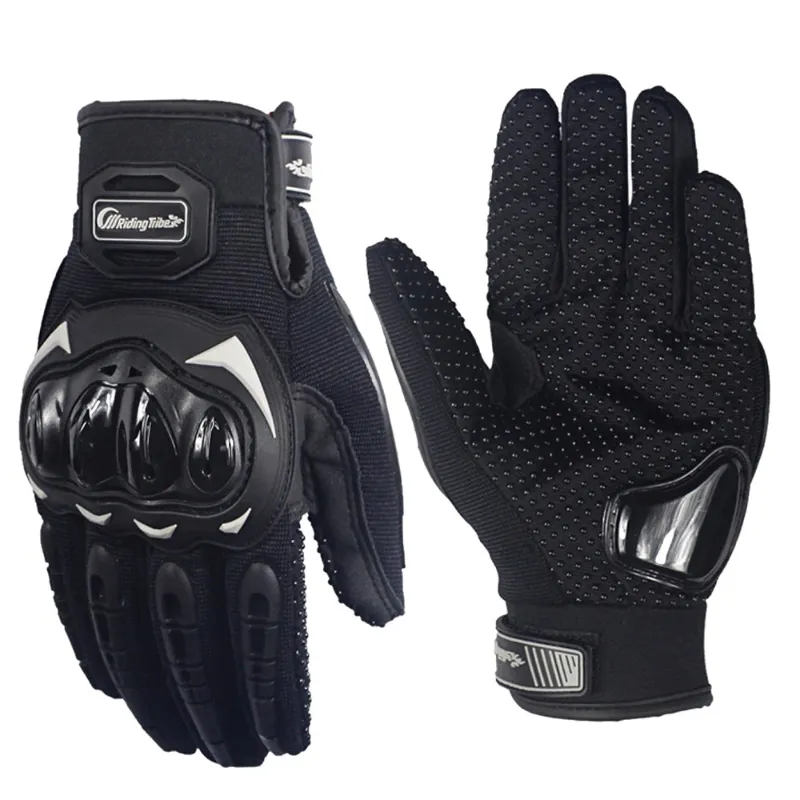
Off-road and trail riding: Riders on a electric dirt bike for teenager or similar models need abrasion resistance more than insulation. Look for reinforced knuckle guards, double-layer palms, and silicone grip zones. Motorcycle gloves often work well here, though true motorcycle gloves may be overkill for pedal-assist trail riding.
You can grab the current discount code to save on gloves and other e bike riding gear when you order.
Materials: Durability vs Breathability Trade-Offs
Glove materials determine how long they last, how they feel, and how well they handle sweat. Here's what we found works for ebike use:
| Material | Best For | Durability | Breathability |
|---|---|---|---|
| Synthetic mesh | Warm-weather commuting | Moderate | Excellent |
| Leather palm | All-around use | Excellent | Good |
| Neoprene | Wet and cold | Good | Poor |
| Silicone grip zones | Off-road and trails | Moderate | Good |
Synthetic mesh gloves wear out faster but dry quickly and feel cooler. Leather palms last longer and mold to your hand over time, though they take longer to break in. Neoprene keeps water out but traps sweat, so reserve it for genuinely cold or wet rides.
Check stitching quality where fingers meet the palm. Double-stitched or reinforced seams last longer under repeated gripping pressure. Gloves that fail usually split here first, not from abrasion.
Matching Gloves to Your Riding Style and Bike
Commuters on a hiknight ebike have different needs than off-road riders. If you ride in traffic, prioritize visibility features like reflective piping or bright colors. If you're charging a hikeep ebike battery mid-ride and adjusting settings frequently, make sure your gloves allow touchscreen use or pull off quickly.
Urban and commuter riders: Choose lightweight gloves with moderate padding, reflective details, and quick-dry fabrics. Look for models that work with your phone screen without removing them.
Trail and off-road riders: Go for heavier padding, knuckle protection, and abrasion-resistant palms. Longer cuffs keep dirt out. Make sure the grip zones handle mud and wet conditions.
High-speed riders on a gtx 1 or similar performance models: Consider gloves borrowed from motorcycle gear with hard knuckle shells and wrist stabilization. You sacrifice some dexterity but gain impact protection at higher speeds.
Before you buy, check the latest pricing and our exclusive code to save on your order.
Care and Maintenance to Extend Glove Life
Wash gloves every few weeks or whenever they smell. Hand-wash in cool water with mild detergent, then air-dry away from direct heat. Machine washing breaks down padding adhesive and stitching faster. Never put gloves in the dryer, which shrinks fabric and cracks synthetic leather.
Store gloves flat or loosely rolled, not balled up. Leather palms benefit from occasional leather conditioner to prevent cracking. If gloves get soaked, stuff them with newspaper to absorb moisture and hold their shape while drying.
Replace gloves when padding compresses and stops rebounding, stitching fails, or palm material wears through. Worn-out gloves do more harm than good, transferring vibration and reducing grip instead of protecting your hands.
Frequently asked questions
What makes electric bike gloves different from regular cycling gloves?
Electric bike gloves typically feature thicker vibration-damping padding because e bikes generate more sustained motor vibration than acoustic bikes, especially at higher speeds. They also prioritize durability and weather protection for longer rides.
Can I use motorcycle gloves for ebike riding?
Motorcycle gloves work well for high-speed or off-road e bike riding because they offer excellent abrasion resistance and impact protection. However, they may feel bulky for casual commuting or lower-speed rides where dexterity matters more.
How do I know if my ebike gloves fit correctly?
Your gloves should feel snug across the knuckles without bunching when you make a fist, and fingertips should reach the seam with no extra space or pulling. You should be able to fully bend your fingers and operate brake levers without restriction.
Do I need different gloves for summer and winter ebike riding?
Yes, most riders keep at least two pairs. Lightweight mesh gloves with perforated palms work for warm weather, while insulated waterproof gloves with longer cuffs handle cold and wet conditions. No single pair balances breathability and insulation well.
How often should I replace my e bike gloves?
Replace gloves when the padding no longer rebounds after pressure, stitching fails at the seams, or palm material wears through. Depending on riding frequency and care, quality gloves typically last six months to two years.
Can I wash electric bike gloves in the washing machine?
Hand-washing in cool water with mild detergent is safer and extends glove life. Machine washing breaks down padding adhesive and stitching faster, and dryers will shrink fabric and crack synthetic materials.