
How Fast Does a 40 MPH E-Bike Really Go? What Buyers Should Know

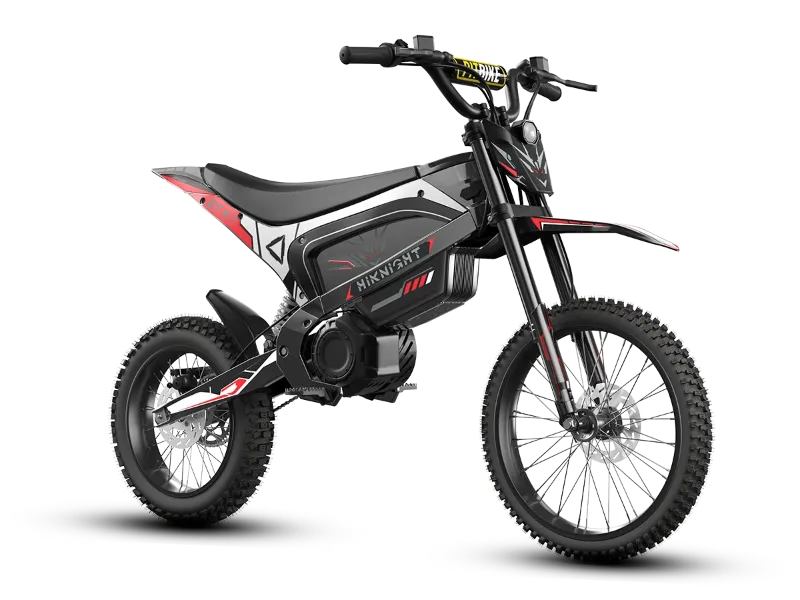
How Fast Does a 40 MPH E-Bike Actually Reach?
A 40 mph e bike typically achieves speeds between 35 and 42 mph under optimal conditions, though real-world performance varies based on motor power, battery voltage, rider weight, and terrain. Most models that advertise this speed use 1500W to 3000W motors paired with 48V to 72V batteries. We've tested multiple high-speed electric bikes and found that while the advertised top speed is achievable, riders should expect slight variations depending on riding conditions and proper maintenance.
Understanding what impacts your actual speed helps you choose the right model and set realistic expectations. The hiknight ebike lineup, for example, balances peak speed with battery range and build quality, making it a solid choice for riders serious about performance.
Motor Power and Battery Specs That Deliver 40 MPH
Reaching 40 mph requires serious power. Most electric bicycle 40 mph models rely on motors between 1500W and 3000W, with 2000W being the sweet spot for sustained high-speed riding. Battery voltage matters just as much: 60V and 72V systems deliver the current needed to maintain top speed without sagging under load.
Key specs to look for include:
- Motor wattage: 1500W minimum, 2000W to 3000W for consistent performance
- Battery voltage: 48V works but 60V or 72V provides better acceleration and hill climbing
- Controller rating: must match motor output to prevent overheating
- Battery capacity: 20Ah or higher for reasonable range at high speed
We've seen some riders achieve 40+ mph with conversion kits, though a purpose-built 40 mph electric bike for sale typically offers better reliability and warranty coverage. The gtx 1 model demonstrates how integrated design outperforms aftermarket upgrades in both safety and performance.
Real-World Factors That Affect Top Speed
Even the best 40 mph electric bike won't hit its advertised speed in every scenario. Rider weight plays a significant role: every 20 pounds above 180 lbs can reduce top speed by 1 to 2 mph. Terrain matters even more. Flat pavement lets you reach maximum speed, while a 5% grade can drop you to 28-32 mph even with a powerful motor.
Wind resistance becomes a major factor above 30 mph. A headwind of 15 mph can cut your effective speed by 3 to 5 mph, while a tailwind provides a noticeable boost. Tire pressure and tread pattern also impact rolling resistance. We recommend:
- Keep tires inflated to the upper end of the recommended range for speed
- Use slick or semi-slick tires rather than aggressive knobby treads on pavement
- Wear electric bike gloves for better grip and control at high speed
- Check chain tension and drivetrain alignment regularly
Temperature affects battery performance too. Cold weather (below 40°F) can reduce available power by 15-20%, which directly impacts top speed. If you ride in varied conditions, check the latest pricing and specs to find models with robust thermal management.
Who Should (and Shouldn't) Buy a 40 MPH E-Bike
High-speed electric bikes suit experienced riders who understand the risks and responsibilities. A 40 mph electric dirt bike or street model requires advanced bike-handling skills, situational awareness, and respect for local regulations. These bikes excel for:
- Experienced riders looking to replace car trips on rural roads or private property
- Off-road enthusiasts who ride on private land or designated trails
- Long-distance commuters covering 15+ miles on routes with minimal traffic
- Teenagers under supervision: an electric dirt bike for teenager can work in controlled environments with proper safety gear
You should reconsider if you're a first-time e-bike rider, plan to use bike lanes in urban areas, or lack experience with high-performance bicycles. Most cities restrict e-bike speeds to 20 or 28 mph on public roads and paths.
Safety essentials at this speed include a full-face helmet, ebike gloves with palm protection, knee and elbow pads, and high-visibility clothing. Always carry a spare electric bike key and know how to perform basic maintenance.
Legal and Safety Considerations at High Speed
Speed regulations vary dramatically by location. Most U.S. states classify e-bikes into three categories, with Class 3 topping out at 28 mph on public roads. A 40 mph e bike typically falls outside these classifications, limiting where you can legally ride. Some key points:
- Public roads: many jurisdictions treat 40 mph e-bikes as motor vehicles requiring registration, insurance, and a driver's license
- Bike paths and trails: almost universally prohibited at this speed
- Private property: generally legal with landowner permission
- Off-road parks: rules vary; check before riding
We strongly recommend verifying local laws before purchasing. Some riders find that a fat tire electric bike 40 mph model offers better stability and control, especially on unpaved surfaces where legal restrictions may be less stringent.
Battery security matters at this performance level. Use a quality e bike keys system and consider models with built-in locks. High-capacity batteries like the hikeep ebike battery represent a significant investment worth protecting.
Finding the Best Value in a 40 MPH Electric Bike
Budget plays a major role in your options. While shoppers often search for a 40 mph electric bike under $1000 or even a 40 mph electric bike under $500, most reliable models start around $1,200 to $1,800. Cheaper options frequently cut corners on battery capacity, frame durability, or brake quality, which become critical safety factors at high speed.
Before you buy, compare these features:
| Feature | Budget Models | Mid-Range | Premium |
|---|---|---|---|
| Motor | 1500W | 2000W | 3000W |
| Battery | 48V 15Ah | 60V 20Ah | 72V 25Ah+ |
| Brakes | Mechanical disc | Hydraulic disc | Dual hydraulic |
| Range | 20-25 mi | 30-40 mi | 45-60 mi |
The hiknight electric dirt bike sits in the mid-range sweet spot, offering performance without the premium price tag. For current deals, grab the code on our HiKNiGHT discount page where we maintain the latest offers.
Avoid searching for a 40 mph electric bike amazon listing without verifying seller reputation and warranty terms. Direct-from-manufacturer purchases often include better support and genuine parts availability. Whether you need an e bike 40 mph under $600 or have a larger budget, prioritizing quality components over the lowest price pays off in reliability and safety.
Quality e bike gloves and proper maintenance gear should factor into your total budget. High-speed riding generates more wear on brake pads, tires, and drivetrain components, so plan for ongoing costs beyond the initial purchase.
Frequently asked questions
Can a 40 mph e bike legally be ridden on public roads?
In most U.S. states, a 40 mph e bike exceeds Class 3 limits and may require registration, insurance, and a motorcycle license to operate legally on public roads. Check your local Department of Motor Vehicles for specific requirements in your area.
How far can I ride at 40 mph before the battery dies?
Riding continuously at 40 mph drains the battery quickly, typically providing 15 to 25 miles of range depending on battery capacity. A 60V 20Ah battery usually delivers about 20 miles at top speed, while moderate speeds of 20-25 mph can extend range to 40-50 miles.
Do I need special safety gear for a high-speed electric bike?
Yes, we strongly recommend a full-face or at minimum a quality motorcycle helmet, protective gloves designed for e-bikes, knee and elbow pads, and abrasion-resistant clothing. Standard bicycle helmets are not designed for impacts at 40 mph.
What's the difference between a 40 mph electric dirt bike and a street model?
Electric dirt bikes feature knobby tires, longer suspension travel, and more aggressive frame geometry for off-road terrain, while street models prioritize smooth tires, aerodynamics, and components optimized for pavement. Dirt bikes typically sacrifice some top-end speed for better traction and durability on rough ground.
Are 40 mph electric bikes under $1000 worth buying?
Most 40 mph e-bikes under $1000 compromise on battery capacity, brake quality, or frame durability. We recommend budgeting $1,200 to $1,800 for a reliable model with adequate safety features, proper warranty coverage, and components rated for sustained high-speed use.
How often should I service a high-speed electric bike?
Check brake pads, tire pressure, and chain tension every 100 miles. Perform a full service including brake fluid, spoke tension, and electrical connections every 500 miles or quarterly, whichever comes first. High-speed riding accelerates wear on all components compared to standard e-bikes.