
Hikeep Ebike Battery vs Standard Ebike Batteries: What to Check Before Replacing

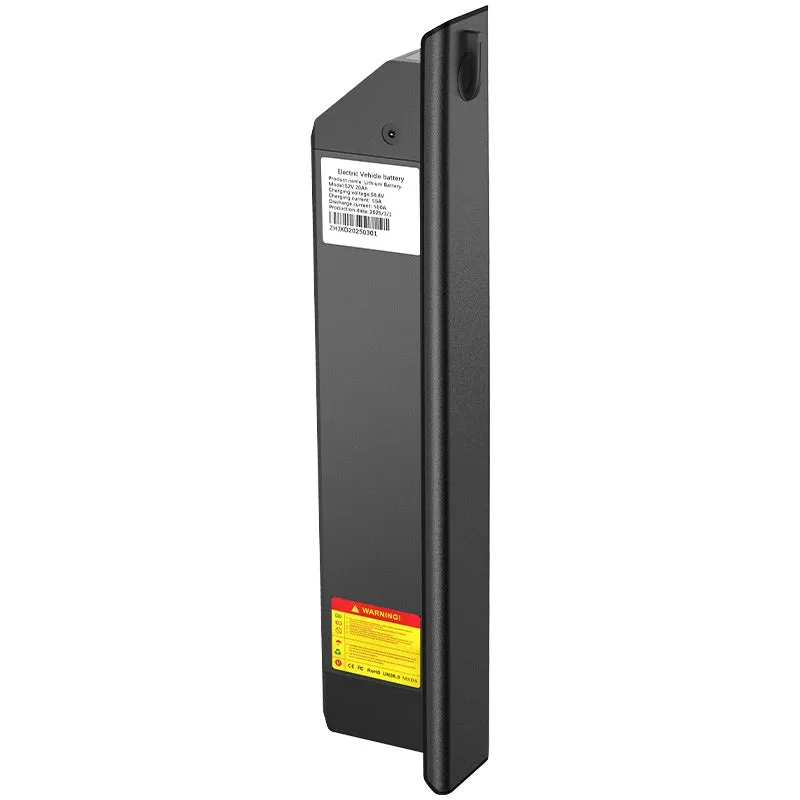
# Hikeep Ebike Battery vs Standard Ebike Batteries: What to Check Before Replacing
If your e-bike has been losing range, cutting out on hills, or refusing to hold a charge, chances are the battery is the culprit. But before you click "buy" on the first replacement pack you find, it pays to understand what makes a hikeep ebike battery different from a standard ebike battery — and what specs you absolutely need to check first.
Whether you ride a gtx 1, a commuter ebike, or a hiknight electric dirt bike, this guide will walk you through everything to verify before swapping packs.
Why Your Battery Choice Matters More Than You Think
The battery is the single most expensive component on any electric bike, often making up 30–40% of the total build cost. It's also the component that determines your range, top speed, and how hard your motor can pull. A mismatched or low-quality replacement can damage your controller, void your warranty, or worse — create a genuine fire risk.
Riders of high-performance machines like a 40 mph e bike or an electric bicycle 40 mph need to be especially careful: the faster the bike, the harder the battery works, and the less forgiving it is of a cheap replacement.
Hikeep Ebike Battery vs Standard Ebike Batteries: The Key Differences
1. Battery Management System (BMS) Compatibility
Every quality pack contains a BMS that protects cells from overcharge, over-discharge, and short circuits. The BMS in a hikeep ebike battery is calibrated specifically for Hikeep's motor and controller setup. Standard generic batteries may have BMS limits that are either too conservative (causing premature cut-offs under load) or too aggressive (stress cells beyond safe limits).
What to check: Match the BMS current rating (e.g., 20A, 25A, 30A) to your controller's peak draw. If your bike is a performance model like a hiknight ebike, don't undersize this.
2. Voltage Must Match — No Exceptions
Hikeep packs commonly come in 36V and 48V configurations. Standard aftermarket batteries exist in these voltages too, plus 52V and even 72V for speed machines.
- 36V battery on a 48V system: Your bike will be sluggish and the low-voltage cutoff will trigger constantly.
- 48V battery on a 36V system: You risk frying the controller, display, and lights.
What to check: Look at the label on your current pack or check your controller specs before ordering any replacement, including a hikeep ebike battery.
3. Amp-Hours (Ah) Determine Range — But Not Speed
Voltage controls speed potential; amp-hours control how long you can ride. A 48V 15Ah pack holds more energy than a 48V 10Ah pack, giving roughly 50% more range, all else being equal.
What to check: Note your original Ah rating. If you upgrade capacity (say, from 10Ah to 15Ah), confirm the new pack physically fits your battery mount or frame compartment.
4. Cell Quality and Brand
The difference between a great battery and a dangerous one often comes down to the cells inside. Reputable packs use branded cells (Samsung, LG, Panasonic, or certified Chinese equivalents). Bargain-bin replacements often use recycled or mismatched cells that degrade fast and swell under load.
This matters double for off-road riders pushing an electric dirt bike for teenager hard on trails — dirt riding means constant high-current draws and vibration, which weak packs handle poorly.
5. Physical Fit and Connector Types
Even a spec-perfect battery is useless if it won't mount or plug in. Hikeep and other brands use different:
- Mounting systems (downtube, rear rack, seat tube, or integrated frame)
- Connectors (Anderson, XT60, XT90, or proprietary plugs)
What to check: Photograph your current battery, its mount, and its connector before ordering. Compare against the product photos on any replacement listing.
6. Lock, Key, and Security Features
Most branded packs include a keyed lock. If you're replacing a battery, check whether your electric bike key or set of e bike keys will still work — usually they won't, and the new pack will ship with its own keys. Keep both sets labeled so you're never stranded with a locked battery and no key.
Pre-Replacement Checklist
Run through this before you order any replacement, Hikeep or otherwise:
- ✅ Voltage — exact match required
- ✅ Ah rating — equal or higher for more range
- ✅ BMS current rating — matches or exceeds your controller's peak amps
- ✅ Cell brand — named, certified cells only
- ✅ Physical dimensions — fits your mount or compartment
- ✅ Connector type — matches your bike's wiring (or buy an adapter)
- ✅ Warranty — at least 12 months from a real seller
- ✅ Certifications — UL 2271, UN 38.3, or CE markings
For more model-specific battery guidance, this Hikeep Dirt Bike Battery resource covers compatibility details worth reading before you buy.
How to Make Your New Battery Last Longer
Once you've installed a replacement, protect your investment:
- Charge between 20% and 80% for daily riding; only charge to 100% before long rides
- Never store a fully discharged battery — lithium cells self-drain and can drop below recovery voltage
- Store at room temperature, ideally around 50–60% charge, especially over winter
- Avoid charging immediately after a hard ride — let the pack cool first
- Use the correct charger only. A mismatched charger voltage is the fastest way to kill a new pack
Essential Accessories for Battery-Ebike Owners
A battery upgrade is a great moment to refresh your riding kit too:
- Electric bike gloves — long rides on a fresh, high-capacity pack mean more time in the saddle; padded gloves reduce hand fatigue and protect your palms on longer range adventures.
- Ebike gloves — for riders in colder climates, insulated finger coverage keeps throttle control precise when temperatures drop.
- E bike gloves — touchscreen-compatible options let you check your display or GPS without exposing bare hands.
And if you're upgrading a battery on a Hikeep or similar performance bike, it may be time to consider a full machine upgrade. A modern hiknight ebike or a rugged hiknight electric dirt bike comes with matched battery, controller, and motor — no compatibility headaches at all.
Frequently Asked Questions
Q: Can I use a standard battery on a Hikeep ebike? A: Only if the voltage, Ah rating, BMS limit, connector, and mount all match your bike's requirements. A generic pack that "looks similar" often fails on connector type or BMS rating. A purpose-built hikeep ebike battery removes that guesswork.
Q: How long does an ebike battery last? A: Typically 500–1,000 full charge cycles, which translates to 3–5 years for most riders. High-quality cells and good charging habits push you toward the upper end.
Q: Can I upgrade to a higher voltage battery for more speed? A: Generally no — the controller, motor, and display are rated for a specific voltage. Exceeding it can destroy components. If you want more speed, look at bikes designed for it, like a dedicated 40 mph e bike or electric bicycle 40 mph.
Q: How do I know if my battery needs replacing or just recalibrating? A: If your range has dropped more than 30% from new, the pack takes unusually long to charge, or it cuts out under load even when the display shows charge, the cells are likely degraded. First, fully charge and fully discharge once to recalibrate the gauge — if the problem persists, replace.
Q: Are replacement ebike batteries safe to buy online? A: They can be, if you buy from sellers that list cell brands, BMS specs, and safety certifications (UL 2271, UN 38.3). Avoid listings with no brand names, no certifications, and suspiciously low prices.
Q: What happens if I ride my dirt bike in the cold with a new battery? A: Cold weather temporarily reduces capacity — expect 20–30% less range below freezing. Keep the pack indoors until ride time, and never charge a freezing-cold battery. This applies to any pack, whether on a gtx 1 or a trail machine.
Final Thoughts
Replacing an ebike battery isn't complicated, but it rewards careful checking. Voltage, amp-hours, BMS rating, connector type, and cell quality are the five things that separate a smooth upgrade from an expensive mistake. A matched hikeep ebike battery takes most of the guesswork out of the equation for Hikeep owners, while riders of other machines should verify every spec against their controller before buying.
Money-saving tip: Before you order any battery or accessory, grab the current $100 OFF All Orders deal on our HiKNiGHT discount code page — it applies storewide and can take a serious chunk out of a battery replacement or even a whole new ebike.
Frequently asked questions
Can I use a standard battery on a Hikeep ebike?
Only if the voltage, Ah rating, BMS limit, connector, and mount all match your bike's requirements. A purpose-built Hikeep battery removes the guesswork.
How long does an ebike battery last?
Typically 500–1,000 full charge cycles, or roughly 3–5 years for most riders, depending on cell quality and charging habits.
Can I upgrade to a higher voltage battery for more speed?
Generally no — the controller, motor, and display are rated for a specific voltage, and exceeding it can destroy components. Choose a bike designed for higher speeds instead.
How do I know if my battery needs replacing or just recalibrating?
If range has dropped more than 30% from new, charging takes unusually long, or the pack cuts out under load, first recalibrate with a full charge/discharge cycle — if issues persist, replace it.
Are replacement ebike batteries safe to buy online?
Yes, if the seller lists branded cells, BMS specs, and safety certifications like UL 2271 or UN 38.3. Avoid listings with no brand names or certifications and prices that seem too good to be true.