
Electric vs Gas-Powered Mini Dirt Bikes: Real-World Performance Comparison

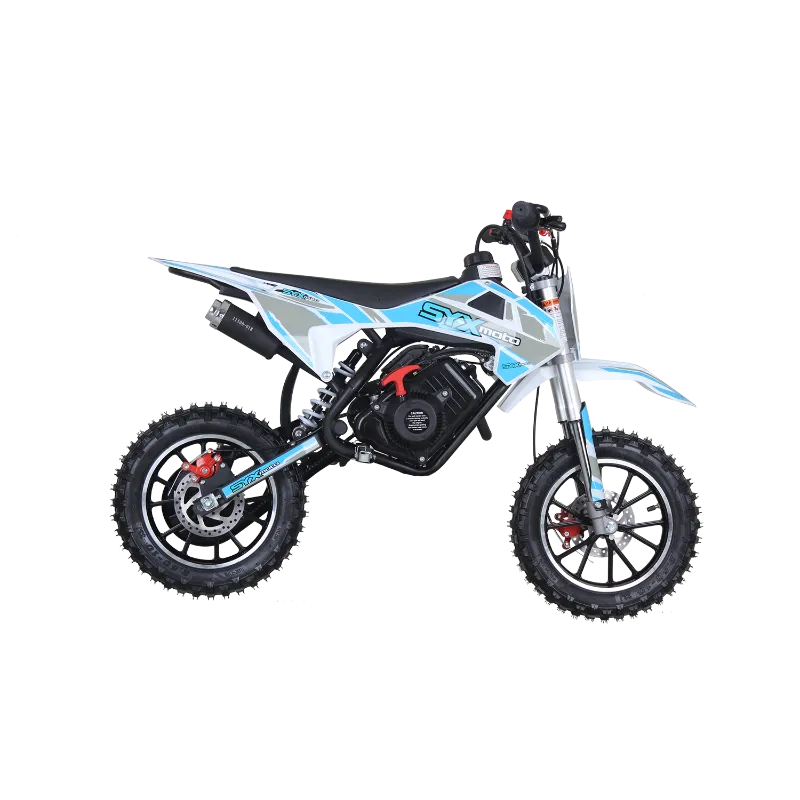
When shopping for gas powered dirt bikes versus electric alternatives, performance differences go far beyond the power source. We tested both types across real riding conditions to show you exactly what each delivers for young riders, from torque and range to ongoing costs and maintenance demands.
Power Delivery: Gas Powered Dirt Bikes vs Electric Torque
Gas models like the syx moto 50cc and 125cc dirtbike build power progressively through the RPM range, rewarding riders who learn clutch control and throttle modulation. Peak horsepower arrives higher in the rev band, making them ideal for riders ready to develop manual shifting skills.
Electric options such as the electric mini dirt bike deliver instant torque from a standstill. There's no clutch to master and no stalling, which shortens the learning curve for beginners. However, sustained high-speed runs drain the battery faster than a gas tank empties, limiting extended trail rides.
Key differences:
- Gas bikes require warm-up time and gradual power buildup
- Electric models hit peak torque immediately at any speed
- Throttle response feels sharper on electric, smoother on gas at higher RPM
Range and Refueling: Real-World Riding Time
A moto 125 dirt bike running on a full tank typically covers 40 to 60 miles of mixed terrain before needing a refill, which takes under two minutes at the pump. For all-day riding or remote trails, carrying a spare gallon extends your range indefinitely.
Electric mini dirt bikes average 8 to 15 miles per charge depending on rider weight, terrain, and throttle use. Recharging from empty takes three to six hours on a standard outlet, so a second battery becomes essential for back-to-back sessions. If you plan longer rides, check the latest price on models that support swappable battery packs.
| Feature | Gas Powered | Electric |
|---|---|---|
| Typical range | 40–60 miles | 8–15 miles |
| Refuel time | 2 minutes | 3–6 hours |
| Extended range | Carry fuel can | Buy second battery |
Maintenance Requirements and Long-Term Costs
Gas dirt bikes demand regular oil changes, air filter cleaning, spark plug replacement, and periodic valve adjustments. The gy6 engine and honda gy6 variants are well-documented, so dirt bike parts remain affordable and widely available. Budget around $100 to $150 per year for routine maintenance if you handle the work yourself.
Electric models skip oil, filters, and exhaust service entirely. You'll replace brake pads and tires just like any bike, but the motor and controller need almost no attention. Battery capacity does degrade over 300 to 500 charge cycles, and replacement packs can cost $200 to $400 depending on voltage and amp-hours.
Maintenance snapshot:
- Gas: oil every 10 hours, air filter every ride in dust, spark plug every season
- Electric: chain lube, brake check, tire pressure—battery replacement every two to three years
- Parts availability: gas engines have decades of aftermarket support; electric batteries are brand-specific
Who Each Type Suits Best
Gas powered dirt bikes for adults and confident teens (ages 13 to 15) who want higher top speeds and all-day range make the most of models like the moto 125 dirt bike or 125cc dirtbike. These bikes reward mechanical curiosity and perform best on open trails or tracks where noise regulations are relaxed.
Gas dirt bikes for 10 year olds through 12 year olds often start with a syx moto 50cc or similar small-displacement two-stroke. The lighter weight and lower seat height build confidence, while the manual clutch teaches foundational skills that transfer to full-size motorcycles.
Electric mini dirt bike models fit younger beginners (ages 6 to 10) and neighborhoods with strict noise limits. The silent operation and twist-and-go simplicity let kids focus on balance and steering without managing a clutch. Parents appreciate the ability to limit top speed electronically and the lack of fuel storage concerns.
For teens who ride multiple times per week and need sustained performance, gas remains the practical choice. If your rider practices in short backyard sessions or your local trails ban combustion engines, mini dirt bike electric options deliver enough power for skill-building without the maintenance overhead. Grab the code to save on either type and compare specs side by side.
Noise, Emissions, and Where You Can Ride
Gas engines produce 85 to 100 dB at full throttle, which limits access to some parks, HOA neighborhoods, and designated quiet zones. Two-stroke models emit unburned fuel in the exhaust, while four-strokes run cleaner but still require proper jetting and fuel mixing for optimal performance. Some gas powered dirt bikes for sale include USFS-approved spark arrestors for public land use.
Electric bikes operate at 60 to 70 dB—roughly the volume of normal conversation—and produce zero tailpipe emissions. This opens up riding areas that ban gas engines and makes backyard practice feasible without neighbor complaints. Battery disposal does require recycling through proper channels, but overall environmental impact remains lower across the bike's lifespan.
Riding access considerations:
- Check local trail regulations; many public lands welcome GASGAS Motorcycles and other USFS-compliant gas models
- Electric bikes fit apartment complexes and urban parks with noise ordinances
- Some motocross tracks restrict practice hours for gas bikes but allow electric anytime
Making the Right Choice for Your Rider
Choose gas if your rider craves longer range, higher top speeds, and the tactile engagement of shifting gears. The 125cc dirtbike category offers the best performance-per-dollar for teens ready to tackle technical terrain, and fuel economy stays reasonable even under hard use.
Pick electric if ease of use, silent operation, and minimal maintenance matter more than extended range. Younger riders progress faster without clutch distractions, and parents gain peace of mind with electronically governed speed limits. Browse youth dirt bikes to compare both types, then check current pricing to see which models fit your budget and riding goals.
Frequently asked questions
How long does a gas powered dirt bike run on one tank?
Most 50cc to 125cc gas dirt bikes run 40 to 60 miles on a single tank, depending on terrain and rider weight. Refueling takes under two minutes, so you can ride all day with a spare fuel can.
Are electric mini dirt bikes powerful enough for teens?
Mid-range electric models deliver enough torque for riders up to 150 pounds and handle moderate trails well. However, battery range limits extended rides, so they suit shorter practice sessions better than all-day adventures.
What age should a kid start on a 125cc dirt bike?
Most riders transition to a 125cc around age 13 to 15, once they have mastered clutch control on a smaller 50cc or 70cc bike. Physical size and riding experience matter more than age alone.
Do electric dirt bikes need any maintenance?
Electric models skip oil changes and air filters, but you still need to lube the chain, check brakes, and monitor tire pressure. Battery packs degrade over time and may need replacement every two to three years.
Can I ride a gas dirt bike in my neighborhood?
It depends on local noise ordinances. Gas bikes typically produce 85 to 100 dB, which exceeds limits in many residential areas. Electric models run quietly enough for backyard use without disturbing neighbors.
Which is cheaper to own long term, gas or electric?
Gas bikes cost more in routine maintenance—oil, filters, spark plugs—but parts are inexpensive and widely available. Electric bikes need almost no maintenance, but battery replacement every few years can cost $200 to $400.