
How to Install Training Wheels on a Youth Dirt Bike (Step-by-Step Guide)

How to Install Training Wheels on a Youth Dirt Bike (Step-by-Step Guide)
Dirt bike training wheels bolt directly to the rear axle or frame of most youth dirt bikes and give young riders the stability they need to master throttle, braking, and steering before they tackle balance. We tested aftermarket universal kits on a syx moto 50cc and an electric mini dirt bike, and the process is nearly identical across both gas and electric models. This guide walks you through measuring your bike, gathering tools, mounting the wheels, and making final adjustments so your rider can roll safely.
What You Need Before You Start
Check that your training wheel kit matches your bike's rear axle diameter and tire height. Most universal training wheels for 50cc dirt bike models fit axles between 10 mm and 14 mm, but some gas powered dirt bikes use thicker shafts. Measure the axle with calipers or a tape measure before ordering.
Gather these tools:
- Socket wrench set (typically 10 mm, 12 mm, 14 mm sockets)
- Adjustable wrench or spanner
- Torque wrench (optional but recommended)
- Hex key set
- Thread-locking compound
- Safety gloves
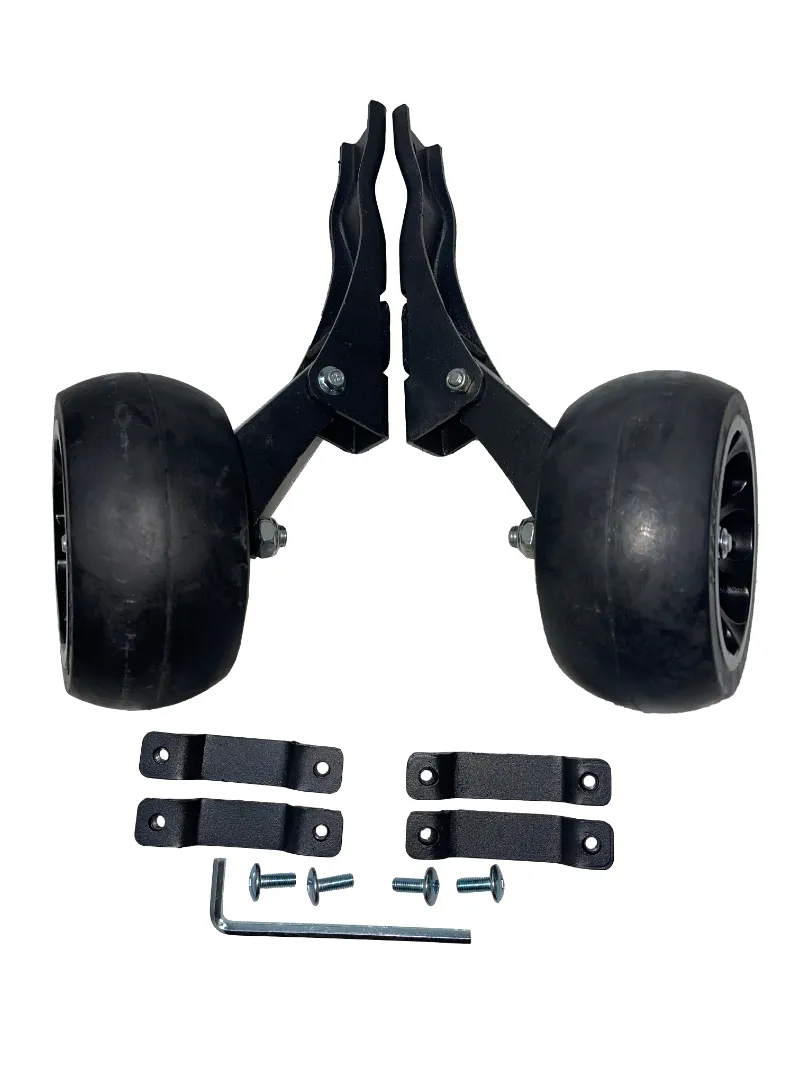
Your kit should include two wheel assemblies, mounting brackets, axle spacers, bolts, and lock nuts. If any hardware is missing, contact the supplier before you start. We also recommend having dirt bike parts on hand for replacements if your rear axle nut is worn.
Step 1: Prep the Bike and Remove the Rear Axle Nut
Park the bike on a flat, stable surface and engage the kickstand. For smaller models like the mini dirt bike electric, a milk crate or low stand keeps the rear wheel off the ground and makes installation easier.
Loosen the rear axle nut with your socket wrench. Most 50cc and youth bikes use a 12 mm or 14 mm nut. Turn counter-clockwise and slide the nut off the axle threads. Leave the axle in place for now. If the nut is seized, apply penetrating oil and wait five minutes before trying again.
Wipe down the axle threads with a rag to remove dirt and old grease. Clean threads prevent cross-threading and ensure the training wheel brackets sit flush.
Step 2: Slide the Mounting Brackets onto the Axle
Each training wheel bracket has a collar that slides over the rear axle. Position the first bracket on the left side of the bike, pushing it all the way against the chain-side hub or axle spacer. The training wheel should angle slightly outward, not straight down.
Repeat on the right side. The brackets should mirror each other. If your kit includes axle spacers or bushings, slide them into place between the bracket collar and the swingarm to prevent side-to-side wobble.
Some kits designed for a moto 125 dirt bike or 125cc dirtbike have longer arms to accommodate wider swingarms. For youth 50cc models, the arms are shorter and mount closer to the frame.
Step 3: Attach the Training Wheels and Tighten Hardware
Thread the training wheel assemblies onto the bracket arms. Most kits use a bolt-and-lock-nut design: slide the wheel axle through the bracket hole, add the wheel, then secure with the lock nut. Tighten by hand first to check alignment.
Hold the wheel steady and snug the lock nut with your wrench. The wheel should spin freely without binding. If it drags, loosen slightly and re-check. Apply a drop of thread-locking compound to prevent the nut from vibrating loose during rides.
Now tighten the rear axle nut back onto the bike's main axle. Torque to the manufacturer's spec (usually 20–30 Nm for 50cc bikes). If you do not have a torque wrench, tighten firmly by hand, then give it a quarter turn with the socket wrench.
Adjusting Height and Testing Stability
Training wheels should sit 1 to 2 inches off the ground when the bike is upright. This gap lets the rider feel the bike lean slightly into turns without tipping over. If the wheels touch the ground constantly, the bike will not teach balance and will wear the tires unevenly.
Most brackets have multiple bolt holes or a sliding clamp that raises or lowers the wheel. Loosen the mounting bolts, adjust the height, and re-tighten. We recommend starting with a 1-inch gap for absolute beginners and raising it to 2 inches as confidence grows.
Push the bike side-to-side to test. The training wheels should catch the bike before it leans past 15 degrees. Roll the bike forward a few feet and check that both wheels track evenly and do not wobble. If one wheel sits lower, adjust the bracket on that side.
Check the latest price and grab our code for 5% off training wheel kits and youth bike accessories at SYX MOTO.
Maintenance and Safety Checks
Inspect the mounting hardware every three to five rides. Vibration from off-road use can loosen bolts, especially on gas powered dirt bikes with higher engine vibration. Re-tighten any loose nuts and replace worn lock washers.
Check the training wheels for cracks, bent axles, or flat spots on the tires. Budget kits sold on Amazon and other marketplaces often use plastic hubs that crack after a few dozen hours. Metal hubs last longer and handle rough terrain better.
Teach your rider to avoid sharp turns at speed while training wheels are installed. The wheels prevent tipping but can catch on rocks or roots and throw the bike off-line. Start on flat grass or packed dirt before moving to trails.
As your rider gains confidence, raise the training wheels gradually until they rarely touch the ground. Most kids transition off training wheels after 10 to 20 hours of practice. When you are ready to remove them, reverse the installation steps and store the kit for the next beginner or resale.
Who Should Use Training Wheels on a Dirt Bike
Training wheels work best for riders aged 3 to 7 who are learning on a 50cc or small electric model. Kids who can already balance a bicycle may skip training wheels entirely and go straight to low-speed practice with a spotter.
Heavier bikes like a moto 125 dirt bike can use training wheels, but the added weight makes the setup harder to control. We recommend limiting training wheels to bikes under 70 pounds unless you are working with a rider who has physical balance challenges.
Adults learning on larger bikes sometimes search for motorcycle training wheels for adults, but most aftermarket kits do not fit full-size frames. For adult learners, a balance bike drill or a trials bike with a low seat height teaches the same skills without modifications.
Universal training wheels for 50cc dirt bike models remain the most popular choice. They fit brands like SYX MOTO, Yamaha, Honda, and KTM with minimal adjustment. If you are shopping for dirt bike training wheels near me or dirt bike training wheels for sale locally, verify the axle diameter and bring your bike's manual to the shop. Online retailers like Amazon stock dozens of kits with detailed fit charts.
For riders who outgrow a 50cc quickly, consider starting on an electric mini dirt bike with adjustable power modes. Training wheels pair well with electric models because the smooth throttle response and lack of clutch let kids focus entirely on steering and body position. Once they master those skills, you can remove the wheels and bump up the power setting.
Visit our SYX MOTO discount code page to save on youth bikes, training wheels, and essential dirt bike parts for your build.
Frequently asked questions
What size dirt bike can use training wheels?
Training wheels fit most 50cc and electric youth dirt bikes with rear axles between 10 mm and 14 mm. Bikes over 70 pounds or with wide swingarms may require custom brackets.
How high off the ground should training wheels sit?
Set training wheels 1 to 2 inches off the ground when the bike is upright. This gap lets the rider feel the bike lean into turns while preventing a full tip-over.
Can I install training wheels on a gas dirt bike and an electric model?
Yes. The installation process is identical as long as the rear axle diameter matches your training wheel kit. Both gas and electric youth bikes use similar axle sizes.
How often should I check the training wheel bolts?
Inspect and re-tighten all mounting hardware every three to five rides. Vibration from riding loosens bolts over time, especially on rough terrain.
Do I need a torque wrench to install training wheels on a youth dirt bike?
A torque wrench is optional but recommended for the rear axle nut to avoid over-tightening. For training wheel bracket bolts, hand-tight plus a quarter turn with a wrench is usually sufficient.
Where can I buy universal training wheels for a 50cc dirt bike?
Universal kits are available online through Amazon, eBay, and direct from brands like SYX MOTO. Check the axle diameter specs before ordering to ensure a proper fit.