
How Long Do GY6 Engines Last? Maintenance Tips for Longevity

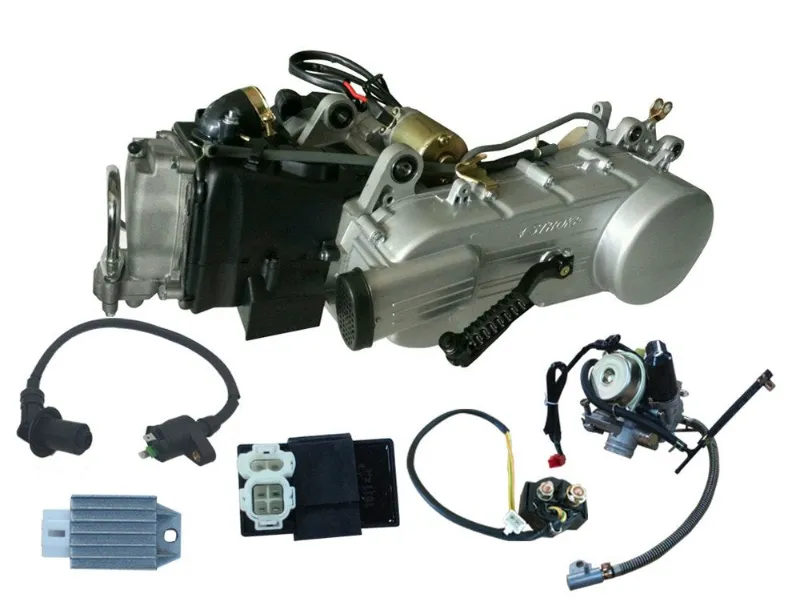
A gy6 engine typically lasts 20,000 to 50,000 miles when maintained properly, though many riders report significantly longer lifespans with diligent care. The platform's reputation for reliability stems from its simple four-stroke design and widespread availability of dirt bike parts for rebuilds. Whether you're running a syx moto 50cc or a larger displacement variant, understanding what affects longevity and how to protect your investment ensures you get the most out of this workhorse engine.
What Affects GY6 Engine Longevity
Several factors determine how long your engine survives before requiring major service or replacement. Build quality varies widely between manufacturers—some honda gy6 clones use softer metals or looser tolerances that accelerate wear. Displacement also plays a role: a gy6 engine 50cc under light load will generally outlast a heavily modified gy6 engine 250cc pushed to its limits.
Operating conditions matter just as much as the hardware itself. Engines subjected to frequent short trips never reach full operating temperature, allowing moisture and contaminants to accumulate in the oil. Dusty environments without proper air filtration cause premature cylinder and ring wear. Heat is another enemy—inadequate cooling on a gy6 engine 150cc can warp the head or damage valve seats, especially during summer riding or hill climbs.
Rider habits round out the equation. Aggressive throttle use, excessive idling, and neglecting the break-in period all shorten service life. Conversely, smooth acceleration, regular warm-ups, and following the manufacturer's run-in guidelines can add tens of thousands of miles to the odometer.
Essential Maintenance Schedule for Maximum Life
Consistent service intervals are the single most effective way to protect your investment. We recommend the following baseline schedule, adjusted for your specific displacement and usage:
- Oil changes every 500 to 1,000 miles using the correct viscosity (10W-40 for most climates). Fresh oil prevents sludge buildup and maintains proper valve-train lubrication.
- Air filter inspection every 300 miles, with cleaning or replacement as needed. A clogged filter starves the engine and leads to rich running.
- Valve adjustment every 2,000 to 3,000 miles to maintain proper clearance. Tight valves burn, loose valves hammer the seats.
- Spark plug replacement every 3,000 to 5,000 miles. A fouled or worn plug causes misfires and incomplete combustion.
- Drive belt and variator inspection every 2,000 miles. While not engine internals, a failing belt can strand you and stress the crankshaft.
- Coolant flush every two years (liquid-cooled variants). Old coolant loses corrosion inhibitors and can damage the water jacket.
For riders on gas powered dirt bikes or youth dirt bikes that see trail use, cut these intervals in half. Mud, dust, and water crossings accelerate component degradation. Check the latest price on maintenance supplies and filters to keep costs manageable across the season.
Common Wear Points and How to Address Them
Even with perfect maintenance, certain components wear faster than others. The piston rings and cylinder bore are the most frequent casualties, especially on gy6 engine 125cc and larger builds. Symptoms include excessive oil consumption, blue smoke on startup, and declining compression. A basic top-end rebuild—piston, rings, and a cylinder hone—restores performance for a fraction of the cost of a new engine.
Valve train wear is another predictable issue. Rocker arms, valve stems, and cam lobes develop wear patterns over time, leading to noisy operation and poor sealing. Regular adjustment catches problems early, but eventually you'll need to replace worn components. The gy6 engine platform benefits from a huge aftermarket, so sourcing quality parts is straightforward.
The variator and clutch on CVT-equipped models also demand attention. Worn roller weights cause erratic engagement and bog, while a glazed clutch slips under load. Inspect these components during belt changes and replace them as a set when performance degrades. Many riders upgrading to performance parts discover PERFORMANCE PARTS - ENGINE (COMPLETE) options that improve both durability and power.
Don't overlook the electrical system. The stator and regulator-rectifier work hard to keep the battery charged and the ignition firing. A failing stator starves the CDI, causing weak spark and hard starting. Test charging output annually and replace marginal components before they leave you stranded.
Modifications That Help (and Hurt) Lifespan
Certain upgrades extend engine life, while others trade longevity for performance. An improved cooling system—upgraded fan, larger radiator, or better airflow—is one of the best investments for a gy6 engine 200cc or larger. Lower operating temperatures reduce thermal stress and slow oil degradation.
High-flow air filters and free-flowing exhausts increase power but require proper jetting or fuel mapping. Running lean generates excessive heat and causes piston crown damage. If you modify the intake or exhaust, invest in a wideband air-fuel gauge or dyno tune to ensure safe combustion temperatures.
Big-bore kits and stroker cranks are popular gy6 engine 300cc conversions, but they demand upgraded internals to survive. Forged pistons, stronger rods, and uprated valve springs are essential for reliability at elevated displacements. Skimping on these supporting mods leads to catastrophic failures within a few hundred miles.
Oil coolers are another worthwhile addition for hard-use scenarios. Even air-cooled engines benefit from lower oil temperatures, especially during extended highway runs or towing. Many enthusiasts on forums like this GY6 engine discussion report measurably longer service intervals after adding an oil cooler.
For riders considering an electric mini dirt bike as a complement to their gas fleet, maintenance demands drop dramatically—no oil, no valves, no spark plugs. Electric models suit younger riders on youth dirt bikes who are still learning mechanical sympathy.
Troubleshooting and Rebuilding for Extended Use
When performance declines, a systematic diagnosis saves time and money. Start with a compression test—healthy engines show 120 to 150 psi depending on displacement. Low compression points to rings, valves, or head gasket issues. A leak-down test isolates the problem area by pressurizing the cylinder and listening for escaping air.
Oil analysis is an underutilized tool for catching problems early. Send a sample to a lab after every few oil changes to track metal content, fuel dilution, and contamination. Rising aluminum or iron levels signal accelerating wear, giving you time to plan a rebuild before a catastrophic failure.
Many riders tackle their own rebuilds, and the GY6 platform is beginner-friendly. Complete engines are available from suppliers like Red Fox Powersports, but piecing together quality components often yields a stronger result. Focus on precision measuring—piston-to-cylinder clearance, ring end gaps, and bearing tolerances all affect longevity.
If you're not mechanically inclined, a professional rebuild typically costs less than half the price of a replacement vehicle. Source your own parts to control quality, then pay a shop for assembly and break-in. Grab the code for discounts on parts bundles and save even more.
Signs It's Time for a Rebuild or Replacement
Recognizing when an engine has reached the end of its service life prevents you from throwing good money after bad. Persistent low compression across multiple cylinders (single-cylinder engines show one reading) despite fresh rings suggests bore taper or cylinder damage requiring machining or replacement.
Excessive crankshaft runout or main bearing noise indicates bottom-end failure. This repair requires a complete teardown and specialized tools, often making a replacement engine more economical. If you're already facing a bottom-end rebuild, consider stepping up to a larger displacement or a fresh moto 125 dirt bike or 125cc dirtbike model with a warranty.
Oil contamination with coolant (milky appearance) or persistent overheating despite new coolant and thermostat point to cracked castings or head warping. These issues rarely justify the repair cost unless you're rebuilding for sentimental reasons or the frame and running gear are in exceptional condition.
Finally, if you've already performed multiple top-end rebuilds and you're facing another, calculate the total invested versus the cost of a new or low-mileage used engine. Sometimes starting fresh makes more financial sense, especially when you factor in your time and the risk of chasing multiple problems in an aging powerplant.
A well-maintained GY6 engine delivers years of reliable service across a range of applications, from commuter scooters to gas powered dirt bikes. Stick to the maintenance schedule, address wear points proactively, and resist the temptation to cut corners on parts quality—your engine will reward you with tens of thousands of trouble-free miles.
Frequently asked questions
How many miles can a GY6 engine last with regular maintenance?
A properly maintained GY6 engine typically lasts 20,000 to 50,000 miles, with many owners reporting 60,000 miles or more when following strict maintenance schedules and using quality parts.
What is the most important maintenance task for GY6 longevity?
Regular oil changes every 500 to 1,000 miles are the single most critical task. Fresh oil prevents sludge buildup, maintains valve-train lubrication, and removes combustion contaminants that accelerate wear.
Do larger displacement GY6 engines wear out faster?
Generally yes—a GY6 150cc or 200cc engine under heavy load experiences more stress than a 50cc variant. However, proper cooling, appropriate jetting, and avoiding over-revving can equalize lifespans across displacements.
When should I consider rebuilding instead of replacing my GY6 engine?
Rebuild when compression drops but the bottom end is healthy, or when you're upgrading displacement. Replace when you face crankshaft or main bearing damage, cracked castings, or you've already completed multiple top-end rebuilds.
Can performance modifications extend GY6 engine life?
Some can—upgraded cooling systems, oil coolers, and better filtration extend life. However, big-bore kits and aggressive tuning reduce longevity unless you also upgrade pistons, rods, and valve springs to handle the added stress.
How often should I adjust valves on a GY6 engine?
Adjust valve clearances every 2,000 to 3,000 miles under normal use, or every 1,000 to 1,500 miles for off-road and high-performance applications. Proper clearance prevents valve burning and seat damage.