
Is the Engwe Class 2 Ebike a Practical Daily Commuter in 2025?

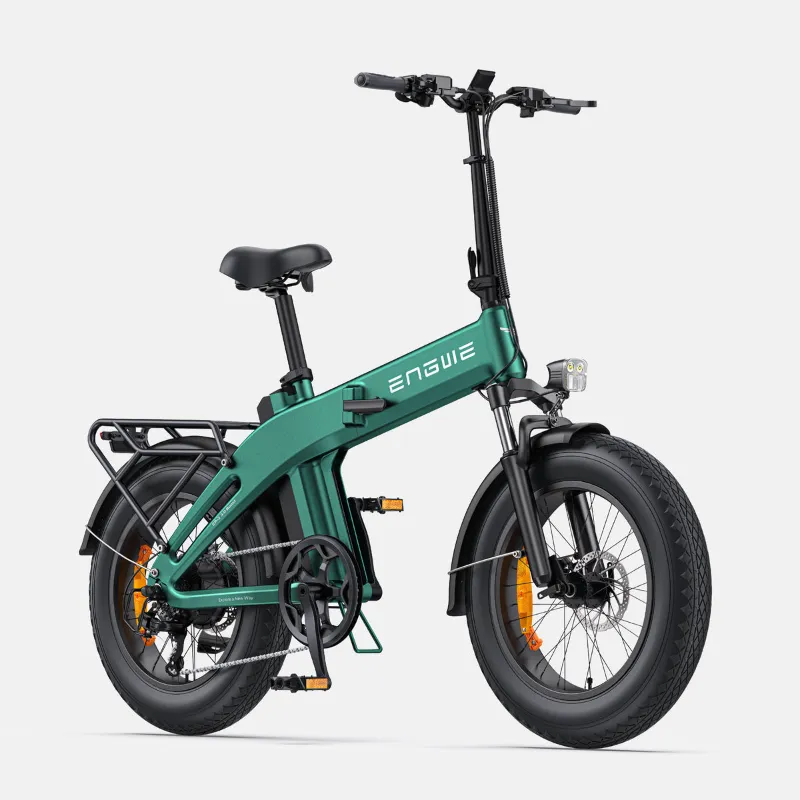
A class 2 ebike is defined by two things: pedal assist up to 20 mph and a throttle you can use without pedaling at all, and Engwe's lineup leans hard into both. That combination makes it genuinely compelling for commuters who want flexibility without the legal grey areas that come with faster Class 3 machines. Here is everything you need to decide whether one deserves a spot in your garage.
What Is a Class 2 Ebike, and How Does It Differ from Class 1 and Class 3?
Understanding where the Engwe sits in the ebike hierarchy saves you from nasty surprises at the trailhead or on the bike path. For a full breakdown of all three tiers, the Class 1, Class 2, and Class 3 e-bikes guide from Vivi Bikes is worth a read.
| Class | Max Assisted Speed | Throttle? | Common Access |
|---|---|---|---|
| Class 1 | 20 mph | No | Most bike paths and trails |
| Class 2 | 20 mph | Yes | Most bike paths and trails |
| Class 3 | 28 mph | Sometimes | Roads, fewer shared paths |
The key takeaway: a class 2 ebike matches Class 1 on trail access while adding throttle convenience. Class 3 is faster but is banned from many protected paths and requires more paperwork in several states.
How Fast and Powerful Is the Engwe Class 2 Ebike?
Class 2 ebike speed tops out at 20 mph under motor assistance, which is the federal ceiling for throttle-equipped bikes in the US. Engwe builds several models around a 750W motor, which is the sweet spot for climbing hills without draining the battery before you reach your destination. A 750W class 2 ebike at 20 mph is quick enough to keep pace with urban traffic and brisk enough that you will not hold up a bike lane.
If you want to verify real-world range and performance numbers from independent testers, Class 2 Electric Bike Reviews on Electric Bike Report covers a wide field of models with consistent methodology.
For riders who need maximum terrain versatility, the fat tire ebike in the Engwe range handles gravel, sand, and potholed city streets that would rattle a narrower tire to pieces. If storage or transit is part of your commute, the folding ebike folds down to slide under a desk or into a trunk, keeping the same class 2 credentials in a far more compact package.
Is It Practical for Daily Commuting? Honest Pros and Cons
Where the Engwe class 2 ebike genuinely earns its keep:
- The throttle gets you moving from a dead stop without clipping into pedals, which matters at busy intersections
- 20 mph is fast enough for most urban and suburban routes without triggering Class 3 restrictions
- Wide trail and bike-path access means you can take scenic or protected routes instead of riding alongside car traffic
- Engwe's frame geometry on most models keeps an upright, comfortable posture for 30 to 60 minute rides
Where you should temper expectations:
- 20 mph is the ceiling, so if you regularly need to keep pace on 30 mph roads, a Class 3 is a better fit
- Heavier fat-tire variants weigh more, which matters if you have stairs at home or work
- Range varies by terrain, rider weight, and how much you lean on the throttle versus pedal assist
For longer trips, pairing the bike with a bike bag lets you carry a laptop, lunch, and a rain jacket without a backpack sweating up your back. A bike pump lives in that bag too, because a flat commute is always worse than it sounds.
Who Is the Engwe Lineup Actually Built For?
Engwe's range is broad enough that different riders land on different models.
- Urban commuters on paved paths: The standard electric bike with mid-range tires is light, nimble, and quick to charge
- Mixed-terrain or rural riders: The fat tire ebike soaks up rough surfaces and handles light off-road sections without flinching
- Multimodal commuters (bike plus train or bus): The folding ebike is the obvious answer when the last mile involves a luggage rack or a crowded carriage
- Riders comparing an ebike to a scooter: The foldable electric scooter is worth looking at if you mostly travel on smooth pavement and do not need pedaling as a backup
If you are still unsure whether a class 2 ebike or a conventional hybrid bike suits your route, map your typical commute and count the hills. A hybrid is lighter and cheaper; the Engwe ebike wins every time a climb appears.
Maintenance and Accessories Worth Thinking About
An Engwe is a serious piece of kit, and treating it like one keeps it running for years.
- Chain care: A bike chain tool lets you fix or replace a stretched chain at home instead of paying a shop for a 20-minute job
- Tire pressure: Keep it in the recommended range with a reliable bike pump; under-inflated tires on a heavy ebike accelerate tread wear fast
- Storage: A quality bike bag protects gear and shifts weight to the bike rather than your spine on long days
For general upkeep questions specific to ebike drivetrains, the community threads at Electric Bike Forums are an honest, experience-based resource that goes well beyond manufacturer documentation.
How to Get the Best Price on an Engwe Ebike Right Now
Engwe runs a current 10% off sitewide deal, and you can grab the code to apply it at checkout. Given how wide the Engwe range is, that discount applies whether you land on the fat tire build, the folder, or the standard commuter model.
If you are comparing a few configurations before committing, check the latest price and available models to see what is in stock, since availability shifts regularly and some variants sell out between restocks.
The Bottom Line
For most daily commuters covering urban or suburban routes in 2025, a class 2 ebike from Engwe is a genuinely practical choice. The throttle is the feature that separates it from a Class 1 without costing you trail access, and the 20 mph ceiling keeps you legal on protected paths in almost every US state. Pair it with the right accessories, maintain the chain and tires, and it should commute reliably for years.
Frequently asked questions
What is the top speed of a class 2 ebike?
A class 2 ebike is legally capped at 20 mph under motor assistance, whether you are using pedal assist or the throttle. Riding faster under your own pedaling power is permitted, but the motor cuts off at that limit.
Can I ride an Engwe class 2 ebike on bike paths and trails?
In most US states, yes. Class 2 ebikes share the same access rules as Class 1 bikes on the majority of protected bike paths, multi-use trails, and shared lanes. Always check local ordinances, since a small number of parks and preserves restrict all motorized bikes regardless of class.
What is the difference between a class 2 ebike vs class 3?
The main differences are speed and trail access. A Class 2 tops out at 20 mph with a throttle and is welcome on most shared paths. A Class 3 can reach 28 mph but is restricted from many bike paths and sometimes requires registration depending on the state.
Is a 750W motor enough for hilly commutes on an Engwe fat tire ebike?
A 750W motor handles moderate hills comfortably for most rider weights, especially combined with pedal assist. Very steep or prolonged climbs will draw down the battery faster, so plan your route and charge accordingly.
Do I need special tools to maintain an Engwe electric bike at home?
Basic maintenance needs are similar to a conventional bicycle. A bike chain tool covers most drivetrain work, and a quality bike pump keeps tire pressure in the safe range. For anything involving the motor controller or battery, Engwe's support documentation or a certified ebike technician is the better route.
Which Engwe model is best if I also take public transit?
The folding ebike is designed exactly for multimodal commuters. It folds down small enough to bring onto a bus, train, or into an office without needing a dedicated bike storage area.