
Engwe Electric Bike Not Holding a Charge? Common Causes and Fixes

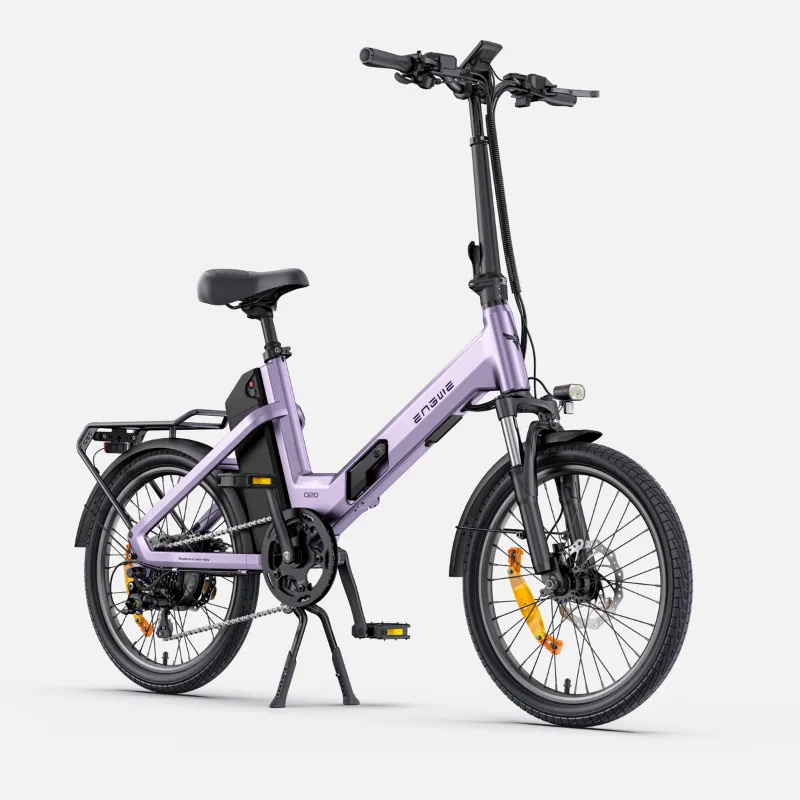
If your electric bike won't hold a charge, the problem usually traces back to the battery pack, the charger connection, or how the bike is being stored and ridden. Before you assume the worst, work through the common causes below — most Engwe riders can resolve this without sending anything in for service.
Why Your Electric Bike Loses Charge Faster Than It Should
Battery range anxiety is one of the top complaints among electric bike for adults owners, and it is almost never one single cause. A combination of small factors quietly drains capacity over time. Here are the most frequent culprits:
- Aged or degraded battery cells — Lithium-ion cells lose capacity with every charge cycle. After several hundred cycles, noticeable range drop is normal.
- Partial charging habits — Repeatedly charging to 100% and letting the pack drain to near zero accelerates cell degradation faster than shallow cycles do.
- Extreme temperatures — Storing or charging the battery in a hot garage or freezing shed permanently reduces usable capacity.
- A failing charger — A charger that does not reach the correct cutoff voltage leaves cells under-charged even when the indicator says full.
- Parasitic drain — Leaving the display or lights on while the bike sits depletes the pack slowly but steadily.
- High-load riding — Heavy throttle use, steep hills, under-inflated tires, and carrying extra weight all shorten each ride significantly.
Understanding which factor applies to your situation is the fastest path to a real fix.
How to Diagnose the Battery vs. the Charger
Start with the simplest test before replacing anything expensive.
- Check the charger output voltage with a multimeter at the charging port. Compare it to the rated output printed on the charger label. A reading more than 0.5 V below spec means the charger is the problem, not the battery.
- Inspect the charging port and cable for bent pins, corrosion, or a loose connection. A poor contact point means the battery never actually reaches a full charge.
- Perform a full charge cycle in a room-temperature environment (ideally 60–75°F). If the charge indicator light never turns green, or turns green suspiciously fast, the charger is suspect.
- Note the resting voltage after a full charge and again after a typical ride. A battery that drops steeply in resting voltage between sessions has degraded cells.
If the charger checks out but the battery still drains fast, the issue is almost certainly inside the pack itself.
Fixes You Can Do at Home
Many charge issues are fully recoverable without professional help.
- Replace the charger first. It is the cheapest swap and fixes the problem more often than riders expect.
- Recalibrate the battery management system (BMS). Run the pack all the way down to the low-battery cutoff, then charge uninterrupted to 100%. This re-syncs the BMS display with actual capacity.
- Keep tire pressure correct. An under-inflated fat tire ebike tire can add meaningful rolling resistance and cut range by a noticeable margin. Keep a quality bike pump on hand and check pressure before every ride.
- Reduce parasitic drain. Power the display fully off after parking and disconnect the battery if the bike will sit more than a week.
- Store at partial charge. For long storage, leaving the battery at roughly 50–60% charge rather than 100% preserves cell chemistry.
For a broader look at what separates a well-built e-bike from one prone to battery problems, Consumer Reports' electric bike buying guide is a solid reference.
When the Battery Needs to Be Replaced
Some signs point clearly to a battery that has reached end of life:
- Range is less than half of what it was when the bike was new, even after a full overnight charge
- The battery gets noticeably warm during charging or riding (beyond mild warmth)
- The BMS cuts the power mid-ride at what should still be a healthy state of charge
- Charge time has dropped dramatically — a pack that now "fills" in half the usual time is not actually receiving a full charge
If you are at this stage, check our Engwe discount page for the current 10% OFF code before ordering a replacement battery or accessories. It applies sitewide and can offset the cost of parts meaningfully.
Riding Habits That Protect Your Battery Long-Term
The electric bike for adults market has grown quickly, and so has the research on best charging practices. Small behavioral changes make a real difference in how long a pack stays healthy.
| Habit | Battery Impact |
|---|---|
| Charge to 80–90% for daily use | Extends cycle life significantly |
| Avoid full 0% discharge | Reduces stress on cells |
| Store at room temperature | Prevents capacity loss |
| Use the included or OEM charger | Ensures correct cutoff voltage |
| Check tire pressure weekly | Lowers motor load, saves range |
If you ride a folding ebike that sits in a bag or closet between commutes, temperature and storage charge level matter even more because airflow around the pack is limited.
Choosing the Right Engwe Model If You Need an Upgrade
If your current battery has truly reached end of life and your frame has seen better days, it may make more sense to upgrade rather than repair. Engwe offers several options suited to different riders:
- The fat tire ebike suits riders who tackle rough terrain or want extra stability — the larger tires do add rolling resistance, so battery management matters more here.
- The folding ebike is ideal for commuters who need portability without sacrificing range.
- Riders looking for something closer to an electric dirt bike experience will want a model with a reinforced frame and higher-capacity pack built for varied terrain.
Wired's roundup of the best electric bikes for every rider is worth a read if you want a third-party benchmark before deciding on a new model.
Whatever direction you go, grab the latest Engwe discount code before you check out — the current offer takes 10% off all orders sitewide.
Quick Maintenance Checklist Before Every Ride
Staying on top of basic maintenance keeps battery drain predictable and avoids surprise failures mid-ride.
- Inflate tires to the recommended PSI with a reliable bike pump
- Check that the battery is fully seated and the connector is secure
- Wipe down charging contacts if the bike has been ridden in wet conditions
- Power off the display after parking
- Keep a bike bag handy to protect accessories and carry a spare charger cable on longer rides
A few minutes of prep before each outing is the simplest insurance against battery-related headaches down the road.
Frequently asked questions
Why does my electric bike show a full charge but die quickly on a ride?
This is usually a sign that the battery management system (BMS) has lost calibration or that the cells have degraded and can no longer hold the capacity the display reports. Try a full discharge-to-recharge cycle to recalibrate the BMS, and if the problem persists, the battery pack likely needs replacing.
How many charge cycles should an Engwe electric bike battery last?
Most lithium-ion e-bike battery packs are rated for roughly 500 to 800 full charge cycles before capacity drops noticeably, though partial charging and good temperature management can extend that. Engwe's product pages list the specific cycle rating for each model's battery.
Can a bad charger permanently damage my e-bike battery?
Yes. A charger that overcharges or repeatedly undercharges the pack stresses the cells and shortens overall battery life. Always use the included charger or a verified OEM replacement that matches your battery's rated voltage and cutoff.
Does riding a fat tire ebike drain the battery faster than a standard ebike?
It can, because wider tires create more rolling resistance, especially at lower pressures. Keeping your fat tire ebike inflated to the recommended PSI and using pedal assist rather than full throttle on flat terrain will help preserve range per charge.
Is it safe to leave my folding ebike charging overnight?
Most modern Engwe models have a BMS that stops charging at full capacity, so occasional overnight charging is generally safe. For long-term battery health, though, it is better to unplug once the indicator shows a full charge rather than leaving it connected indefinitely.
Where can I get a discount on Engwe electric bike accessories and replacement parts?
You can find the current sitewide Engwe discount code on our coupon page at /engwe-discount-code, which right now offers 10% off all orders including accessories like chargers and bike pumps.