
Engwe Folding Ebike vs. Fat Tire Ebike: Which One Is Right for Your Ride?

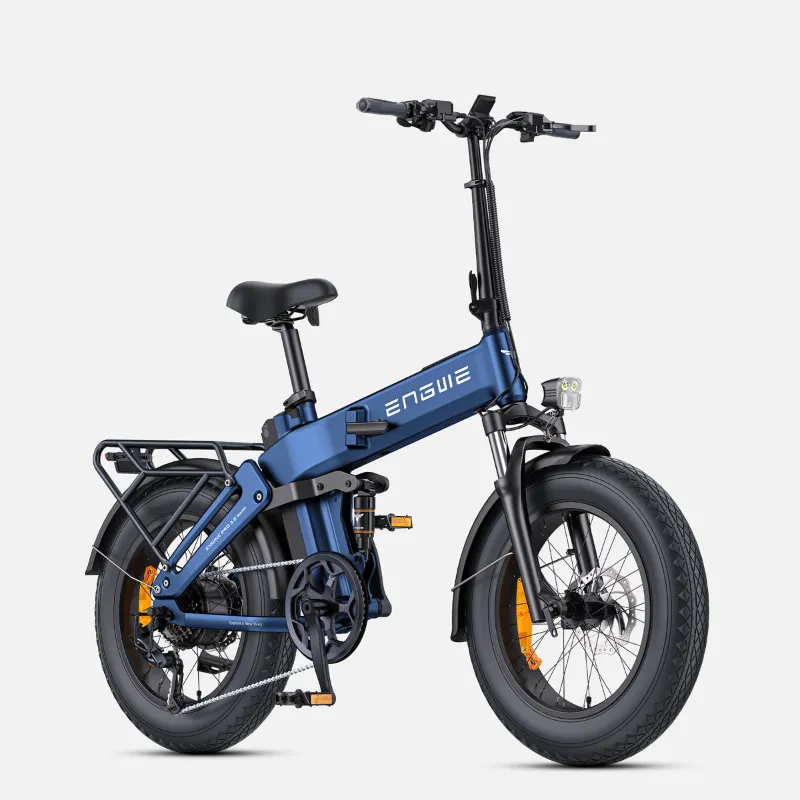
A fat tire ebike handles terrain that would stop a standard electric bike cold — loose gravel, packed snow, beach sand, and rutted trails all become manageable with 4-inch-plus tires and a capable motor. Engwe builds both fat tire and folding models, and the right one depends entirely on where and how you ride. This guide breaks down the real differences so you can decide quickly and confidently.
What Makes a Fat Tire Ebike Different?
Fat tires — typically 4 to 5 inches wide — create a much larger contact patch with the ground than standard tires. That extra surface area does two things: it absorbs bumps passively (less need for suspension travel) and it grips loose or slippery surfaces that narrow tires simply cannot. For a fat tire electric bike for adults who want one bike that handles multiple environments, that versatility is the core selling point.
Key characteristics of a fat tire ebike:
- Wider tires (4"+) that float over sand, snow, mud, and gravel
- Heavier frame built to handle the additional stress of off-road riding
- Higher torque motors to push the extra weight and tackle steep inclines
- Lower tire pressure for a cushioned, stable ride without a suspension fork
- Upright geometry that suits trail confidence over aerodynamic efficiency
If you want deeper context on how fat tires perform across terrain types, Electric Bike Review's fat tire category is one of the most thorough independent resources available.
What Makes a Folding Ebike the Better Choice for Some Riders?
The folding ebike trades raw terrain capability for everyday practicality. Engwe's folding models collapse in seconds, fit in a car trunk, slide under a desk, or ride a subway car without drawing complaints from other passengers.
Benefits of a folding ebike:
- Compact storage for apartments, offices, and small garages
- Lighter overall weight compared to full-sized fat tire builds
- Multi-modal commuting — fold, hop on transit, unfold, ride the last mile
- Easier transport when you travel or need to load the bike into a vehicle frequently
- Lower rolling resistance on paved urban surfaces
A folding ebike is the smarter pick for city riders who cover predictable, smooth routes and need the bike to disappear when they are not on it.
Head-to-Head Comparison: Fat Tire vs. Folding
| Feature | Fat Tire Ebike | Folding Ebike |
|---|---|---|
| Best terrain | Off-road, sand, snow, gravel | Pavement, bike lanes, mixed urban |
| Portability | Low to moderate | High |
| Ride comfort | High (passive cushioning) | Moderate |
| Typical motor range | 750W to 1000W+ | 250W to 750W |
| Storage footprint | Large | Small |
| Ideal rider | Adventurers, trail riders | Commuters, multi-modal users |
For riders who want expert-tested recommendations across the fat tire category, Electric Bike Report's best fat tire electric bikes guide covers a wide field and helps calibrate expectations on motor power and range.
Motor Power: How Much Do You Actually Need?
Motor wattage comes up constantly in buyer conversations — searches for a fat tire electric bike 1000w, fat tire electric bike 2000w, and even fat tire electric bike 5000w are all common, and for good reason. More watts mean more torque for climbing and more confidence on technical terrain, but they also mean heavier batteries and higher costs.
Here is a practical breakdown:
- 500W to 750W — Plenty for flat to moderately hilly terrain, lighter riders, and mixed pavement and gravel use
- 1000W — The sweet spot for most off-road riding, heavier riders, and steeper grades
- 2000W+ — Purpose-built for aggressive trail riding or cargo hauling; overkill for casual use
Engwe's fat tire lineup covers the most popular wattage tiers. Check the latest pricing and available motor options before you buy — the range expands regularly.
Accessories That Make Either Bike More Capable
Whichever style you choose, a few accessories raise the experience significantly:
- Bike pump — Fat tires need precise low pressure (often 5 to 15 PSI); a quality floor pump with a gauge is essential
- Bike bag — Frame or handlebar bags add practical cargo capacity without a rack
- Bike chain tool — Both fat tire and folding drivetrains need occasional chain maintenance; a compact tool belongs in your kit
If you ride in varied conditions and want something between off-road aggression and urban smoothness, also consider Engwe's hybrid bike, which bridges the gap with medium-width tires and a more versatile geometry.
Who Should Buy Each Type?
Choose a fat tire ebike if you:
- Ride on gravel, dirt, sand, grass, or snow regularly
- Want a single bike that handles trail rides and casual road use
- Prioritize ride comfort over packability
- Are a heavier rider who wants maximum stability and traction
Choose a folding ebike if you:
- Commute by train, bus, or car and need the bike to travel with you
- Live in a small space with limited storage
- Mostly ride paved roads and bike paths
- Want to grab the bike quickly for short, spontaneous trips
Still unsure? Grab the Engwe discount code and browse both categories side by side — seeing the actual specs and current prices often makes the decision clear immediately.
Final Verdict
The best fat tire ebike for adults who want off-road freedom and year-round versatility is hard to beat in its category. But if your riding life is urban and your storage space is tight, a folding ebike earns its keep every single day. Pick the one that matches your real riding habits, not an idealized version of them, and either way you get a capable Engwe machine built for the long haul.
Frequently asked questions
What is the advantage of a fat tire ebike over a regular electric bike?
Fat tires (typically 4 inches or wider) create a larger contact patch that grips loose, slippery, or uneven surfaces far better than standard tires. They also absorb bumps passively, reducing the need for a full suspension system and giving a more comfortable ride on rough terrain.
Can a folding ebike handle off-road trails?
Most folding ebikes are designed for pavement and light gravel rather than technical off-road use. Their smaller wheels and lighter frames prioritize portability over trail stability, so if off-road riding is a priority, a fat tire model is a better fit.
How much motor power do I need in a fat tire electric bike for adults?
For most adult riders on mixed terrain, a 750W to 1000W motor is the practical sweet spot — enough torque for hills and gravel without being excessive for everyday use. Higher wattages like 2000W are better suited to aggressive trail riding or heavier cargo loads.
Is a fat tire ebike heavier and harder to store than a folding model?
Yes, fat tire ebikes are generally heavier and have a larger footprint than folding models due to wider tires, a sturdier frame, and bigger batteries. If storage space or portability is a key concern, a folding ebike is the more practical choice.
What tire pressure should I run on a fat tire ebike?
Fat tires typically run at much lower pressures than standard bike tires, often between 5 and 15 PSI depending on terrain, rider weight, and tire width. A floor pump with an accurate gauge is essential since small pressure changes make a noticeable difference in ride feel and traction.
Can I use a discount code on Engwe fat tire and folding ebike models?
Yes — The Planet Deals offers an Engwe discount code that applies across their lineup including both fat tire and folding models. Check the current code and eligible products on the coupon page before you order.