
How to Extend the Life of Pressureless vs Pressurized Tennis Balls

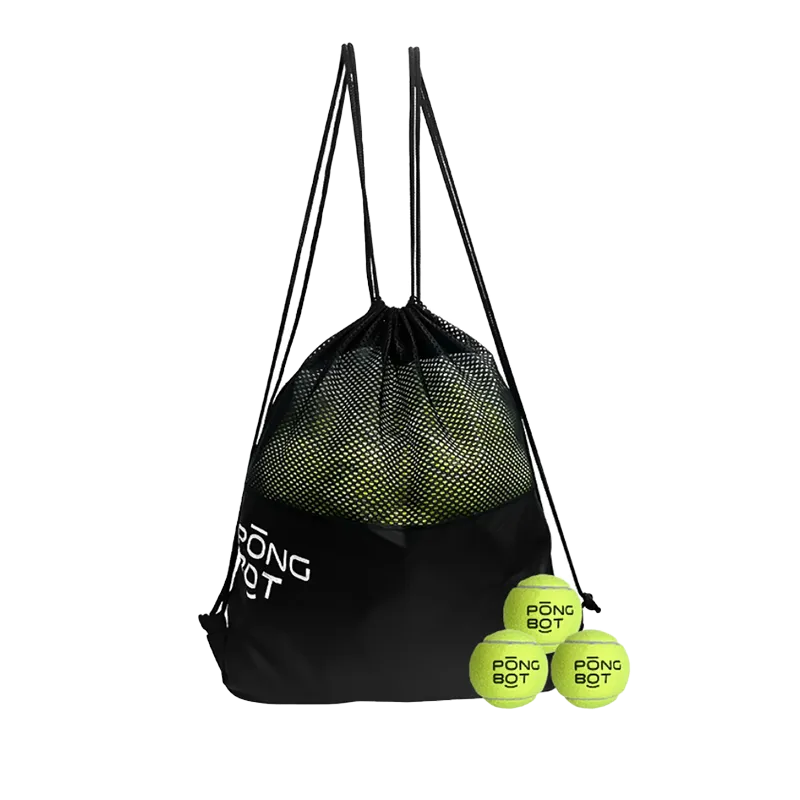
Why Pressureless Tennis Balls Outlast Pressurized Options
Pressureless tennis balls maintain their bounce through solid rubber cores rather than internal air pressure, giving them a lifespan measured in years instead of weeks. While pressurized balls deliver the feel and bounce required for competitive play, they lose pressure within days of opening the can. Understanding how each type degrades helps you choose the right storage, rotation, and maintenance strategies to maximize your investment.
We've tested both types across hundreds of practice sessions with tennis robots and traditional drills. The durability gap is dramatic: a set of pressureless tennis balls can serve 5,000+ hits over 12 to 18 months, while pressurized balls soften noticeably after 10 to 15 hours of court time.
How Pressurized Tennis Balls Lose Their Bounce
Pressurized balls start losing air the moment you crack open the can. The rubber shell is semi-permeable, allowing internal pressure (typically 12 to 14 psi above atmospheric) to escape gradually. Once exposed to air, most pressurized balls deliver peak performance for two to four weeks before becoming noticeably "dead."
To extend their life:
- Reseal after every session: Use a pressurized tube or canister that restores 14 psi. Standard cans cannot be resealed effectively.
- Rotate your stock: Mark cans with the opening date and cycle through oldest first. Keep unopened cans in a cool, dry place away from temperature swings.
- Limit practice time: Reserve pressurized tennis balls for match play and competitive drills. Use pressureless alternatives for high-volume practice with a tennis robot or ball machine.
- Store at moderate temperature: Heat accelerates pressure loss. Avoid garages, car trunks, or direct sunlight.
Even with perfect storage, pressurized balls rarely stay playable beyond six weeks after opening. Check current pricing and grab our discount code to stock up efficiently.
Best Pressureless Tennis Balls for Practice and Longevity
Pressureless tennis balls are built for durability. Brands like Penn, Tretorn, and Diadem manufacture solid-core designs that gradually soften over thousands of hits but never "go flat" like pressurized balls. This makes them ideal for drill work, teaching, and any high-volume practice scenario.
Key longevity factors include:
- Felt quality: Premium felt resists fraying and holds up to abrasive court surfaces. Look for double-napped or Melton felt in reviews from sources like Tennis Companion.
- Core hardness: Harder cores last longer but feel less like regulation balls. Softer cores wear faster but offer better playability for drills that require realistic spin and control.
- Surface compatibility: Hard courts and concrete wear felt faster than clay. Rotate balls between sessions to distribute wear evenly.
We recommend using pressureless tennis balls for any session involving a tennis ball picker upper or tennis ball hopper, since you'll be cycling through dozens or hundreds of balls per practice. Players often ask "are pressureless tennis balls good for practice?" on forums like Tennis Warehouse, and the consensus is clear: yes, especially when paired with automated feeding systems.
Storage and Rotation Strategies for Maximum Lifespan
Proper storage extends the life of both ball types, though the techniques differ.
For pressureless balls:
- Store in a breathable mesh bag or open container. They don't require airtight sealing.
- Keep away from extreme heat, which can harden the rubber core prematurely.
- Rotate your stock every 20 to 30 practice hours. Mark sets with tape or a marker to track usage.
- Clean regularly (see below) to prevent dirt buildup that accelerates felt wear.
For pressurized balls:
- Invest in a pressurized storage tube if you open cans frequently. Cheaper than replacing balls every two weeks.
- Never store in damp environments. Moisture degrades felt and accelerates pressure loss.
- Keep unopened cans at room temperature (60 to 75°F). Refrigeration does not extend life and can introduce condensation.
If you're serious about high-volume practice, dedicate pressureless balls to your tennis robot sessions and save pressurized balls for live play. This hybrid approach balances realism with cost efficiency. Visit our discount page to see the current offer on training gear.
Cleaning and Maintenance to Extend Ball Life
Dirt, clay, and court debris embed in felt and accelerate wear. Regular cleaning adds weeks or months to ball life, especially for pressureless options.
Simple cleaning method:
- Fill a bucket with warm water and add one tablespoon of mild detergent.
- Submerge balls for 10 to 15 minutes, agitating occasionally.
- Rinse thoroughly under cool water to remove all soap residue.
- Air-dry completely on a towel or mesh rack before storing. Never use a dryer, which can crack cores or shrink felt.
Quick wipe-down: For light dirt between deep cleans, use a damp microfiber cloth to wipe each ball. This takes 30 seconds per dozen and prevents grit from grinding into the felt during play.
Felt restoration: Once felt starts pilling or fraying, performance drops sharply. Some players lightly sand pilled areas with fine-grit sandpaper, but this shortens overall life. Instead, retire heavily worn balls to lower-stakes drills or donate them to dog owners.
Tennis Pro Guru notes that cleaning pressureless balls every 10 to 15 hours of play can double their usable lifespan compared to never cleaning them.
When to Replace Each Type
Knowing when a ball is truly done saves money and maintains practice quality.
Replace pressurized balls when:
- The bounce height drops below 75% of a fresh ball (test by dropping from shoulder height).
- Felt shows significant pilling or bald spots.
- Balls feel noticeably softer when squeezed.
Replace pressureless balls when:
- Felt is heavily frayed or missing in patches, affecting flight and spin.
- The core has cracked or deformed (rare but possible after extreme use).
- Bounce becomes erratic or inconsistent across the set.
For high-volume practice with a tennis ball hopper or automated feeder, inspect your pressureless ball stock every 50 hours of play. Retire the most worn 10 to 20 percent and replace them to maintain consistent ball quality across your set.
Choosing the Right Ball Type for Your Practice Routine
Your training setup determines which ball type delivers the best value and performance.
| Ball Type | Best For | Typical Lifespan | Cost per Hour |
|---|---|---|---|
| Pressurized | Match play, competitive drills, spin practice | 10–15 hours | High |
| Pressureless | Ball machines, high-volume drills, teaching | 300–500 hours | Very low |
If you train with a pongbot pace s pro or similar automated system multiple times per week, pressureless balls pay for themselves within a month. A single case of quality pressureless balls can replace 20 to 30 cans of pressurized balls over a season.
For players who practice once or twice weekly and play occasional matches, keep both types on hand. Use pressureless for solo drill work and pressurized for match simulation or partner rallies where realistic ball feel matters most.
We recommend pairing your ball choice with efficient collection tools like a tennis ball picker upper to streamline setup and maximize court time. The faster you collect and reload, the more value you extract from each ball.
Whether you choose pressureless durability or pressurized realism, proper storage and rotation strategies extend ball life significantly. Clean regularly, track usage, and replace strategically to keep your practice sessions consistent and cost-effective.
Frequently asked questions
How long do pressureless tennis balls last compared to pressurized?
Pressureless tennis balls typically last 12 to 18 months or 300 to 500 practice hours, while pressurized balls lose optimal bounce within two to four weeks or 10 to 15 hours of play after opening. Proper storage and cleaning can extend both types.
Can I use pressureless balls with a tennis ball machine?
Yes, pressureless balls are ideal for ball machines and tennis robots because they maintain consistent bounce over thousands of hits without going flat. Most manufacturers specifically recommend pressureless balls for automated feeding systems.
Do pressurized tennis balls need special storage?
Pressurized balls benefit from airtight pressurized tubes that restore internal pressure between sessions. Without resealing, they lose bounce within two to four weeks. Keep unopened cans at room temperature away from heat and humidity.
Are Penn or Tretorn pressureless tennis balls better for practice?
Both brands offer durable pressureless options; Penn balls tend to have slightly harder cores for maximum longevity, while Tretorn models often feature softer cores that feel closer to pressurized balls. Choose based on whether you prioritize lifespan or playability.
How often should I clean my tennis balls?
Clean pressureless balls every 10 to 15 practice hours by soaking in warm soapy water, rinsing, and air-drying completely. This removes embedded dirt that accelerates felt wear and can double the usable lifespan of your balls.
When should I replace tennis balls?
Replace pressurized balls when bounce drops below 75% of a new ball or felt shows heavy pilling, usually after 10 to 15 hours. Replace pressureless balls when felt is heavily frayed or the bounce becomes inconsistent, typically after 300 to 500 hours.