
Tennis Ball Picker Uppers: Which Design Actually Saves Your Back?

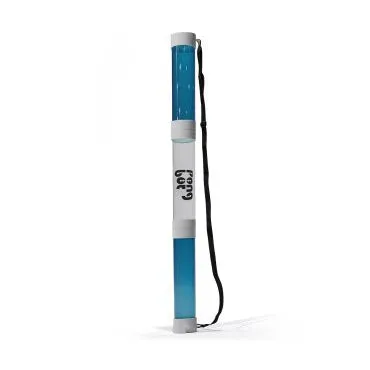
Which Tennis Ball Picker Upper Design Protects Your Back Best?
A tennis ball picker upper eliminates the repetitive bending that strains your lower back after every practice session. We tested tube-style pickers, roll-over hoppers, and basket collectors to see which designs actually let you stay upright while clearing a court. The winner depends on how many balls you collect, your storage needs, and whether you value speed or capacity.
Tube vs Hopper vs Roller: How Each Design Works
The three main designs handle ball pickup in completely different ways, and each has a sweet spot for specific court scenarios.
Tube-style pickers use a spring-loaded wire cage at the base. You press the tube down over a ball, and the wires flex to let it in but prevent it from rolling out. These are lightweight and compact but hold only 15 to 20 balls, so you'll make multiple trips on a full court.
Tennis ball hoppers combine a wire basket with a hinged pickup bar at the bottom. Roll the hopper over scattered balls and the bar sweeps them into the basket, which holds 50 to 80 balls. A tennis ball hopper doubles as a teaching cart since the basket flips to dispense balls during drills.
Roller collectors look like a lawn aerator: a cylindrical cage with flexible prongs that grab balls as you push. They're fast across large areas but awkward to empty and don't offer built-in storage.
| Design | Capacity | Best For | Posture |
|---|---|---|---|
| Tube | 15-20 balls | Quick pickups, singles practice | Fully upright |
| Hopper | 50-80 balls | Full-court cleanup, coaching | Upright with slight push |
| Roller | 40-60 balls | Speed on wide-open courts | Upright push motion |
The Best Tennis Ball Picker Upper for Lower Back Pain
If chronic back pain drives your search, prioritize designs that require zero bending and minimal twisting.
Tube models keep you completely vertical. You walk and press straight down, using your body weight rather than bending at the waist. The downside is frequent emptying, which can mean more walking if your back also struggles with extended standing.
Hopper-style collectors let you roll while standing, but uneven courts or thick balls (like pressureless tennis balls) sometimes require a nudge or second pass. The handle height matters: look for adjustable or tall fixed handles that reach your hip, not your thigh.
We recommend a tennis ball pick up hopper with a capacity above 60 balls if you practice regularly. Fewer trips means less cumulative strain, and the basket doubles as a seat during water breaks. Check the latest price to compare hopper options with our current discount.
What to Look for in a Tennis Ball Collector Machine
Quality differences show up fast when you're clearing 100-plus balls three times a week.
- Wire gauge and spacing: Thin wires bend out of shape; wide spacing drops balls. Look for 4 to 5 mm wire with gaps just under a tennis ball diameter.
- Handle grip and length: Foam or rubber grips prevent blisters. Telescoping handles fit different user heights.
- Basket coating: Powder-coated steel resists rust from morning dew. Bare wire corrodes within a season in humid climates.
- Wheel size (hoppers): Larger wheels (at least 6 inches) roll smoothly over cracks and clay courts without jarring your wrists.
- Locking mechanism: Hoppers need a secure latch so the basket doesn't dump mid-collection.
A durable tennis ball picker upper will outlast several sets of balls if you choose solid construction over the cheapest price.
Does a Tennis Ball Roller Collector Actually Save Time?
Roller models promise speed, and they deliver on smooth hard courts. You can clear a singles court in under two minutes by pushing in straight lines. The catch: emptying requires flipping the cylinder or pulling balls out through the prongs, which reintroduces bending unless you dump onto a raised surface.
When rollers make sense: If you're a coach running high-volume drills with a tennis robot or pongbot pace s pro, speed matters more than ergonomic perfection. You'll pair the roller with a separate ball cart anyway.
When hoppers win: For recreational players and small-group lessons, the hopper's all-in-one design means less gear to haul and no extra bin required. The basket itself becomes your storage and dispensing tool.
Pairing Your Picker with the Right Tennis Balls
Ball type affects pickup efficiency more than most players expect.
Pressurized vs pressureless: Fresh pressurized tennis balls have a slightly larger diameter and firmer feel, so they roll into tube pickers cleanly. Worn pressurized balls lose bounce and sometimes slip past hopper bars. Pressureless tennis balls maintain size and weight longer, making them ideal for practice and ensuring consistent pickup performance across hundreds of sessions.
Quantity planning: If you own 100-plus balls for solo practice or drilling, a 70 to 80 ball hopper prevents mid-session emptying. Smaller tube models work fine for casual players hitting 20 to 30 balls per outing.
Where to Buy and Save on Court Gear
We negotiate exclusive discounts with tennis training brands so you don't pay retail. Right now you can grab the code for 5% off all orders, which stacks nicely when you're buying a picker, a basket of balls, and accessories in one go.
If you're building a full training setup, explore complementary gear like a tennis robot for solo drills or a ping pong machine if you cross-train indoors. Both pair well with hopper-style collectors since you'll be feeding and retrieving high volumes of balls.
Our Take: Which Design We Recommend
For most players dealing with back discomfort, a mid-capacity hopper (60 to 75 balls) with an adjustable handle offers the best balance of posture protection, storage, and versatility. Tube pickers are perfect for quick pickups and travel, but the frequent emptying adds walking that may offset the postural benefit.
Roller collectors shine in coaching and high-volume scenarios where speed trumps convenience, but recreational players will find the hopper's dual role as pickup tool and ball cart more practical day to day.
Whichever design you choose, prioritize handle height and wire quality. A picker that forces you to stoop or breaks after a month defeats the purpose entirely.
Frequently asked questions
What is the best tennis ball picker upper for bad backs?
Tube-style pickers keep you fully upright with zero bending, but mid-capacity hoppers (60+ balls) reduce total trips and let you stay standing while rolling. Choose based on whether you prioritize pure posture or fewer walks across the court.
How many tennis balls does a hopper-style collector hold?
Most tennis ball hoppers hold between 50 and 80 balls. Models at the higher end reduce the number of trips needed to clear a full court and double as teaching carts during drills.
Can I use a tennis ball picker upper on clay courts?
Yes, but look for hoppers with larger wheels (6 inches or more) and wider wire spacing to prevent clay dust from clogging the mechanism. Roller collectors can struggle with loose clay surfaces.
Do pressureless tennis balls work with all picker designs?
Pressureless balls maintain consistent size and weight, so they roll smoothly into tube pickers and hopper bars. Worn pressurized balls can slip past some hopper mechanisms because they shrink slightly over time.
Are roller collectors faster than hopper pickers?
Roller collectors clear a court faster on smooth hard surfaces, often under two minutes for a singles court. However, emptying them requires flipping or manual removal, which can reintroduce bending unless you dump onto a raised surface.
Where can I find a discount on tennis ball hoppers?
We negotiate exclusive codes with tennis gear brands. Check our store coupon page for current offers, including 5% off all orders that applies to pickers, balls, and training equipment.