
How to Clean and Maintain Your Facial Steamer to Prevent Bacteria Buildup

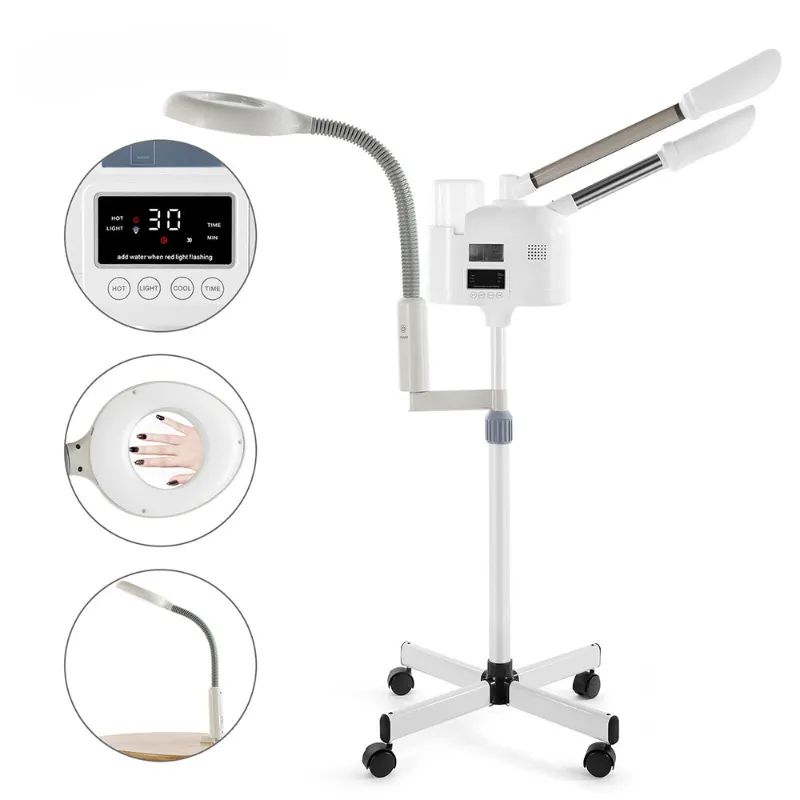
Why Your Facial Steamer Needs Regular Cleaning
Regular cleaning of your facial steamer prevents bacteria buildup, extends its lifespan, and ensures every steam session remains safe and effective for your skin. Water reservoirs create the perfect breeding ground for mold, mineral deposits, and harmful bacteria if left unchecked. We clean our facial steamer after every three to five uses to maintain hygiene and peak performance.
Neglecting maintenance means you're essentially spraying yesterday's contaminants directly onto your freshly cleansed face. Professional estheticians clean their equipment daily for good reason, and the same standards should apply to your home device. Whether you own a face steamer from Surebeauty or another brand, these cleaning protocols will keep your investment working properly for years.
Daily Maintenance After Each Use
Empty the water tank completely after every steam session. Residual water sitting in the reservoir overnight encourages bacterial growth and mineral scaling. Shake out any remaining droplets, then wipe the inside of the tank with a clean, dry microfiber cloth.
Wipe down the exterior and nozzle with a damp cloth to remove any product residue or condensation. Pay special attention to the steam outlet where buildup tends to accumulate. Leave all removable parts disassembled and the lid open so everything air-dries completely before storage.
We also recommend using distilled water instead of tap water for every session. Tap water contains minerals that calcify inside the heating element and clog the steam pathways. Check our discount code to save on your next purchase of steamers and accessories.
Deep Cleaning Your Facial Steamer Weekly
Perform a deep clean once a week if you use your device regularly. Mix equal parts white vinegar and distilled water, then fill the reservoir halfway. Run the steamer for five to ten minutes to allow the vinegar solution to break down mineral deposits and kill bacteria throughout the system.
After the vinegar cycle, empty the tank and rinse it thoroughly three times with fresh distilled water. Run one full cycle with plain distilled water to flush out any remaining vinegar smell. The acidity of vinegar is gentle enough for most facial steamer machines but powerful enough to dissolve lime scale and sanitize internal components.
For stubborn buildup around the nozzle or heating plate, dip a cotton swab in undiluted white vinegar and scrub gently. Never use abrasive cleaners or harsh chemicals that can damage plastic components or leave toxic residues that vaporize during your next session.
Signs Your Facial Steamer Needs Immediate Attention
Watch for reduced steam output, sputtering, or unusual odors. These symptoms indicate mineral blockages or bacterial overgrowth inside the machine. If your professional facial steamer takes longer than usual to heat up or produces inconsistent steam clouds, calcium deposits are likely restricting water flow.
Visible discoloration, pink or black spots in the water tank, or a musty smell all signal mold or bacteria colonies. Stop using the device immediately and perform two back-to-back deep cleans with vinegar solution. If the odor persists after thorough cleaning, the internal components may be compromised and replacement is safer than risking skin irritation.
A well-maintained device should produce steady, odorless steam within three minutes of startup. Many of the best facial steamers on the market include auto-shutoff features that protect the heating element from damage, but regular cleaning remains essential regardless of built-in safety features.
Proper Storage Between Uses
Store your facial steamer in a cool, dry location away from humidity. Bathrooms seem convenient but the constant moisture accelerates mold growth inside the tank. A bedroom closet or vanity drawer works better for long-term storage.
Never seal a damp steamer in an airtight container. Trapped moisture creates ideal conditions for bacterial colonies. Leave the tank lid off or slightly ajar so air circulates freely and any residual dampness evaporates.
Keep all detachable parts separated during storage. Nozzle attachments and funnels should sit loosely in the main unit rather than clicked tightly into place. This simple habit prevents moisture from getting trapped in connection points where rubber seals meet plastic housings.
Extending the Lifespan of Your Device
Quality matters when choosing a facial steamer. The best professional facial steamer models feature removable tanks that make thorough cleaning easier. We test devices from various brands, and Surebeauty consistently ranks high for durability when properly maintained.
Replace any cracked or warped parts immediately. A damaged water tank won't seal properly and may leak during operation. Most manufacturers sell replacement tanks and nozzles separately, which costs far less than buying an entirely new unit.
Descale the heating element every month if you live in an area with hard water. Even when using distilled water for steam sessions, ambient humidity can introduce minerals over time. Grab the latest code before ordering replacement parts or upgrading to a newer model.
Complementing Your Skincare Routine
A clean facial steamer works best as part of a complete regimen. Many users pair their steam sessions with other professional-grade tools like a high frequency wand for acne treatment or a microcurrent facial device for toning. Each device requires its own maintenance protocol, so check manufacturer guidelines.
Steam opens pores and softens skin, creating the perfect canvas for serums and treatments to penetrate deeply. These highly rated devices receive consistent praise for their ability to enhance product absorption when used correctly. Just remember that dirty equipment can undo all the facial steamer benefits you're trying to achieve.
Between steam sessions, maintain overall wellness with complementary self-care tools. A red light therapy mat supports skin repair, while an infrared sauna blanket offers full-body detoxification. Clean equipment delivers better results across your entire routine, so apply these same sanitation principles to every device you own.
Frequently asked questions
How often should I deep clean my facial steamer?
Deep clean your device weekly with a vinegar solution if you use it regularly. For occasional users, a thorough cleaning every two to three weeks prevents buildup while maintaining hygiene standards.
Can I use tap water in my facial steamer?
We strongly recommend distilled water only. Tap water contains minerals that calcify inside the heating element, clog steam pathways, and reduce your device's lifespan.
What causes the musty smell in my steamer?
A musty odor indicates mold or bacteria growing inside the water reservoir. Perform two consecutive vinegar cleaning cycles, rinse thoroughly, and ensure the tank dries completely between uses.
Is white vinegar safe for all facial steamer models?
White vinegar works safely for most devices, but always check your manufacturer's guidelines first. The mild acidity descales mineral deposits without damaging plastic or metal components when properly diluted and rinsed.
How do I know when to replace my facial steamer?
Replace your device if persistent odors remain after thorough cleaning, if cracks appear in the water tank, or if steam output stays weak despite descaling. Most quality steamers last three to five years with proper maintenance.
Can I sanitize my steamer with bleach or rubbing alcohol?
Never use bleach, alcohol, or harsh chemicals. These substances leave toxic residues that vaporize during use and can irritate your skin or respiratory system. Stick with white vinegar and distilled water for safe, effective cleaning.