
Microcurrent Facial Device vs Microdermabrasion Machine: Which Should You Buy First?

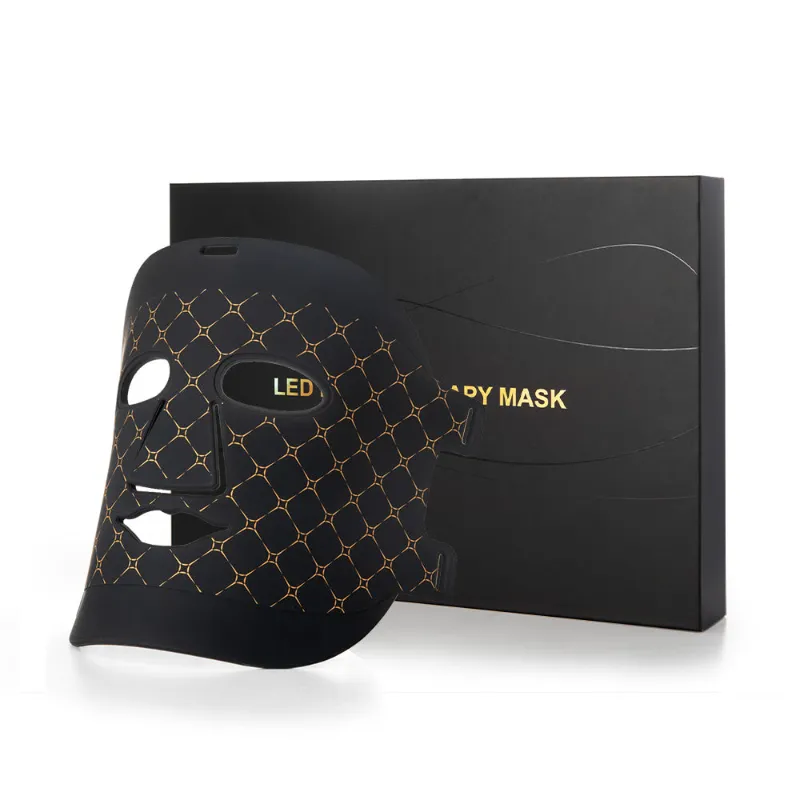
A microcurrent facial device uses low-level electrical currents to stimulate facial muscles and boost collagen, while a microdermabrasion machine physically exfoliates the outermost layer of skin to reveal smoother texture. Both deliver noticeable results at home, but they target completely different concerns, and most people only need one to start.
We tested both technologies across skin types and budgets to help you decide which device deserves a spot in your routine first. If you're building an at-home spa setup alongside tools like a facial steamer or high frequency wand, understanding these two popular treatments will save you time and money.
What a Microcurrent Facial Device Actually Does
Microcurrent technology delivers tiny electrical impulses that mirror your body's natural currents. These pulses contract and re-educate facial muscles, creating a temporary lifting effect that becomes more pronounced with consistent use. Professional aestheticians have used microcurrent for decades, and at-home versions now bring similar results at a fraction of the cost.
The best microcurrent facial device works below the skin's surface rather than on it. You'll see immediate tightening after a session, but the real benefit builds over 60 to 90 days as the treatment encourages ATP production and strengthens muscle tone. We recommend pairing your microcurrent facial device with a conductive gel—never use it on dry skin, as the current needs moisture to travel effectively.
What microcurrent treats best:
- Sagging jawline and jowls
- Drooping eyelids and brow area
- Loss of cheekbone definition
- Dull, tired-looking skin
- Fine lines from muscle laxity
Microcurrent does not exfoliate, shrink pores, or remove dead skin. If texture and congestion are your main concerns, microdermabrasion addresses those directly.
How Microdermabrasion Machines Work at Home
Microdermabrasion physically buffs away the stratum corneum—the outermost layer of dead skin cells—using either diamond-tip abrasion or crystal exfoliation. At-home machines are gentler than professional versions but still effective for smoothing rough patches, fading surface pigmentation, and unclogging pores over time.
Most home devices use suction combined with a diamond or metal tip. You glide the wand across clean, dry skin in upward strokes, and the vacuum pulls away loosened debris while stimulating blood flow. Results are immediate: skin looks brighter and feels softer after one session.
What microdermabrasion treats best:
- Rough, uneven skin texture
- Enlarged pores and blackheads
- Superficial hyperpigmentation and sun damage
- Dull, flaky complexion
- Fine lines caused by surface buildup
Microdermabrasion cannot lift sagging skin or tone muscles. It works exclusively on the surface, so deep wrinkles, volume loss, and structural aging require a different approach—which is where microcurrent shines.
Which Device Fits Your Skin Goals
Choose based on what bothers you most when you look in the mirror. If your skin feels rough or looks dull but your face shape is still firm, microdermabrasion delivers faster visible results. If you notice sagging, loss of contour, or a "tired" look even when your skin texture is smooth, a microcurrent facial device is the better investment.
| Your Main Concern | Best First Device | Why |
|---|---|---|
| Sagging jawline, jowls, drooping brows | Microcurrent | Tones muscles and restores contour from within |
| Rough texture, large pores, dullness | Microdermabrasion | Exfoliates surface layer for immediate smoothness |
| Fine lines with loss of firmness | Microcurrent | Addresses both muscle tone and collagen over time |
| Blackheads, uneven tone, flakiness | Microdermabrasion | Clears congestion and evens skin surface |
We also factor in how each device fits into a broader routine. Microcurrent pairs well with serums and moisturizers—you'll need conductive gel during treatment, then layer your usual products after. Microdermabrasion works best on bare skin and should be followed by hydration and SPF, since you've just removed a protective layer.
Many users eventually add both devices to their lineup. Professional aestheticians often combine the two in facial protocols, using microdermabrasion first to prep the skin and microcurrent second to lift and tone. At home, you can alternate them on different days once you've mastered each individually.
Microcurrent Facial Device Reviews and Real Results
Microcurrent devices have exploded in popularity thanks to before-and-after posts across social media. According to Wirecutter's testing, the best microcurrent facial device models deliver visible lifting when used five days a week for the first month, then two to three times weekly for maintenance.
Reddit threads on microcurrent facial device results show a clear pattern: users who commit to the protocol see cumulative improvement, while those who use the device sporadically report minimal change. The technology requires consistency because you're essentially training muscles, not applying a topical product.
Side effects are rare but worth noting. Microcurrent facial device side effects may include mild tingling (normal), temporary redness in sensitive areas, or headaches if you use too much intensity near the temples. Always start on the lowest setting and avoid active breakouts or open skin. Forbes editors emphasize the importance of proper technique—dragging the device downward or using it without gel reduces effectiveness and can cause discomfort.
Professional-grade microcurrent facial device models offer higher intensity and more sophisticated waveforms, but at-home versions from brands featured in Allure's roundup deliver noticeable tightening for most users. Check the latest pricing on devices that fit your budget, and remember that consistency matters more than price point when it comes to results.
Practical Considerations: Time, Cost, and Maintenance
Microcurrent sessions take 15 to 20 minutes and require conductive gel, which becomes an ongoing cost. The devices themselves range from budget-friendly single-probe models to dual-wand systems with app connectivity. Most units are rechargeable and last years with regular use, but the gel replenishment is non-negotiable—you'll go through a bottle every four to six weeks.
Microdermabrasion treatments are faster, usually under 10 minutes, and require no consumables beyond replacement tips every few months. The tips dull with use, so factor that into long-term cost. Initial device prices overlap with microcurrent, but microdermabrasion is slightly cheaper to maintain.
Time commitment comparison:
- Microcurrent: 5x/week for 8-12 weeks, then 2-3x/week maintenance
- Microdermabrasion: 1x/week ongoing, with a 2-week break every 8-10 sessions
Both devices travel easily and work on all skin tones. Neither causes the downtime or irritation associated with professional peels or laser treatments. If you're already using tools like a cavitation machine for body contouring or a red light therapy mat for overall skin health, adding one facial device rounds out a complete at-home protocol.
Our Recommendation: Start with the Device That Solves Your Biggest Concern
We recommend buying the device that directly addresses your primary frustration. If texture and dullness bother you daily, microdermabrasion delivers instant gratification and builds better skin over weeks. If loss of contour and sagging are what you see first, invest in a microcurrent facial device and commit to the protocol—you'll see lifting within a month and continued improvement as long as you maintain the routine.
Both technologies are proven, safe, and effective at home when used correctly. Neither will replace professional treatments for severe aging or skin damage, but both extend results between appointments and offer real improvement for proactive maintenance. Grab our current code to save on whichever device fits your goals, and give yourself at least 60 days before deciding whether to add the second technology to your routine.
Frequently asked questions
Can I use a microcurrent facial device and microdermabrasion on the same day?
Yes, but do microdermabrasion first to exfoliate, then wait 10 minutes before using microcurrent. This order allows the lifting treatment to work on freshly prepped skin. Never reverse the sequence or use them simultaneously on the same area.
How long before I see results from a microcurrent device?
Most users notice immediate temporary tightening after the first session, but cumulative lifting and muscle tone require 60 to 90 days of consistent use—typically five times per week for the first month, then two to three times weekly.
Is microdermabrasion safe for sensitive or acne-prone skin?
Microdermabrasion can help with clogged pores and texture, but avoid active breakouts, open wounds, or inflamed acne. Start with the lowest suction setting and limit sessions to once every 10 days if your skin is sensitive.
Do I need special products for microcurrent treatments?
Yes, you must use a conductive gel or serum during microcurrent sessions—the device will not work effectively on dry skin. Water-based gels without silicones conduct the current best.
Which device is better for anti-aging if I'm over 40?
Microcurrent addresses structural aging like sagging and loss of definition, which are more common over 40. Microdermabrasion helps with texture and tone but won't lift or tighten. If you have both concerns, start with microcurrent.
Can I use microcurrent if I have Botox or fillers?
Most practitioners say microcurrent is safe with fillers and may even extend Botox results by toning surrounding muscles. However, always consult your injector first, and avoid treating areas with recent injections for at least two weeks.