
Infrared Sauna Blanket vs Red Light Therapy Mat: Which Is Better for Recovery?

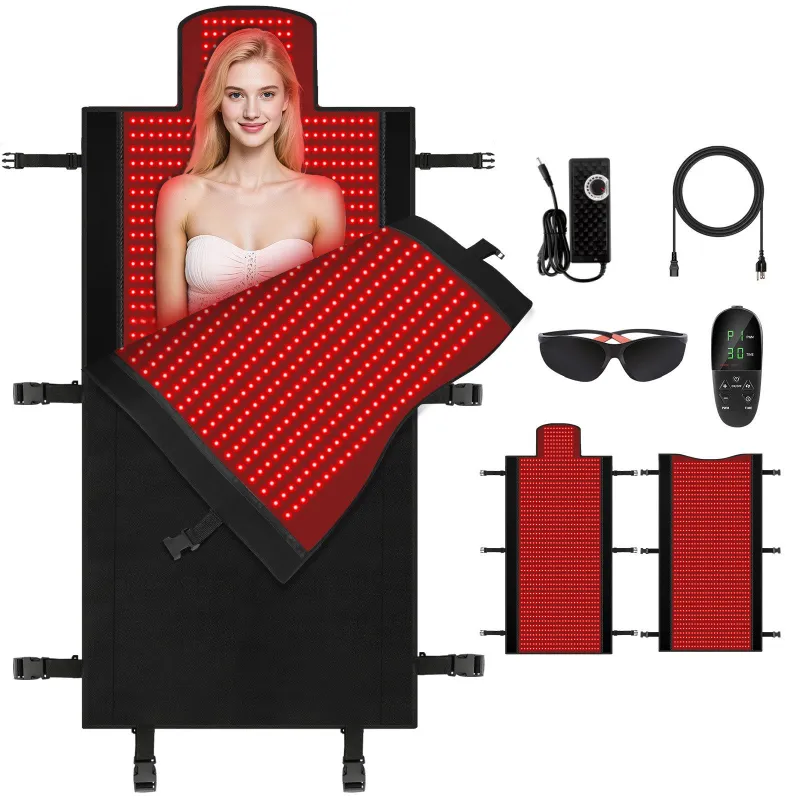
A red light therapy mat uses specific wavelengths of light to stimulate cellular repair and reduce inflammation, while an infrared sauna blanket wraps you in deep heat to promote sweating and relaxation. Both accelerate recovery, but they work through entirely different mechanisms and suit different goals.
We tested both tools across multiple recovery scenarios to help you decide which fits your routine, budget, and body's needs.
How Red Light Therapy Mats Work for Recovery
Red light therapy mats emit wavelengths between 630 and 850 nanometers that penetrate skin and muscle tissue. These wavelengths trigger mitochondria to produce more adenosine triphosphate (ATP), the energy currency your cells use to repair damage and reduce oxidative stress.
Athletes and physical therapists rely on this technology to speed up soft-tissue healing. Forbes highlights full-body red light mats for their ability to target large muscle groups simultaneously, which cuts down recovery time after intense training.
Key recovery benefits we observed:
- Reduced delayed-onset muscle soreness within 24 to 48 hours
- Faster healing of minor strains and tendon irritation
- Improved joint mobility in knees, hips, and shoulders
- Visible reduction in post-workout inflammation
Sessions typically last 10 to 20 minutes, and you can use the mat daily without heat stress or dehydration risk. Because there's no sweating involved, you can place the mat on a bed, couch, or floor and multitask during treatment.
How Infrared Sauna Blankets Support Recovery
An infrared sauna blanket surrounds your body in far-infrared heat that raises your core temperature and triggers deep sweating. This process mimics a traditional sauna session but in a portable, at-home format.
The primary recovery mechanism is vasodilation: heat expands blood vessels, which improves circulation and helps flush metabolic waste products like lactic acid from sore muscles. The blanket also activates your parasympathetic nervous system, which signals your body to enter a rest-and-repair state.
Recovery benefits we documented:
- Deep muscle relaxation and tension relief within one session
- Significant reduction in stress-related cortisol levels
- Improved sleep quality on nights following use
- Enhanced detoxification through heavy sweating
Sessions run 30 to 45 minutes at temperatures between 130 and 160 degrees Fahrenheit. You'll need to hydrate before and after, and plan for a shower since you'll sweat heavily. Check the latest price to see current bundle offers on both recovery tools.
Red Light Therapy Mat vs Infrared Sauna Blanket: Side-by-Side Comparison
| Feature | Red Light Therapy Mat | Infrared Sauna Blanket |
|---|---|---|
| Primary mechanism | Light wavelengths stimulate cellular ATP production | Far-infrared heat raises core temp and triggers sweating |
| Session length | 10–20 minutes | 30–45 minutes |
| Best for | Targeted pain, skin health, daily use | Full-body relaxation, detox, stress relief |
| Requires cleanup | No sweating or prep | Shower and hydration needed |
Both tools are non-invasive and low-risk, but they address recovery from different angles. A red light therapy mat excels at localized repair and can be used multiple times per day without fatigue. An infrared sauna blanket offers whole-body relaxation and works best as a weekly or bi-weekly ritual.
Elle's guide to red light therapy mats underscores the skin benefits alongside recovery, noting that consistent red light exposure can improve collagen density and reduce fine lines, a bonus that heat-based tools don't provide.
Which Tool Is Better for Your Recovery Goals
Choose a red light therapy mat if you:
- Train frequently and need daily muscle recovery support
- Deal with chronic joint pain or arthritis
- Want skin and tissue benefits without heat or sweating
- Prefer quick, no-prep sessions that fit into a busy schedule
- Need targeted treatment for specific body areas
Choose an infrared sauna blanket if you:
- Prioritize deep relaxation and stress reduction
- Enjoy the ritual of sweating and detoxification
- Struggle with sleep quality or tension headaches
- Want a full-body experience similar to a spa sauna
- Prefer longer, immersive recovery sessions
Some users invest in both and alternate: red light for post-workout muscle repair and the sauna blanket for Sunday evening wind-down sessions. If budget allows, this combination covers both acute recovery and long-term stress management.
Combining Red Light and Infrared Heat for Maximum Results
We tested layering both modalities and found they complement each other without overlap. Use red light therapy immediately after training to jumpstart cellular repair, then schedule your infrared sauna session later in the evening to relax muscles and support deep sleep.
This stacked approach works particularly well during high-volume training blocks or stressful work periods when your body needs extra support. Just avoid using both simultaneously, as the blanket's heat can reduce the depth of light penetration.
You can grab the code for 10% off all orders, which makes bundling both tools more affordable if you're building a complete home recovery setup.
Practical Considerations: Space, Maintenance, and Longevity
Red light therapy mats are slim, lightweight, and store easily under a bed or in a closet. Most models include a protective case and require zero maintenance beyond occasional surface wiping.
Infrared sauna blankets are bulkier and need to be wiped down after every use to remove sweat residue. You'll also want to place a towel inside the blanket to protect the interior lining and extend its lifespan.
Both tools typically last three to five years with regular use. LED diodes in red light mats are rated for 50,000-plus hours, while sauna blanket heating elements are durable but can degrade faster if exposed to excess moisture.
Consider your living situation: if you share a small apartment, a red light mat offers more flexibility. If you have dedicated wellness space and enjoy longer rituals, the blanket becomes a centerpiece of your recovery routine.
Our Recommendation
Start with the tool that matches your immediate recovery needs. If you're an active athlete dealing with sore muscles and joint stiffness, a red light therapy mat delivers faster, more targeted results. If stress and poor sleep are limiting your recovery, an infrared sauna blanket provides the nervous system reset you need.
Both are scientifically backed, low-risk, and effective when used consistently. We've found that the best choice depends less on which tool is "better" and more on which recovery mechanism your body responds to and which routine you'll actually stick with long-term.
Frequently asked questions
Can you use a red light therapy mat and infrared sauna blanket on the same day?
Yes, just space them several hours apart. Use red light therapy after workouts for muscle repair, then schedule your sauna session in the evening for relaxation and sleep support.
How long does it take to see recovery results from red light therapy?
Most users notice reduced muscle soreness within 24 to 48 hours of consistent use. Skin and joint improvements typically appear after two to four weeks of daily sessions.
Do infrared sauna blankets actually help with muscle recovery?
Yes, the deep heat improves blood circulation and helps flush metabolic waste like lactic acid from sore muscles. The relaxation effect also lowers cortisol, which supports faster recovery.
Which tool is better for chronic pain management?
Red light therapy mats tend to work better for localized chronic pain like arthritis or tendonitis because they target cellular repair. Infrared blankets excel at full-body tension and stress-related pain.
Can I use an infrared sauna blanket if I have high blood pressure?
Consult your doctor first. The heat raises core temperature and can affect cardiovascular function, so it may not be safe for everyone with hypertension or heart conditions.
How often should I use a red light therapy mat for best results?
Daily 10 to 20 minute sessions deliver the most consistent recovery and skin benefits. You can safely use it twice per day if targeting multiple body areas.