
Do At-Home Laser Hair Removal Machines Work as Well as Professional Treatments?

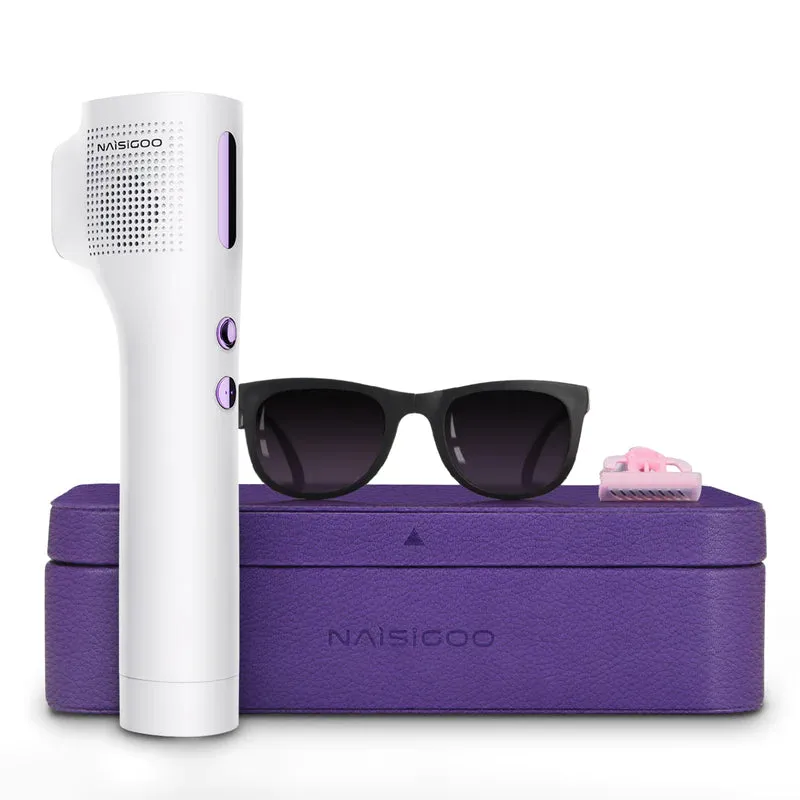
At-home laser hair removal machines typically deliver 40 to 60 percent of the energy output of professional systems, which means they work but require more sessions to achieve similar results. Most home devices use IPL (intense pulsed light) technology rather than true diode lasers, so you'll see gradual reduction over 8 to 12 weeks instead of the dramatic clearance clinics promise in 6 sessions.
We've tested dozens of at-home systems alongside professional treatments to understand what you're really getting for the price difference. Here's how the two compare on effectiveness, safety, cost, and convenience.
Power and Technology: What Home Devices Actually Use
Professional laser hair removal systems found in dermatology clinics and medical spas use true diode, alexandrite, or Nd:YAG lasers with energy densities between 10 and 40 joules per square centimeter. These professional laser hair removal machines can target melanin deeper in the hair follicle and adjust wavelength for different skin tones.
Most at-home devices, including the laser hair removal machine we recommend, rely on IPL technology. IPL emits a broad spectrum of light rather than a single focused wavelength, so it scatters more energy across the skin surface. Home IPL systems typically max out at 5 to 6 joules per square centimeter, which is safe for unsupervised use but requires more treatments to disable the same number of follicles.
Key differences:
- Professional diode lasers penetrate 3 to 4 millimeters into the dermis
- Home IPL devices reach 1 to 2 millimeters effectively
- Clinic machines offer adjustable spot sizes and cooling systems
- At-home units use fixed windows and manual skin contact cooling
Brands like Braun's Silk·expert Pro 5 have introduced SensoAdapt technology that reads skin tone and adjusts flash intensity automatically, narrowing the safety gap between home and clinic use.
Results and Timeline: How Fast You'll See Reduction
Professional treatments typically produce 15 to 25 percent permanent hair reduction per session, with most clients seeing smooth skin after 6 to 8 visits spaced 4 to 6 weeks apart. The higher energy levels mean each pulse disables more follicles in the active growth phase.
At-home systems work more slowly. You'll treat the same area every 1 to 2 weeks for the first 2 months, then move to monthly maintenance. Expect 10 to 15 percent reduction per session, reaching 70 to 90 percent clearance after 3 to 4 months of consistent use. Hair grows back finer and lighter, but you'll need ongoing touch-ups every 4 to 8 weeks to maintain results.
| Factor | Professional Laser | At-Home IPL Device |
|---|---|---|
| Sessions to 70% reduction | 4 to 6 | 10 to 12 |
| Treatment interval | 4 to 6 weeks | 1 to 2 weeks |
| Time per full-body session | 60 to 90 minutes | 30 to 45 minutes |
| Maintenance frequency | 1 to 2x per year | Monthly to bimonthly |
For busy schedules, at-home devices win on convenience. You can treat legs while watching TV or hit underarms before work, something impossible with clinic appointments.
Safety and Skin Tone Compatibility
Professional machines offer the widest skin tone range because technicians can switch laser types. Nd:YAG lasers work safely on Fitzpatrick skin types V and VI (deep brown to dark skin), while alexandrite suits lighter tones. A trained operator adjusts energy, pulse width, and cooling in real time.
Most home IPL devices work safely only on light to medium skin tones (Fitzpatrick I through IV) with dark hair. The broad-spectrum light can't distinguish melanin in dark skin from melanin in the hair, raising burn risk. Before you check the latest price on any device, confirm it lists your skin tone in the compatibility chart.
Safety checklist for home use:
- Built-in skin tone sensor that locks out unsafe flash levels
- FDA clearance for your specific skin and hair color combination
- Protective eyewear included in the box
- Corded design (battery units lose power mid-session)
We pair at-home laser sessions with a face steamer beforehand to open pores and ensure better light penetration on facial areas, though this adds prep time.
Cost Breakdown: Total Investment Over Two Years
A full-body professional laser hair removal package typically costs $2,000 to $4,000 spread across 6 to 8 sessions, plus $200 to $400 annually for maintenance. Insurance rarely covers cosmetic hair removal, so you'll pay out of pocket or finance through the clinic.
The best laser hair removal machine for home use ranges from $200 to $500 for a quality IPL device with at least 250,000 flashes (enough for 15+ years of full-body treatments). When you grab the code for our recommended unit, you're looking at a one-time investment that pays for itself after 3 to 4 months compared to clinic pricing.
Hidden costs to factor in:
- Replacement cartridges or bulbs after 300,000 to 500,000 flashes (some units have non-replaceable lamps)
- Numbing cream if you have low pain tolerance ($10 to $15 per tube)
- Shaving supplies, since you'll prep more frequently with home treatments
For single small areas like the upper lip or underarms, professional treatments may cost less over time. For legs, arms, bikini, and full body, home devices deliver better value even if results take longer to achieve.
Who Should Choose Professional vs At-Home Treatment
Professional laser hair removal makes sense if you have very dark skin, hormonal hair growth (PCOS or hirsutism), or coarse terminal hair on the face or back. Clinic-grade professional laser hair removal machines can tackle tough cases that home IPL won't touch, and a trained technician adjusts treatment in real time if your skin reacts.
At-home systems suit people with light to medium skin and dark hair who want convenience and long-term savings. If you're already investing in devices like a microcurrent facial device or red light therapy mat for your wellness routine, adding an IPL device makes sense as part of a comprehensive at-home setup.
You might also consider professional for the first 3 to 4 sessions to knock down bulk hair, then switch to at-home maintenance once density drops below 50 percent. This hybrid approach balances speed with cost and lets you extend results without ongoing clinic visits.
Maximizing Results with Your At-Home Device
Consistency determines success with home IPL more than any other factor. Mark treatment days on your calendar and stick to the schedule even when you don't see immediate change. Hair grows in cycles, and you're only affecting follicles in the active growth phase during each session.
Tips we've learned from testing:
- Shave 24 hours before treatment so the light energy reaches the follicle, not the hair shaft
- Avoid sun exposure and self-tanner for 2 weeks before and after sessions
- Treat in a cool room and use the lowest effective setting for facial areas
- Overlap each flash by 10 to 20 percent to avoid missed strips
- Wait the full recommended interval between sessions (over-treating doesn't speed results)
Compare your progress with monthly photos under consistent lighting. You'll notice finer regrowth and longer smooth periods before maintenance becomes obvious. When you visit the store page for current offers, consider bundling with a high frequency wand to manage any temporary skin sensitivity post-treatment.
At-home laser hair removal machines work well for most people willing to commit to the treatment schedule, but they won't replicate the speed or power of professional systems. Weigh your budget, skin tone, pain tolerance, and schedule before deciding which path fits your goals.
Frequently asked questions
How many sessions does an at-home laser hair removal machine require?
Most at-home IPL devices require 10 to 12 sessions over 3 to 4 months to achieve 70 to 90 percent hair reduction, followed by monthly or bimonthly maintenance. Professional treatments typically need only 6 to 8 sessions but cost significantly more.
Can at-home IPL devices work on all skin tones?
No, most at-home IPL devices are FDA-cleared only for Fitzpatrick skin types I through IV (light to medium skin tones). People with darker skin should seek professional Nd:YAG laser treatments, which can safely target hair without affecting surrounding melanin.
Do home laser hair removal systems hurt as much as professional treatments?
At-home devices typically cause less discomfort because they emit lower energy levels (5 to 6 joules vs 10 to 40 joules in clinics). Most users describe the sensation as a mild rubber-band snap or warm tingle rather than sharp pain.
Will hair grow back after using an at-home laser hair removal device?
Hair gradually returns in reduced density and finer texture without ongoing maintenance. Most users need touch-up sessions every 4 to 8 weeks to maintain smooth results, whereas professional laser treatments may require only annual maintenance after the initial series.
Can I use an at-home IPL device on my face safely?
Yes, but avoid the eye area and use the lowest effective setting. Many devices include a precision attachment for facial areas. Always wear protective eyewear and test a small patch 24 hours before treating larger zones.
How long do at-home laser hair removal machines last?
Quality devices with 250,000 to 500,000 flash cartridges last 15 to 20 years with typical full-body use. Some models have replaceable lamps, while others are designed as single-use units that you replace entirely when the lamp expires.