
Farmhouse Wall Art Decor: Real Wood Frames vs Printed Wood Look

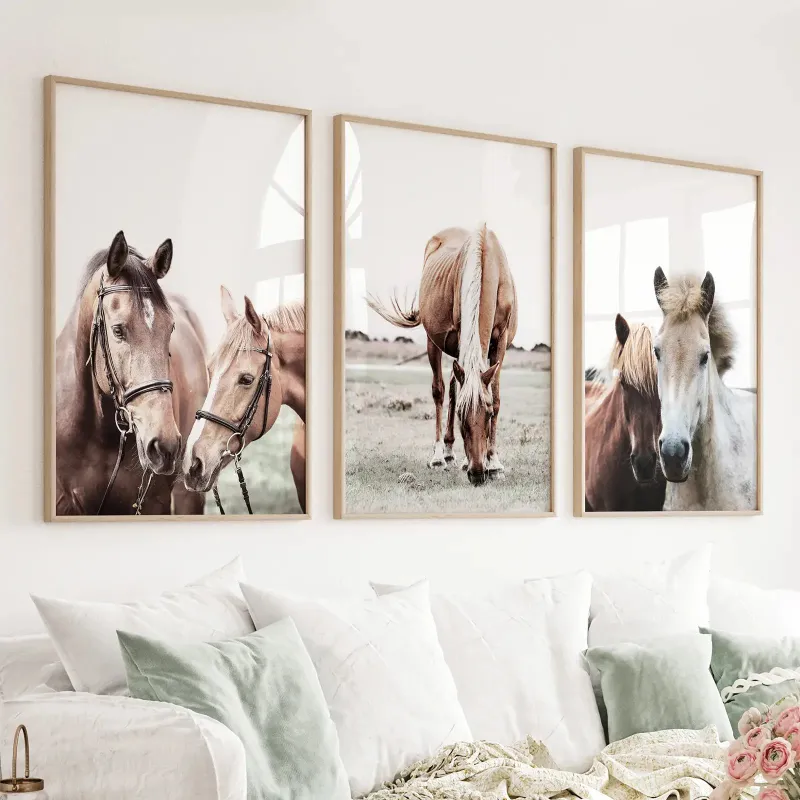
Real Wood Frames Deliver Authentic Farmhouse Wall Art Decor
Farmhouse wall art decor delivers the most authentic country charm when you choose real wood frames over printed wood-look alternatives. Real wood brings visible grain texture, subtle color variation, and a heft that photographs cannot replicate, while printed finishes offer budget-friendly uniformity and lighter weight for renters or temporary displays. We tested both frame types across popular farmhouse styles to show you exactly what you gain and lose with each option.
The choice between real and printed frames affects not just appearance but also durability, installation ease, and long-term value. Whether you're hanging three piece wall art above a sofa or creating a gallery wall with print and frame photos, understanding frame construction helps you match the right product to your space and budget.
How Real Wood Frames Stand Apart from Printed Alternatives
Real wood frames feature solid lumber or engineered wood composites with visible grain that changes under different lighting. When you run your finger across the surface, you feel texture and slight irregularities that signal authentic material. These frames typically weigh 30 to 50 percent more than printed alternatives, which adds stability but requires stronger hanging hardware.
Printed wood-look frames use composite materials wrapped in a vinyl or paper veneer printed with a wood-grain pattern. The pattern repeats every few inches, and the surface feels uniformly smooth. These frames cost 20 to 40 percent less than real wood equivalents and resist warping in humid climates better than some softwoods. For coastal wall art or beach wall art in bathrooms or seaside homes, printed finishes sometimes outlast real pine or poplar.
The visual difference becomes obvious when you place frames side by side. Real wood catches light differently across its surface, while printed veneers reflect light uniformly. If you plan to mix your new frames with existing wall art, match the construction type to avoid a mismatched look.
Comparing Cost, Durability, and Style Across Frame Types
| Feature | Real Wood Frames | Printed Wood-Look Frames |
|---|---|---|
| Price range | Moderate to high | Budget to moderate |
| Weight | Heavier, needs anchors | Lighter, easier hanging |
| Grain authenticity | Unique, three-dimensional | Repeating, flat pattern |
| Moisture resistance | Varies by wood species | Generally more stable |
| Long-term value | Higher resale appeal | Disposable for trend changes |
Real wood frames justify their higher cost when you plan to keep your wall art & decor for years or when resale value matters. A triplicate art pink roses green black frame off white mat in solid oak or walnut adds heirloom quality, while the same triptych in a printed frame suits renters who redecorate frequently. We recommend real wood for main living areas and primary bedrooms where guests and family spend the most time.
Printed frames make practical sense for halloween wall decor and other holiday & seasonal decor that rotates throughout the year. They also work well for children's rooms, home offices, and spaces where you experiment with color and style. Check the latest price to compare both frame types within your budget.
Choosing Frame Styles That Complement Farmhouse Aesthetics
Farmhouse design thrives on natural materials, neutral palettes, and a lived-in feel. Real wood frames in weathered white, natural oak, or distressed gray amplify this aesthetic better than glossy printed finishes. Look for frames with visible knots, slight color variation, and matte or satin topcoats that avoid the plastic sheen common in budget veneers.
The Spruce's farmhouse wall decor ideas emphasize mixing textures and incorporating salvaged or vintage-look pieces. If you choose printed frames, select finishes that mimic reclaimed barn wood or sun-bleached driftwood rather than uniform stains. Pair your frames with complementary accents like wreaths & garlands, mirrors, or artificial & dried flowers & greenery to build a cohesive gallery wall.
For multi-panel displays such as 3 piece wall art, consistent frame construction across all three panels matters more than the wood-versus-printed decision. Mixing frame types within a single set creates visual discord. When you grab the code for your order, verify that all pieces in a set use identical materials.
Installation Tips for Different Frame Weights and Wall Types
Real wood frames demand sturdy hanging systems. A solid wood frame measuring 24 by 36 inches typically weighs 4 to 7 pounds, requiring wall anchors rated for at least 10 pounds to account for leverage. Use two D-rings or sawtooth hangers spaced 8 to 12 inches apart to distribute weight evenly. Drywall anchors work for most applications, but plaster walls or concrete require masonry screws.
Printed frames under 3 pounds can hang from single nails or adhesive strips rated for the appropriate weight. This makes them ideal for rental spaces with strict no-holes policies or for frequently rearranged gallery walls. When hanging nautical artwork for wall or other thematic collections, lighter frames let you test layouts with painter's tape before committing to final placement.
Level your frames using a 24-inch spirit level and measure from the ceiling down rather than the floor up, since floors often slope. For abstract art prints in matching frames, maintain 2 to 4 inches of space between frames to let each piece breathe visually. Great Big Canvas offers farmhouse decor inspiration that demonstrates effective spacing and arrangement.
Caring for Wood Frames to Preserve Their Farmhouse Character
Real wood frames need dusting every two weeks with a microfiber cloth to prevent buildup in grain crevices. Avoid glass cleaners or water-based sprays, which can penetrate seams and cause swelling. Once or twice yearly, apply a thin coat of paste wax or furniture polish to nourish the wood and maintain its sheen. Distressed finishes hide scratches better than smooth stains, making them practical for high-traffic hallways.
Printed frames require only occasional dusting and wipe-downs with a damp cloth. The sealed veneer resists moisture and fingerprints, though sharp impacts can chip or peel the printed layer to reveal the composite core underneath. Keep these frames away from direct radiator heat, which can cause the veneer adhesive to fail.
Both frame types benefit from UV-protective glass or acrylic glazing to prevent artwork fading. If you display artwork in wall opposite south-facing windows, upgrade to museum-grade acrylic or apply UV window film. Rotate your seasonal pieces annually to distribute sun exposure and prevent uneven fading across your collection.
When to Invest in Real Wood and When Printed Frames Suffice
Choose real wood frames when permanence, authenticity, and resale value drive your decision. Homeowners decorating a forever home, designers staging high-end properties, and collectors building farmhouse landscape wall art galleries all benefit from the investment. Real wood ages gracefully, developing patina that enhances rather than diminishes its appeal.
Opt for printed frames when flexibility, budget constraints, or rental restrictions matter most. These frames let you refresh your space seasonally without guilt, experiment with bold colors and oversized prints, and relocate without worrying about shipping damage to expensive materials. Renters, college students, and anyone decorating temporary housing get maximum impact per dollar spent.
Most homes benefit from a strategic mix. Use real wood for anchor pieces in primary rooms and printed frames for accent walls, rotating seasonal displays, and experimental arrangements. This approach balances authenticity with practicality while keeping costs manageable across your entire home.
Frequently asked questions
Can you tell the difference between real wood and printed wood frames from a distance?
From 6 feet or more, high-quality printed frames can look convincing, but real wood reveals its authenticity in how it reflects light and shows unique grain patterns. Up close, the texture and weight differences become immediately obvious.
Do printed wood-look frames work for farmhouse wall art decor?
Printed frames work well for farmhouse styles when you choose matte finishes that mimic reclaimed or distressed wood. Avoid glossy or overly uniform patterns that read as plastic rather than rustic.
Will real wood frames warp in humid bathrooms or kitchens?
Softwoods like pine can warp in high humidity, while hardwoods and sealed frames resist moisture better. For bathrooms, printed frames or marine-grade sealed wood often perform more reliably long-term.
How much more do real wood frames cost than printed alternatives?
Real wood frames typically cost 20 to 40 percent more than printed wood-look frames in the same size. The premium increases for hardwoods like oak or walnut compared to pine or poplar.
Can I mix real wood and printed frames on the same gallery wall?
Mixing frame types on one wall creates visual inconsistency because they reflect light differently. Stick to one construction type per wall, then vary sizes, orientations, or mat colors for interest.
What hanging hardware works best for heavy real wood frames?
Use wall anchors rated for at least double the frame's weight, along with two D-rings or heavy-duty sawtooth hangers spaced 8 to 12 inches apart. This distributes weight and prevents tilting over time.