
Do Framed Triptychs Need to Match Exactly or Can You Mix Styles?

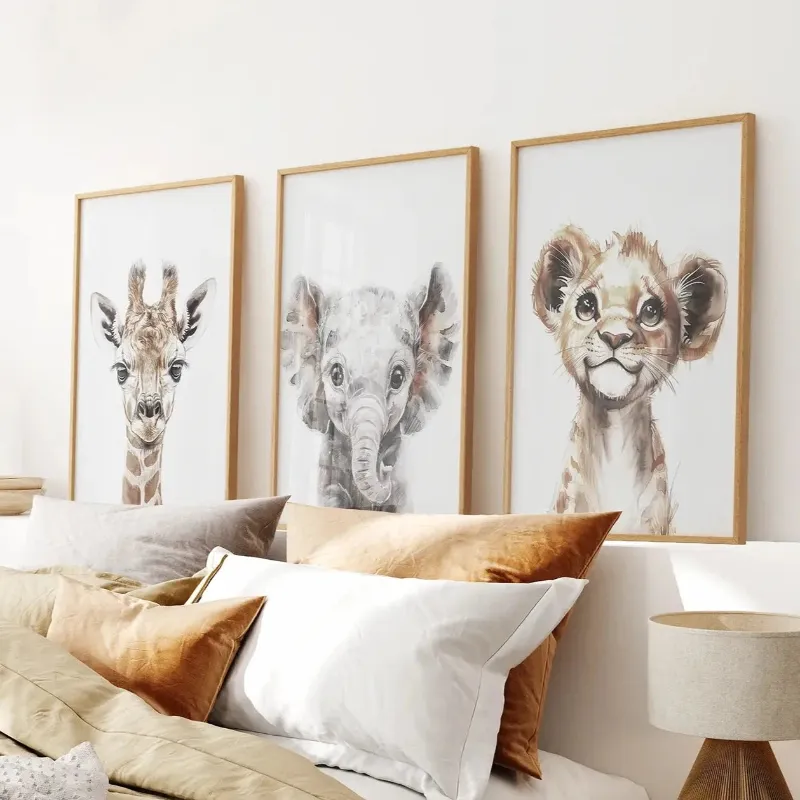
Do Framed Triptychs Need to Match or Can You Mix?
No, do framed triptychs need to match exactly is not a rule. Matching frames and mats create a cohesive, gallery-style look that works best for traditional spaces, while mixing frame finishes or widths can add personality and modern flair as long as you maintain visual connection through color, subject, or scale. We tested dozens of three piece wall art configurations to identify what actually holds a triptych together.
When Matching Frames Makes Sense
Identical frames deliver instant visual harmony and let the artwork itself take center stage. We recommend this approach when you're working with a pre-designed set like triplicate art pink roses green black frame off white mat, where the artist intended a unified presentation.
Matching works especially well for:
- Photography series showing a panoramic scene or sequential narrative
- Abstract art prints with gradients or coordinated color palettes
- Formal dining rooms, offices, or spaces with symmetrical furniture layouts
- Budget installations where buying three identical frames costs less than custom options
If you're ordering a ready-made set, check the latest price to see whether matching frames are already included. Most retailers bundle frames to simplify the decision.
How to Mix Frames Without Losing Cohesion
Mixing frame styles requires at least one unifying element. Our testing found that successful mixed triptychs share either matching mat color, identical frame width, or a common finish family (all metallics, all woods, all black).
Here's what works:
- Same width, different finish: Three 2-inch frames in black, white, and natural oak create variety without chaos
- Same color, different texture: Matte black, glossy black, and brushed black frames feel intentional rather than mismatched
- Matching mats, varied frames: White mats in frames of different widths unify the artwork visually
We've seen coastal wall art and nautical artwork for wall look stunning with weathered wood frames in slightly different stains, because the beach theme carries through all three pieces.
Coordinating Artwork Across Three Panels
The images or prints matter more than the frames. Even mismatched frames hold together if the artwork shares a clear thread.
Strong connectors include:
- Color story: All three pieces pull from the same 3 to 4 hue family
- Subject consistency: Three different beach wall art scenes unified by sand, surf, and horizon lines
- Style alignment: All realism, all line drawings, or all watercolor techniques
- Scale relationship: Similar object sizes and composition density across panels
If you're assembling your own triptych from separate prints, choose artwork in wall pieces that were shot or painted in the same session or series. Lighting and perspective shifts between unrelated images break the flow, no matter how well the frames match.
Frame and Mat Comparison for Triptychs
| Element | Matching Approach | Mixed Approach |
|---|---|---|
| Frame finish | Identical color and material | Complementary finishes in same tone family |
| Frame width | Same measurement on all three | Varied widths with consistent mat size |
| Mat color | Uniform across panels | Coordinated neutrals or one accent mat |
| Visual effect | Formal, gallery cohesion | Eclectic, personalized energy |
When you're working with a pre-coordinated option like 3 piece wall art, the designer has already balanced these elements. Custom assemblies require more intention.
Spacing and Hanging Guidelines
Proper spacing rescues mismatched frames and elevates matched ones. We position triptych panels 2 to 4 inches apart for a connected feel, wider gaps (6 to 8 inches) for individual statement pieces that happen to share a wall.
Installation tips we follow:
- Hang all three at the same center height, typically 57 to 60 inches from the floor
- Use a level and measure twice to keep the bottom or top edges aligned
- For mixed frame widths, align the artwork itself rather than the frame edges
- Test the layout on the floor before hammering nails
Wall art sets often include a paper template to simplify spacing. If you're mixing your own pieces, cut paper mockups to scale and tape them to the wall for a week before committing.
Who Should Match vs. Mix
Your space and style dictate the answer. Traditional, minimalist, and professional environments benefit from matched frames that recede into the background. Eclectic, bohemian, or maximalist rooms thrive on intentional mismatching that adds texture and conversation.
Match your frames if you:
- Prefer clean, understated elegance
- Want the artwork to dominate without frame distraction
- Are decorating a formal space like a law office or upscale dining room
- Already own matching furniture and built-ins
Mix your frames if you:
- Enjoy collected, curated looks with personality
- Are working with existing frames you want to repurpose
- Want to highlight each panel as an individual piece within a group
- Are decorating a creative studio, casual family room, or bedroom
For themed pieces like halloween wall decor, matching frames often let the bold imagery shine, while print and frame photos from different life events can benefit from varied frames that acknowledge their distinct moments.
Where to Find Coordinated Sets and Discount Codes
Pre-matched triptychs eliminate guesswork. We test sets from multiple retailers, and most include frames or detailed frame recommendations. If you're buying separate panels and frames, order samples or request return flexibility.
Grab the code for 10% off all orders, which applies to both ready-made sets and individual pieces you're combining into a custom triptych. We update that page with current offers, so you're never paying full price for your wall art project.
The short answer: do framed triptychs need to match? Only if you want a formal, gallery aesthetic. Mixing works beautifully when you maintain one unifying element and treat the artwork itself as the primary connection point.
Frequently asked questions
Do framed triptychs need to match in frame color?
No, frame colors can vary as long as you maintain another unifying element like matching mat color, identical frame width, or a shared finish family such as all metallics or all wood tones. The artwork connection matters more than identical frames.
Can I use different frame widths for three piece wall art?
Yes, you can mix frame widths if the mats are the same size and color or if the artwork shares a strong visual theme. Align the artwork itself rather than the outer frame edges when hanging.
What unifies a triptych if the frames don't match?
Color palette, subject matter, artistic style, or scale consistency across all three panels hold a triptych together. Even mismatched frames work when the artwork shares a clear visual or thematic thread.
Should I match frames for coastal or beach wall art triptychs?
Matching frames create a clean gallery look, but coastal and beach themes also work beautifully with weathered wood frames in slightly different stains. The ocean imagery provides enough unity to support varied frame finishes.
How far apart should I hang three piece wall art panels?
Space panels 2 to 4 inches apart for a cohesive triptych feel, or 6 to 8 inches for individual statement pieces. Align all three at the same center height, typically 57 to 60 inches from the floor.
Are pre-matched triptych sets worth buying over custom combinations?
Pre-matched sets eliminate guesswork and often cost less than sourcing three separate frames and prints. They're ideal for traditional spaces, while custom combinations offer more personalization for eclectic or collected looks.