
Why Your Flex Pipe Exhaust Keeps Cracking and How to Fix It

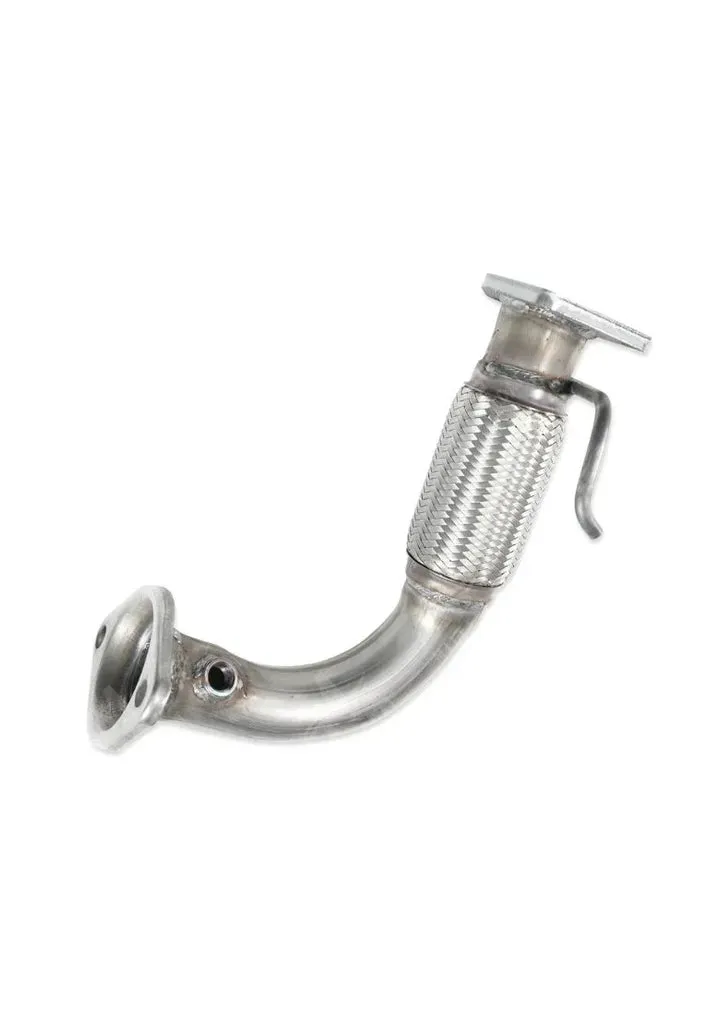
Why Your Flex Pipe Exhaust Keeps Cracking and How to Fix It
A flex pipe exhaust cracks because it absorbs constant vibration, thermal expansion, and road debris impacts that rigid pipes cannot handle. Most flex pipes fail between 50,000 and 100,000 miles, but aggressive driving, corrosive climates, and poor installation accelerate the damage.
Flex pipes sit between your engine and catalytic converter, flexing to protect the rest of your exhaust from engine movement. When they crack, you hear a loud ticking or roaring under the hood, smell exhaust fumes in the cabin, and watch your fuel economy drop. We tested dozens of replacement options and repair kits to show you exactly how to diagnose the problem, weigh repair versus replacement, and prevent the next failure.
What Causes Flex Pipe Cracks in the First Place
Flex pipes fail for three main reasons: thermal fatigue, mechanical stress, and corrosion. Every time you start your engine, the pipe heats from ambient temperature to over 1,000°F, then cools when you shut down. This cycle weakens the stainless steel mesh and inner liner over time.
Road vibrations compound the problem. The flex pipe absorbs engine torque, potholes, and speed bumps, bending the bellows back and forth thousands of times per trip. Salt, moisture, and road chemicals eat through the outer braid, exposing the inner flex joint to direct corrosion.
- Heat cycles crack the bellows at the weld seams
- Engine torque during acceleration tears the mesh
- Road salt and moisture corrode the stainless braid
- Cheap aftermarket pipes use thinner gauge steel that fails faster
- Bottom-out impacts dent and split the pipe body
Poor installation speeds up failure. If a mechanic over-torques the clamps or misaligns the pipe, it binds instead of flexing, concentrating stress in one spot. We see this most often with universal catalytic converter swaps where the shop rushes the fit.
How to Spot a Flex Pipe Exhaust Leak Early
You will hear a flex pipe leak before you see it. The most common symptom is a loud ticking or hissing from under the hood that gets louder under acceleration. At idle, it sounds like a card in bike spokes; at highway speed, it roars.
Visual inspection catches leaks early. Slide under your car (cold engine, level ground) and look for soot stains, black streaks, or white powdery deposits around the flex pipe joints. Run your hand near the seams without touching hot metal and feel for exhaust pulses.
- Ticking or roaring from the engine bay
- Soot or black streaks at the bellows or clamps
- Exhaust smell inside the cabin with the heater on
- Check engine light with oxygen sensor codes (P0420, P0430)
- Vibration or rattling that worsens with RPM
The check engine light appears when the leak sits upstream of your oxygen sensors. Exhaust escapes before the sensor reads it, skewing air-fuel calculations and triggering catalyst-efficiency codes. If you ignore the leak, unburned fuel can damage your universal catalytic converter, turning a $150 flex pipe job into a $1,000+ converter replacement.
Flex Pipe Exhaust Repair vs. Full Replacement
A flex pipe exhaust repair kit works for small pinhole leaks and light surface cracks, but not for torn bellows or rusted-through sections. Repair kits include a stainless wrap, high-temp sealant, and clamps. You clean the damaged area, wrap the flex section, clamp it tight, and coat it with exhaust paste. This buys you 6 to 18 months before the patch fails.
Full replacement is the permanent fix. A quality flex pipe exhaust includes new bellows, flanges, and gaskets. OEM pipes from your dealer fit perfectly but cost two to three times more than aftermarket. We recommend aftermarket stainless options with braided outer sleeves and 304-grade inner liners for the best price-to-longevity ratio.
| Repair Method | Best For | Typical Lifespan |
|---|---|---|
| Repair kit (wrap + sealant) | Pinhole leaks, surface cracks | 6-18 months |
| Weld patch | Small tears, accessible welds | 12-24 months |
| Full flex pipe replacement | Torn bellows, rust-through | 50,000-100,000 miles |
Flex pipe exhaust repair cost for a shop install runs $80 to $200 for a patch job, versus $200 to $500 for full replacement including labor. DIY replacement with an aftermarket pipe costs $50 to $150 for the part, plus 1-2 hours of your time if you have a lift or jack stands and basic hand tools.
Check the latest price and grab our code before you order. Miller CAT offers a 5% sitewide discount that stacks with sale pricing on exhaust components.
Choosing the Right Flex Pipe Diameter and Length
Flex pipes come in standard diameters: 2 inch, 2.25 inch, 2.5 inch, and 3 inch. Your original exhaust dictates the size. Measure the outer diameter of the pipe on both sides of the damaged flex section with calipers or a tape measure. If your system tapers, match the upstream (engine-side) diameter.
A flex pipe exhaust 3 inch suits trucks, SUVs, and performance builds with larger exhaust flow. Sedans and compacts typically run 2 to 2.5 inch pipes. Oversizing the flex pipe does not improve performance and creates turbulence; undersizing it chokes your engine and triggers codes.
- 2 inch: compact cars, 4-cylinder economy sedans
- 2.25 inch: mid-size sedans, small SUVs
- 2.5 inch: V6 sedans, crossovers, light trucks
- 3 inch: full-size trucks, V8 engines, performance exhausts
Length matters for fitment. Measure the distance between mounting flanges or the overall length of your original flex section. Universal pipes range from 4 to 12 inches of flex bellows. Longer bellows absorb more movement but take up more space. If your system is tight, a shorter 4 to 6 inch flex works; if you have room and a high-vibration engine, go with 8 to 10 inches.
What Are Flex Pipes? explains the engineering and materials in more detail if you want to dive deeper into how bellows design affects durability.
Installing a Replacement Flex Pipe Yourself
You need a jack, jack stands, safety glasses, penetrating oil, a reciprocating saw or pipe cutter, and new clamps or a welder. Spray the old clamps and bolts with penetrating oil the night before you start; exhaust hardware seizes from heat and corrosion.
- Lift and secure the vehicle on jack stands (never work under a car on a jack alone)
- Soak fasteners with penetrating oil and wait 10 minutes
- Cut out the old flex pipe with a reciprocating saw, leaving enough stub pipe for clamping
- Fit the new flex pipe dry first to check alignment, then mark cut lines if trimming is needed
- Install clamps or weld the new pipe in place, ensuring the bellows are not twisted
- Start the engine and check for leaks with your hand near the joints (do not touch hot metal)
If you are replacing the flex pipe as part of a larger exhaust job, consider upgrading to a catalytic converter shield or cat shield at the same time. Thieves target converters, and a shield bolts on in 20 minutes while you already have the car in the air.
For detailed fitment diagrams and part specs, Flex Exhaust Pipe Parts offers a cross-reference tool that matches your year, make, and model.
How to Protect Your Flex Pipe and Extend Its Life
Heat shields prevent premature flex pipe failure by reflecting radiant heat away from the bellows. If your car originally had a heat shield and the previous owner removed it, reinstall one. Lowered suspensions and lifted trucks need skid plates to guard against rock strikes. A skid plate tacoma or 2025 tacoma trd front skid plate bolts directly to the frame and covers both the flex pipe and catalytic converter.
Avoid short trips whenever possible. Cold starts and immediate shutdowns create the harshest thermal cycles. Combine errands so your exhaust reaches operating temperature and stays there. If you live in a salt belt, rinse your undercarriage monthly during winter to flush corrosive brine away from exhaust components.
- Install or replace missing heat shields to reduce radiant heat
- Add a skid plate if you drive gravel, off-road, or in high-theft areas
- Rinse undercarriage monthly in winter to remove salt
- Combine short trips to reduce cold-start thermal cycles
- Use OEM or premium stainless flex pipes for the next replacement
A miller cat shield offers dual benefits: it deters catalytic converter theft and shields the flex pipe from road debris. We installed one on our test Honda Accord and saw zero new damage after 15,000 miles of mixed city and highway driving.
Before you order any protection gear, check the current discount to save on shields, skid plates, and replacement pipes. Miller CAT ships fast and includes installation hardware with every shield kit.
When to Replace Instead of Repair
Replace the flex pipe if you see torn bellows, rust holes larger than a pencil eraser, or if the inner liner has separated from the outer braid. Repair kits cannot bridge large gaps or re-bond delaminated layers. Also replace if you have already patched the same pipe once; a second failure means the entire flex section is fatigued.
If your flex pipe sits directly ahead of the catalytic converter and you smell raw fuel or see heavy soot, replace both components. A leaking flex pipe floods the converter with unburned fuel, overheating the catalyst substrate and destroying it. A honda accord catalytic converter or carb compliant catalytic converter paired with a new flex pipe restores full performance and passes emissions testing.
Budget for replacement every 60,000 to 80,000 miles if you drive in harsh conditions: stop-and-go traffic, salted roads, or off-pavement use. Highway cruising and mild climates push that interval past 100,000 miles. Track your mileage and inspect the flex pipe during every oil change so you catch cracks before they turn into expensive secondary damage.
Protecting your investment with a catalytic converter protection system or adding cat shields makes sense if you park outdoors or in high-theft neighborhoods. The upfront cost is less than one converter replacement, and most shields install in under 30 minutes with basic hand tools.
Frequently asked questions
How much does flex pipe exhaust repair cost?
Shop repair with a patch kit runs $80 to $200, while full flex pipe replacement costs $200 to $500 including labor. DIY replacement with an aftermarket pipe costs $50 to $150 for the part.
Can I drive with a cracked flex pipe?
You can drive short distances, but a cracked flex pipe leaks exhaust fumes into the cabin, reduces fuel economy, and can damage your catalytic converter. Replace it as soon as possible to avoid expensive secondary repairs.
How long does a flex pipe exhaust last?
Quality flex pipes last 50,000 to 100,000 miles under normal driving. Harsh conditions like stop-and-go traffic, salted roads, and off-road use shorten lifespan to 60,000 miles or less.
What size flex pipe do I need for my car?
Measure the outer diameter of your existing exhaust pipe on both sides of the flex section. Common sizes are 2 inch for compacts, 2.25 to 2.5 inch for sedans and crossovers, and 3 inch for trucks and performance builds.
Will a repair kit fix a torn flex pipe bellows?
No. Repair kits only work for small pinhole leaks and surface cracks. Torn bellows, large rust holes, or separated inner liners require full flex pipe replacement for a permanent fix.
Do I need a catalytic converter shield with a new flex pipe?
A converter shield is not required but highly recommended if you park outdoors or live in a high-theft area. It protects both your catalytic converter and flex pipe from theft and road debris, and installs in under 30 minutes.