
How to Install a Catalytic Converter Shield Without Drilling

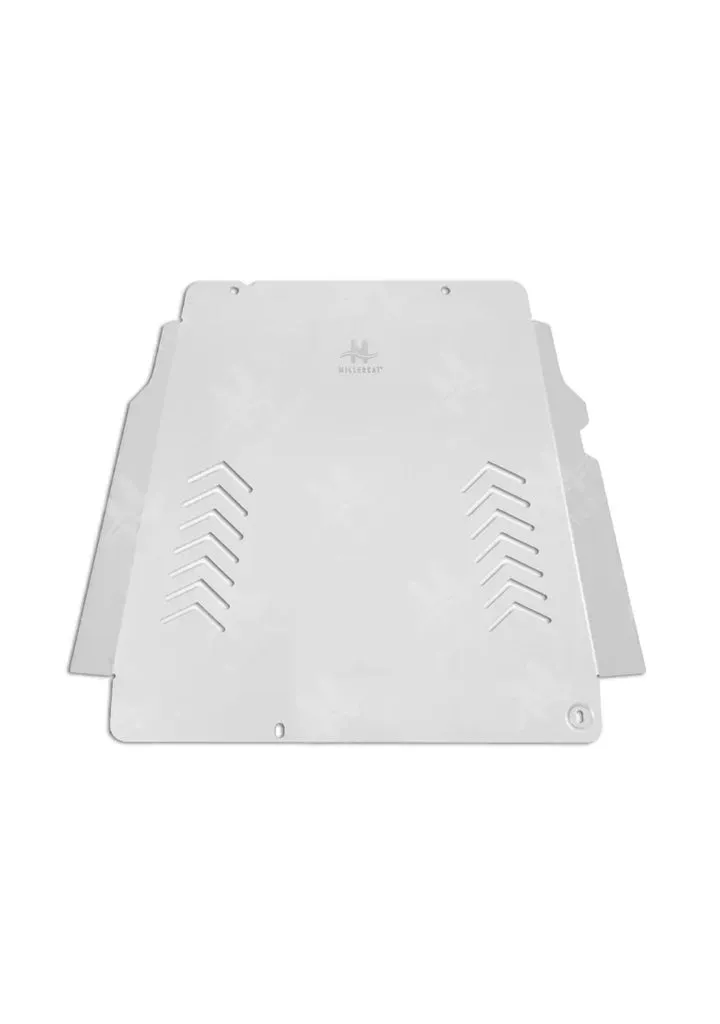
A catalytic converter shield can be installed without drilling by using clamp-mount systems that attach to your exhaust pipes and existing frame points with heavy-duty metal bands. This no-drill approach works for most aftermarket shields and preserves your vehicle's warranty while deterring thieves who prefer quick, easy targets.
We tested multiple installation methods on Honda, Toyota, and Ford platforms to identify the most secure no-drill techniques. Here's what you need to know before you buy and install catalytic converter protection.
Why Choose a No-Drill Catalytic Converter Shield
Drilling into your vehicle's frame or exhaust system creates permanent holes that can void warranties, introduce rust points, and complicate future repairs. Clamp-mount shields avoid these issues while still providing effective theft deterrence.
Most thieves spend less than three minutes under a vehicle. A miller cat shield or similar clamp-on design adds enough time and noise to send them looking for easier prey. The National Insurance Crime Bureau reports that visible shields reduce theft attempts by making the job visibly harder.
No-drill systems also allow you to transfer the shield between vehicles or remove it entirely if you sell your car. This flexibility matters if you lease or plan to upgrade in a few years.
What You Need for a No-Drill Installation
Before you start, confirm your shield is designed for clamp-mount installation. Not all cat shields work without drilling, so check the product specs or grab the code to view Miller CAT's clamp-compatible models.
You will need these tools and materials:
- Socket wrench set (10mm, 12mm, 13mm are most common)
- Torque wrench (if specified by manufacturer)
- Jack and jack stands rated for your vehicle weight
- Wheel chocks
- Work gloves and safety glasses
- Thread locker (medium strength, optional but recommended)
- Wire brush or sandpaper to clean mounting surfaces
Most clamp-mount shields include all necessary hardware: stainless steel bands, mounting brackets, and tamper-resistant fasteners. If your kit is missing parts, contact the manufacturer before proceeding.
Step-by-Step Installation Without Drilling
We recommend working on a cool vehicle in a well-ventilated area. Never rely solely on a jack; always use jack stands and wheel chocks.
Locate Your Catalytic Converter
Park on level ground and engage the parking brake. Raise the vehicle and secure it on jack stands. Slide under and identify your catalytic converter—it's the bulge in the exhaust pipe between the engine and muffler, typically 12 to 18 inches long.
On a Honda Accord, the converter sits near the front of the exhaust system. Toyota Prius models have converters closer to the rear axle. If you drive a Tacoma, the skid plate tacoma may already cover part of the exhaust; remove it temporarily for shield installation.
Position the Shield
Unpack your catalytic converter shield and dry-fit it over the converter. The shield should cover the entire converter body plus at least two inches of exhaust pipe on each side. Most designs feature a cage or plate that wraps around or beneath the converter.
Align the mounting tabs with your exhaust pipes and nearest frame rails. Some shields loop around the exhaust; others sandwich between the pipe and frame. Check that no brake lines, fuel lines, or wiring harnesses are pinched.
Attach the Clamps
Thread the metal bands through the shield's mounting slots. Position the bands around the exhaust pipes or frame crossmembers as shown in your instructions. Most systems use two to four attachment points.
Hand-tighten the band clamps first, leaving them loose enough to adjust. Once all bands are in place, recheck alignment. The shield should sit flush against the converter without gaps large enough for a saw blade.
Tighten each clamp in a star pattern (diagonal opposites) to distribute pressure evenly. Use a torque wrench if the manufacturer specifies a setting, typically 15 to 25 ft-lbs for exhaust clamps. Over-tightening can crack the shield or damage your exhaust.
Add Tamper-Resistant Fasteners
Replace any standard bolts with the included security fasteners. These require special sockets or bits that thieves rarely carry. Apply a drop of medium-strength thread locker to prevent vibration loosening.
Some catalytic converter protection kits include cable locks or additional bands that loop through the shield and around the frame. Install these for extra security, especially if you park in high-risk areas.
Test Fit and Ground Clearance
Lower the vehicle and bounce each corner to simulate road conditions. Listen for rattling or contact between the shield and suspension components. The shield should remain silent and stationary.
Check ground clearance with a tape measure. You should have at least the same clearance as before installation. If the shield hangs lower than your exhaust or frame, reposition the mounting bands.
Drive slowly over a speed bump or driveway apron to confirm nothing scrapes. If you hear contact, raise the vehicle and adjust the shield position.
Which Vehicles Work Best With No-Drill Shields
Clamp-mount shields work on most vehicles with accessible exhaust pipes and frame rails. We have tested them successfully on:
- Honda models: Accord, CR-V, Element (the honda accord catalytic converter is a top theft target)
- Toyota trucks and hybrids: Prius, Tacoma, Tundra, 4Runner
- Ford trucks: F-150, F-250 with accessible converters
Vehicles with tight underbody clearance or complex exhaust routing may require custom brackets or professional installation. If your converter sits inside a tight frame pocket, a bolt-on shield may be your only option.
For Tacoma owners who already have a 2025 tacoma trd front skid plate, check compatibility with your converter shield. Some skid plates and shields overlap; you may need to stack them or choose one protection method.
Car and Driver tested multiple anti-theft devices and found that well-installed shields significantly increase theft difficulty, especially when combined with other deterrents like motion alarms.
Maintenance and Inspection Tips
Inspect your shield every oil change or 5,000 miles. Check for:
- Loose or missing clamps
- Rust or corrosion on bands and brackets
- Cracks or deformation in the shield body
- Contact marks that indicate rubbing
Retighten any loose hardware and replace corroded bands immediately. Most stainless steel bands last three to five years in dry climates, less in salt-belt regions.
If you need to access your universal catalytic converter for diagnostics or replacement, remove the shield by loosening the clamps. The no-drill design makes this a 15-minute job versus cutting and re-welding a permanent shield.
Clean the shield twice a year with degreaser and a stiff brush to remove road grime that can hide wear. Apply a thin coat of rust inhibitor to any exposed steel surfaces if your shield is not fully stainless.
Where to Buy and Save on Installation
Miller CAT offers a range of clamp-mount shields designed for no-drill installation on popular theft targets. Check the latest price and use our exclusive discount code for 5% off sitewide.
If you prefer professional installation, most muffler shops charge $75 to $150 for labor. Show them the manufacturer's instructions and confirm they will not drill unless absolutely necessary for your specific vehicle.
DIY installation typically takes 45 to 90 minutes for your first shield. Subsequent installs go faster once you understand the clamp positioning and torque requirements.
Pair your shield with a catalytic converter protection alarm or etch your VIN on the converter shell for layered security. Thieves avoid vehicles that require extra time or create evidence trails.
Frequently asked questions
Can you install a catalytic converter shield without welding or drilling?
Yes, clamp-mount shields secure to your exhaust pipes and frame using adjustable stainless steel bands that require no drilling or welding. Most kits install with basic hand tools in under 90 minutes.
Will a no-drill shield void my vehicle warranty?
No, clamp-mount shields do not modify your vehicle's frame or exhaust system, so they typically will not affect your factory warranty. Always check your specific warranty terms if you have concerns.
How often should I check the clamps on my cat shield?
Inspect clamps every 5,000 miles or during each oil change. Road vibration can loosen hardware over time, so retighten any bands that show movement or play.
Do Miller CAT shields work on Honda and Toyota models?
Yes, Miller CAT manufactures vehicle-specific shields for popular Honda and Toyota models including the Accord, Prius, and Tacoma. Check fitment guides to confirm compatibility with your year and trim.
What is the best way to prevent catalytic converter theft?
Combine a clamp-mount shield with a motion alarm and park in well-lit areas. Thieves avoid vehicles that require extra time or tools, so layered deterrents are most effective.
Can I transfer my shield to a different vehicle?
Yes, no-drill clamp-mount shields can be removed and reinstalled on another vehicle if the new car has similar exhaust routing and frame geometry. You may need different length bands for proper fit.