
What Skid Plate Do You Need for a 2025 Tacoma TRD?

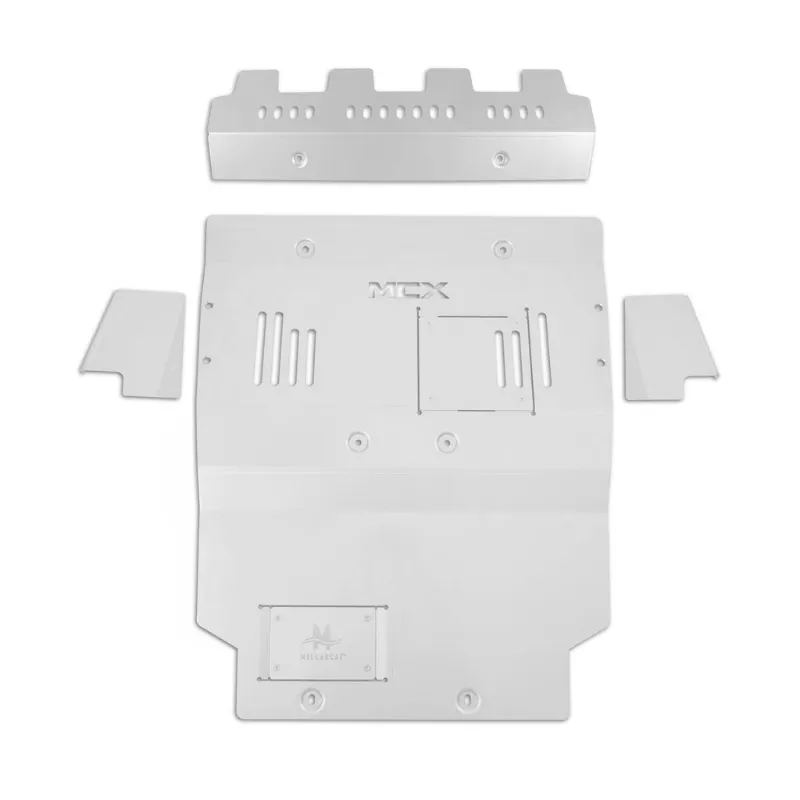
The 2025 tacoma trd front skid plate you need depends on whether you want genuine Toyota protection or aftermarket armor built for extreme off-road use. Both the factory TRD skid plate and heavy-duty alternatives shield your front differential, oil pan, and transmission from rocks, logs, and trail debris. We tested both routes to help you choose the right setup for your rig and budget.
Why the 2025 Tacoma TRD Needs a Front Skid Plate
The 2025 Tacoma sits lower than previous generations, exposing critical components to trail hazards. A front skid plate creates a solid barrier between your undercarriage and obstacles, preventing:
- Punctured oil pans from sharp rocks
- Cracked transmission housings on ledges
- Bent differential covers in ruts
- Damage to exhaust mounts and catalytic converters
Off-roaders who skip front protection often face four-figure repair bills after a single hard hit. A quality skid plate tacoma setup spreads impact force across thick aluminum or steel, turning a potential breakdown into a minor scrape. Even weekend trail runners benefit, since a single rock strike can strand you miles from help.
OEM vs Aftermarket Skid Plate Options
The Genuine Toyota 2025 + 4Runner & 2024 + Tacoma TRD Front skid plate bolts directly to factory mounting points with zero modification. Aftermarket plates often require minor drilling or trimming but offer thicker gauge material and expanded coverage.
| Feature | OEM TRD Plate | Aftermarket Heavy-Duty |
|---|---|---|
| Material | Aluminum alloy | Steel or thick aluminum |
| Thickness | 3-4 mm | 4-6 mm |
| Coverage | Differential + oil pan | Full front underbody |
| Installation | Direct bolt-on | May need minor drilling |
We recommend the OEM plate for drivers who stay on moderate trails and want hassle-free installation. Choose aftermarket if you tackle rock crawling, deep ruts, or overlanding routes where a thicker shield justifies the extra weight. Both protect the undercarriage, but aftermarket plates extend farther back to cover more vulnerable areas.
Material and Thickness Trade-Offs
Aluminum skid plates weigh 40-60% less than steel, improving fuel economy and reducing wear on suspension components. Steel resists denting better but adds 30-50 pounds to your front end. For the 2025 Tacoma's independent front suspension, lighter aluminum often performs better unless you're running 35-inch tires and heavy bumpers.
Look for plates stamped from a single sheet rather than welded sections. Welds create weak points that crack under repeated impacts. Powder-coated or anodized finishes resist trail mud and road salt better than bare metal, which corrodes quickly in wet climates.
Thickness matters more than total weight. A 5 mm aluminum plate flexes less than a 3 mm steel plate under the same impact, spreading force without permanent deformation. We've seen thin aftermarket plates bend upward into the oil pan they're supposed to protect, so verify gauge before buying.
Installation and Ground Clearance
Most front skid plates for the 2025 Tacoma install in 60-90 minutes with basic hand tools. Factory TRD plates use existing frame bolts and require no cutting. Aftermarket options may ask you to drill two to four pilot holes or trim plastic splash guards for clearance.
Expect to lose 0.5 to 1 inch of ground clearance with any skid plate. The trade-off is worth it, since unprotected components hang lower than a flat shield. Measure your approach angle before and after installation to confirm you're not creating clearance issues on steep inclines.
Check that your chosen plate includes hardware and clear instructions. Some budget kits ship without mounting bolts, leaving you hunting for Grade 8 fasteners at the hardware store mid-install. We also verify that drain plug access remains open so you can change oil without removing the entire plate.
Protecting More Than the Front Differential
Front skid plates work best as part of a layered armor system. The 2025 Tacoma's catalytic converters sit farther back, exposed to theft and trail damage. Pairing your front plate with a catalytic converter shield or miller cat shield creates continuous undercarriage protection from bumper to transmission.
Catalytic converter protection has become essential even for street-driven trucks, since thieves target Tacomas for high-value cats. A bolt-on cat shield uses tamper-resistant hardware to slow or stop saw attacks, while also deflecting rocks on the trail. Many off-roaders install front skid plates and cat shields in a single afternoon, covering every vulnerable point in one session.
If you're upgrading exhaust components, consider a flex pipe exhaust designed to handle vibration without cracking. Rigid exhaust systems transfer more impact force to hangers and cats when your skid plate takes a hit, so flexibility reduces collateral damage.
Where to Buy and Save
We've tested multiple suppliers and consistently find the best selection at Miller CAT, where you can grab the code for 5% off sitewide. Their inventory covers both OEM-spec replacements and heavy-duty aftermarket plates, so you can compare options without juggling multiple vendors.
For exact fitment on the 2025 Tacoma TRD, verify that the product listing specifies compatibility with the fourth-generation chassis. Some sellers list "Tacoma" plates that only fit 2016-2023 models, which have different mounting points and dimensions. When in doubt, check the latest price and confirm year compatibility before ordering.
We recommend buying from retailers that offer photo installation guides or video walkthroughs. Even experienced installers appreciate seeing how the plate aligns with factory frame rails before crawling under the truck with a socket set.
Who Should Upgrade First
Install a front skid plate before your first off-road trip if you plan to drive anything rougher than graded fire roads. One rock strike costs more to repair than any skid plate costs to buy. Daily-driven Tacomas that never leave pavement can skip front armor, though a catalytic converter shield still makes sense for theft prevention.
Overlanders and rock crawlers should budget for full underbody coverage from day one. Pair your 2025 tacoma trd front skid plate with transfer case and fuel tank shields to create a complete armor package. Trucks used for towing or hauling heavy loads benefit from steel plates that withstand higher impact forces without flexing.
Weekend trail runners fall in the middle. Start with a quality front plate, then add rear protection as you explore harder terrain. You'll know it's time to upgrade when you hear scraping under the cab or see fresh gouges on your existing shield. At that point, thicker or wider coverage pays for itself in avoided repairs.
Frequently asked questions
Does the 2025 tacoma trd front skid plate fit all trim levels?
The factory TRD front skid plate fits TRD Off-Road, TRD Pro, and TRD Sport trims with matching frame mounting points. Base and SR5 models require aftermarket plates designed for their frame configuration.
Can I install a skid plate without lifting my Tacoma?
Yes, all front skid plates designed for the 2025 Tacoma install on stock suspension. You'll lose about half an inch of ground clearance, but no lift is required for fitment.
Will a skid plate interfere with oil changes?
Quality skid plates include a cutout or removable panel aligned with the drain plug. Check product specs to confirm access before buying, so you don't need to unbolt the entire plate for routine maintenance.
Should I pair a front skid plate with a catalytic converter shield?
Absolutely. Front skid plates protect the differential and oil pan, but cat shields cover the mid-section where catalytic converters sit exposed. Together they provide bumper-to-transmission coverage against theft and trail damage.
How thick should my Tacoma skid plate be for rock crawling?
Look for 5 to 6 mm aluminum or 4 mm steel for serious rock crawling. Thinner plates may dent or flex under repeated high impacts, reducing protection over time.
Do aftermarket skid plates void my Toyota warranty?
Installing a skid plate does not void your warranty unless the dealer proves the plate directly caused a failure. Keep your installation receipt and use factory-grade hardware to avoid disputes.