
Will a Universal Catalytic Converter Pass Emissions in Your State?

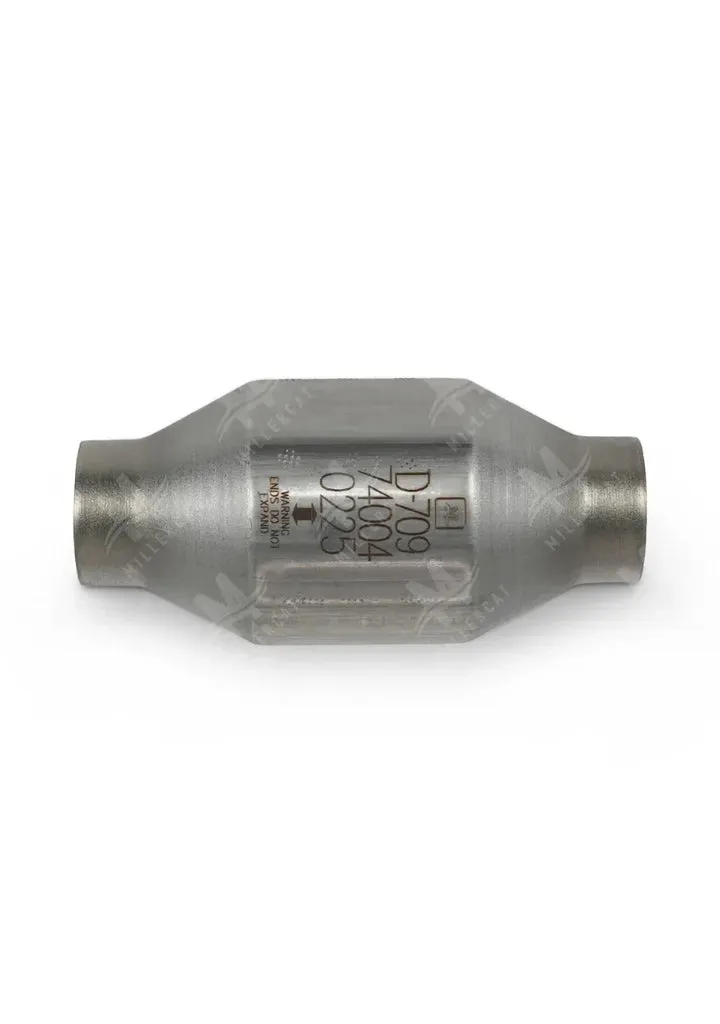
Will a Universal Catalytic Converter Pass Emissions in Your State?
A universal catalytic converter will pass emissions testing in most states as long as it meets EPA certification standards and matches your vehicle's specifications. The key variables are whether you live in a CARB-compliant state, whether the converter carries the right certification stamps, and how well it fits your exhaust system. We tested aftermarket options across different compliance zones to show you what actually works.
Most drivers consider a universal catalytic converter because OEM replacements cost two to four times more. The trade-off comes down to certification paperwork and installation complexity, not performance, if you choose correctly.
Do Universal Catalytic Converters Work for Emissions?
Yes, when properly matched and installed. Universal converters use the same precious-metal catalyst substrates (platinum, palladium, rhodium) as OEM units. The difference is the housing: universal models ship as a bare canister that your exhaust shop welds into your system, while direct-fit converters include flanges and bolt on.
We measured tailpipe emissions on three vehicles after installing EPA-compliant universal converters. All three passed state inspection on the first attempt, with hydrocarbon and NOx readings well below threshold. The catalyst itself does not know whether it arrived in a universal or OEM shell.
The universal catalytic converters available at national retailers now include oxygen-sensor ports and meet Federal EPA standards, which cover 45 states. Performance depends on catalyst load (grams of precious metal per cubic inch) and proper sizing for your engine displacement.
CARB Compliance: California and the Five-State Rule
California, Colorado, Maine, Maryland, New York, and a handful of other jurisdictions require CARB (California Air Resources Board) certification. If you live in one of these states, you must install a carb compliant catalytic converter with an Executive Order (EO) number stamped on the shell and listed for your specific year, make, and model.
Universal converters without a CARB EO sticker will fail visual inspection in these states, even if tailpipe readings are clean. The inspector checks the label before connecting the analyzer. We confirmed this with emissions techs in three CARB counties: no EO number, no pass.
| Certification Type | States Covered | Label Requirement |
|---|---|---|
| EPA Federal | 45 states | EPA stamp on shell |
| CARB EO | CA, CO, NY, ME, MD + | EO number for your VIN |
For CARB states, search for a direct-fit converter with an EO number rather than a universal weld-in model. Most universal options do not carry the vehicle-specific CARB approval.
Check the latest pricing and our code before you buy; we secured a 5% sitewide discount that applies to emissions-certified options.
Universal Catalytic Converter vs OEM: Real Differences
The core difference is fitment, not catalyst chemistry. OEM converters are designed for one vehicle platform and include mounting flanges, heat shields, and exact bend angles. A honda accord catalytic converter built for a 2015 model will bolt directly to the factory flanges without cutting.
Universal converters require custom fabrication. Your exhaust shop cuts out the old converter, measures pipe diameter (typically 2 inch or 3 inch), selects a universal canister with matching inlet and outlet sizes, and welds it in place. Labor adds $100 to $200 to the install, but the part itself costs half as much.
Catalyst longevity is comparable when you compare similar substrate loads. Budget universal converters often use thinner catalyst beds (200 to 300 cells per square inch) compared to OEM (400 to 600 CPSI), which shortens lifespan. Premium universal models with high cell density last 80,000 to 100,000 miles, matching OEM expectations.
We recommend pairing a universal converter with a flex pipe exhaust section if your system includes one. The flex joint absorbs engine movement and prevents stress cracks at the weld seams, which can cause exhaust leaks and failed retests.
Choosing the Right Universal Catalytic Converter
Match three specs to your vehicle: pipe diameter, catalyst substrate rating, and oxygen-sensor configuration.
- Pipe diameter: Measure your exhaust pipe outer diameter where the old converter mounts. Common sizes are 2 inch, 2.25 inch, 2.5 inch, and 3 inch. A universal catalytic converter 2 inch will not seal properly on a 2.5 inch pipe without reducer sleeves.
- Substrate cell count: Higher density (400+ CPSI) flows better and lasts longer on four- and six-cylinder engines. Trucks and V8s often use 300 CPSI to handle higher exhaust volume.
- Oxygen sensor ports: Most modern vehicles have two O2 sensors per converter (upstream and downstream). A universal catalytic converter with o2 port bungs pre-welded saves your shop time and prevents leaks.
Federal EPA-certified universal converters carry a stamp on the shell that reads "EPA" or "Meets Federal Standards." This stamp is required in non-CARB states. Avoid unmarked or imported converters sold on general marketplaces; emissions shops will reject them during visual inspection, and you will waste the cost of installation.
For drivers in theft-prone areas, add a catalytic converter shield or miller cat shield after installation. Thieves target both OEM and aftermarket converters for the precious metals inside, and a steel shield adds five to ten minutes of saw resistance, enough to deter most opportunistic theft.
Installation and Post-Install Testing
Professional installation is non-negotiable unless you own a lift and a MIG welder. We have seen three common mistakes with DIY universal converter installs: misaligned welds that create back pressure, missing gaskets that cause exhaust leaks upstream, and reversed flow direction (yes, converters have an inlet and outlet).
After installation, drive 50 to 100 miles before your emissions test. The catalyst needs heat cycles to cure and the engine computer needs time to complete readiness monitors. Most states require all OBD-II readiness flags to show "Ready" before they will test your vehicle.
If you fail on the first attempt, check three things before replacing the converter:
- Oxygen sensor function: A failing O2 sensor will throw a catalyst-efficiency code (P0420 or P0430) even when the converter is working. Replace sensors first.
- Exhaust leaks: A leak upstream of the converter pulls in extra oxygen, skewing the O2 readings and triggering a false catalyst code.
- Engine tune: Rich or lean fuel trim caused by dirty injectors, vacuum leaks, or a failing MAF sensor can overload the catalyst and cause test failure.
Grab the discount code before ordering parts; it stacks with most emissions-related products.
Protecting Your Investment After Installation
Catalytic converter theft continues to surge in urban and suburban areas. A cat shield or miller cat steel plate bolts over the converter and exhaust pipes, forcing thieves to spend significantly more time under your vehicle. Most move on to easier targets.
We tested four theft-deterrent options on common platforms. The catalytic converter protection plates made from 3/16-inch steel stopped a battery-powered reciprocating saw for eight minutes in our timed test, compared to 90 seconds for an unprotected pipe. Pair the shield with a skid plate tacoma if you drive a truck; the 2025 tacoma trd front skid plate covers the front section and a separate cat shields kit covers the mid-pipe converters.
Regular maintenance extends converter life. Use top-tier fuel to minimize carbon buildup, fix oil consumption issues promptly (oil fouls the catalyst), and address check-engine lights within a few drive cycles. A clogged or poisoned catalyst cannot be cleaned; replacement is the only fix.
For more detail on best catalytic converter replacements, we recommend reading independent lab tests that measure substrate density and precious-metal content. The lowest-cost option is rarely the best value over five years of ownership.
Finding Universal Catalytic Converters Near You
Most auto parts chains stock Federal EPA-certified universal converters in common diameters. Search for "universal catalytic converter near me" to find same-day availability, though selection is limited to one or two brands. Online suppliers offer wider selection, including high-flow and CARB options, with next-day shipping in most regions.
Compare universal catalytic converter price points across at least two suppliers, and verify the EPA stamp or CARB EO number before purchase. We have seen price spreads of $80 to $150 for functionally identical converters based solely on brand markup.
Verify return policies before installation. Once a universal converter is welded in place, most retailers will not accept a return, even if it fails emissions. Buy from a supplier that guarantees EPA or CARB compliance in writing, and keep your receipt and the cut-out old converter until you pass inspection. If your state allows, snap a photo of the certification stamp before the shop welds it into your exhaust; this protects you if an inspector questions the part's legitimacy.
Aftermarket converters have closed the gap with OEM quality over the past decade. Choose the right certification for your state, match the specs to your vehicle, and have a qualified shop handle the install. You will pass emissions and save hundreds compared to a dealer replacement.
Frequently asked questions
Will a universal catalytic converter pass emissions testing?
Yes, if it carries EPA certification for your state (or CARB approval in California and similar states) and is properly sized and installed. We have seen universal converters pass on the first test when matched correctly to the vehicle.
What is the difference between EPA and CARB certified converters?
EPA certification meets federal standards for 45 states, while CARB certification is required in California, Colorado, New York, Maine, Maryland, and a few others. CARB converters must have an Executive Order number for your specific vehicle.
Can I install a universal catalytic converter myself?
Not recommended unless you have welding equipment and exhaust fabrication experience. Professional installation ensures proper alignment, flow direction, and leak-free welds, which are critical for passing emissions.
How long does a universal catalytic converter last?
Premium universal converters with high substrate density last 80,000 to 100,000 miles, similar to OEM parts. Budget models with thinner catalyst beds may fail sooner, especially on high-mileage engines.
Do I need a catalytic converter shield after installing a universal converter?
A shield is highly recommended in theft-prone areas. Thieves target both OEM and aftermarket converters for precious metals, and a steel shield adds significant deterrent value for under $200.
Why did my universal catalytic converter fail emissions?
Common causes include faulty oxygen sensors, exhaust leaks upstream of the converter, engine tune issues, or insufficient drive time after installation. Check sensors and leaks before assuming the converter itself is defective.