
How to Keep Football Arm Sleeves From Sliding Down During Games

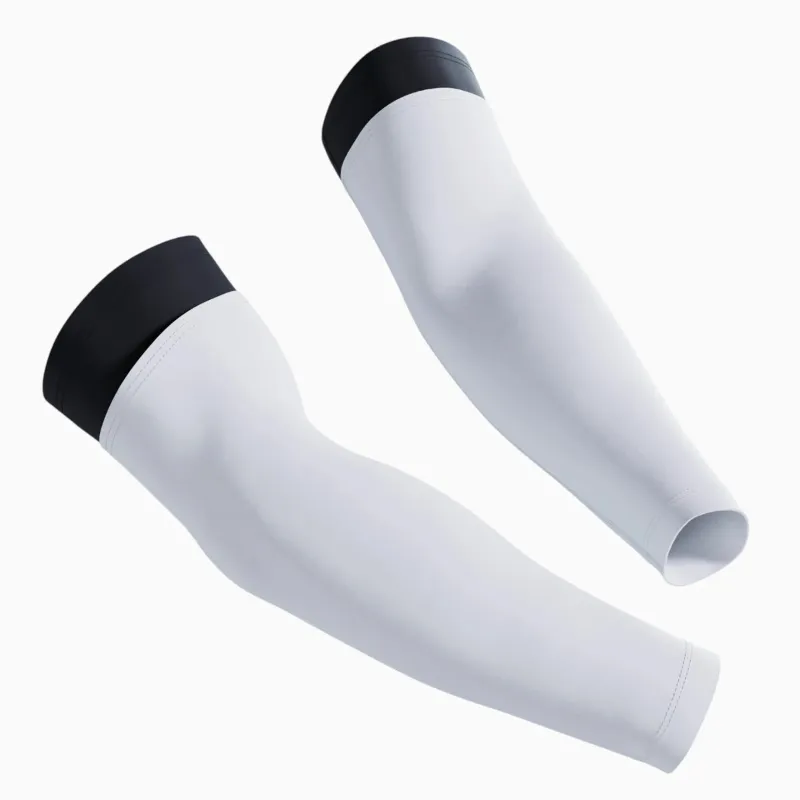
How to Keep Football Arm Sleeves From Sliding Down During Games
Football arm sleeves stay put when you choose the correct size, select sleeves with grip features, and pair them with compression base layers. The most common mistake players make is buying sleeves that are too loose or skipping the prep work that locks them in place for four quarters.
We tested dozens of sleeve styles across youth and adult players to find what actually works when you're sweating, reaching, and taking contact. Here's how to stop the slide and keep your focus on the field.
Choose the Right Size and Compression Level
The foundation of slip-free football arm sleeves starts with proper fit. Sleeves should feel snug from wrist to bicep without cutting off circulation or leaving red marks that last more than a few minutes after removal.
Measure your arm circumference at the widest part of your bicep and at your forearm, then compare those numbers to the brand's size chart. Most adult sleeves fit arms between 10 and 16 inches in circumference, while football arm sleeves youth sizes typically range from 8 to 12 inches.
- Too loose: fabric bunches at the elbow and slides during arm extension
- Too tight: restricts blood flow, causes numbness, or rolls down from compression rebound
- Just right: sleeve stays flush to skin, moves with your arm, and you forget you're wearing it
If you're between sizes, go with the smaller option for better grip. Compression fabrics stretch over time, especially after washing, so a snug fit out of the package will break in to feel more comfortable by game day.
Look for Silicone Grip and Textured Bands
Modern arm sleeves football designs include anti-slip features that older models lacked. The two most effective grip technologies are silicone strips and textured elastic bands at the top cuff.
Silicone grip runs along the inside of the bicep opening in dots, lines, or waves. This tacky material bonds to your skin through light moisture and friction, creating a seal that holds even when you're sweating. Football arm sleeves with grip consistently outperform plain Lycra or polyester blends in our field tests.
Textured elastic bands add a second layer of security. These wide cuffs (usually 1 to 2 inches) use tighter weave patterns or rubberized backing to anchor the sleeve. Many football arm sleeves padded models include both silicone and elastic because the extra padding weight pulls sleeves down faster without strong retention.
Check product details for terms like "stay-put cuffs," "gripper elastic," or "silicone band" before you buy. Grab the code to save on sleeves with these features.
Layer with a Compression Base Layer
One of the most effective tricks comes from layering. When you wear football arm sleeves over a turtleneck compression shirt or similar fitted base layer, the sleeve grips fabric instead of skin. This creates more surface friction and reduces the slippage caused by sweat and body oils.
Compression shirts also smooth out arm hair and skin texture, giving the sleeve a consistent surface to grip. Players with very hairy arms or dry skin often see the biggest improvement from this technique.
| Layering Option | Grip Improvement | Best For |
|---|---|---|
| Bare skin | Moderate | Smooth skin, indoor play |
| Compression shirt | High | Outdoor games, heavy sweating |
| Arm hair shaved | Moderate-High | All conditions |
The added benefit: a turtle neck compression shirt keeps your core warm during cold-weather games and provides light muscle support across your shoulders and chest. Just make sure the base layer is moisture-wicking so sweat doesn't pool between the layers.
Prep Your Skin Before Pulling Sleeves On
How you prepare your arms makes a real difference. Clean, dry skin gives silicone grip the best surface to bond with. Lotion, sunscreen, and body oils create a slippery barrier that breaks the seal, so apply those products at least 30 minutes before you put on sleeves and wipe your arms down with a towel first.
Some players use a light spray of adhesive or grip spray (the same products used for gloves or socks) on the inside cuff of the sleeve. A small amount goes a long way, and you'll want to test this during practice before relying on it in a game.
- Wash your arms with soap and water before dressing
- Dry completely, especially in the elbow crease
- Avoid moisturizer or sunscreen on the upper arm where the cuff sits
- Roll sleeves up from the wrist rather than pulling from the top
Rolling the sleeve up your arm, rather than stretching the top cuff over your bicep, preserves the elastic tension and keeps the gripper band from overstretching.
Pair Sleeves with Other Compression Gear
When your entire kit works together, everything stays in place better. Players who wear football compression shorts and football leg sleeves report that their arm sleeves slip less, likely because the full-body compression creates a unified layer that moves as one piece.
This approach is especially helpful for youth players, who often struggle with sleeves sliding on smaller, less muscular arms. Football arm sleeves youth sizes combined with a fitted base layer give younger athletes the same secure fit that adults get from compression alone.
You can extend this logic to cold-weather accessories. A football skull cap or mask hoodie doesn't directly affect your arms, but keeping your whole body warm and dry reduces the overall sweat and movement that causes slippage.
Adjust and Re-Seat During Breaks
Even the best-fitting sleeves may shift slightly during intense play. Build a quick check into your between-play routine: tug the cuff back up to your bicep, smooth out any bunching at the elbow, and make sure the silicone grip is sitting flat against your skin.
Most sliding happens gradually. A sleeve that drops a half-inch on one play will drop another half-inch on the next until it's bunched at your forearm. Catching it early and re-seating the cuff takes two seconds and saves you from a major distraction later in the drive.
During timeouts and quarter breaks, peel the sleeve down briefly to let your skin breathe, then roll it back up. This refreshes the grip and clears any sweat buildup that's reducing traction. Check the latest price on multipacks so you can rotate sleeves between quarters if needed.
Consider Padded and Specialized Sleeve Styles
Football arm sleeves padded with foam or gel add protection but also add weight, which increases the downward pull on the cuff. If you need padding for contact or turf burn prevention, look for models that combine heavier materials with extra-wide gripper bands or dual silicone strips.
Some brands, including options from Nike, design football arm sleeves Nike styles with sport-specific cuts that account for the throwing and blocking motions in football. These sleeves often have tapered compression that's tighter at the bicep and slightly looser at the forearm, which helps them stay anchored at the top.
Specialty colors and patterns don't affect performance, but they can affect motivation. Football arm sleeves pink, neon, or team-color options let you express style without sacrificing function, as long as the core fit and grip features are still there.
Whether you go with football arm sleeves adidas, football arm sleeves battle, or another brand, prioritize the fit and grip technology over the logo. A well-constructed generic sleeve will outperform a premium brand that's the wrong size.
And if you're shopping locally, football arm sleeves academy and other sporting-goods retailers often let you try sleeves on in-store, which is the single best way to confirm fit before you buy.
Frequently asked questions
Why do my football arm sleeves keep sliding down?
Arm sleeves slide when they're too large, lack silicone grip, or are worn on sweaty or oily skin. Choose a snug fit with gripper cuffs and prep your skin by washing and drying your arms before pulling sleeves on.
Should I wear arm sleeves over or under a compression shirt?
Wear arm sleeves over a compression shirt for better grip and less slippage. The sleeve grips fabric more effectively than bare skin, especially when you're sweating during games.
How tight should football arm sleeves fit?
Football arm sleeves should feel snug from wrist to bicep without restricting blood flow or leaving deep marks. If you're between sizes, go smaller since compression fabrics stretch with wear.
Do padded arm sleeves slide more than regular ones?
Yes, padded sleeves are heavier and create more downward pull. Look for padded models with extra-wide silicone grip bands or dual gripper strips to counteract the added weight.
Can I use grip spray to keep arm sleeves in place?
You can apply a small amount of glove or sock grip spray to the inside cuff of your sleeves. Test this during practice first to avoid skin irritation or over-tack that makes removal difficult.
How do I care for arm sleeves with silicone grip?
Wash silicone-grip sleeves in cold water on a gentle cycle and air dry them. Avoid fabric softener and high heat, which break down the silicone and reduce grip over time.