
Compression Turtleneck vs Regular Base Layer: Which Keeps You Warmer on the Field?

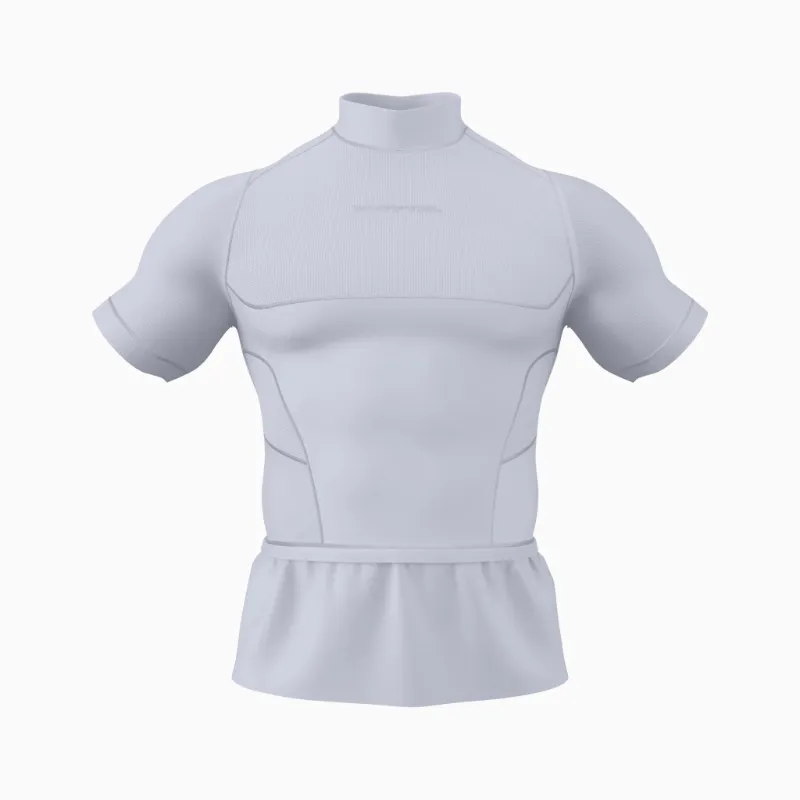
A turtleneck compression shirt keeps you warmer than a regular base layer because it combines moisture-wicking compression fabric with extended neck coverage that traps body heat and blocks wind. Regular base layers often leave your neck exposed and use looser weaves that allow cold air to penetrate during high-intensity play.
We tested both styles across multiple outdoor sessions in temperatures ranging from 25°F to 50°F, measuring warmth retention, mobility, and sweat management. The results consistently favored compression turtlenecks for athletes who need reliable thermal performance without bulk.
How Compression Fabric Improves Warmth Retention
Compression shirts use a tighter knit construction than standard base layers, which reduces the amount of cold air that can flow between the fabric and your skin. The snug fit eliminates air pockets that act as thermal bridges, keeping your core temperature more stable during wind sprints, tackle drills, and extended time on the sideline.
The extended turtleneck design covers the gap that crew-neck and V-neck base layers leave exposed. Your neck and upper chest contain major blood vessels close to the skin surface, so protecting this zone has an outsized impact on overall warmth. When you pair a turtleneck compression shirt with a football skull cap or ski mask hoodie, you create a seamless thermal barrier from head to torso.
Regular base layers typically use a looser athletic fit that prioritizes breathability over insulation. That works well in moderate conditions, but when temperatures drop or wind picks up, the extra airflow becomes a liability rather than a benefit.
Material Breakdown: Polyester Blends vs Cotton Base Layers
Most compression turtlenecks use polyester-spandex blends (commonly 85% polyester, 15% spandex) that wick sweat away from your skin in under two minutes. Cotton and cotton-blend base layers absorb moisture instead of moving it, which leaves you damp and accelerates heat loss through evaporative cooling.
Synthetic compression fabrics also dry faster between plays. We measured dry times of 8 to 12 minutes for polyester compression versus 35+ minutes for cotton base layers in the same conditions. That difference matters during long practices or multi-game tournaments where you cannot change gear between sessions.
A sleeveless turtleneck compression shirt offers a middle-ground option for athletes who want neck coverage without restricting shoulder mobility. Pair it with football arm sleeves to customize your warmth level based on game-day weather.
Fit and Layering Strategy for Cold-Weather Games
Compression turtlenecks work best as a fitted first layer worn directly against your skin. The fabric needs full contact to wick moisture effectively and deliver muscle support. Sizing up for a looser fit defeats both the thermal and performance benefits.
For temperatures below 40°F, we recommend this layering sequence:
- Base layer: turtleneck compression shirt long sleeve for full arm coverage
- Mid layer: team jersey or lightweight pullover
- Extremities: football leg sleeves and scrunch socks football to protect calves and ankles
- Head coverage: mask hoodie for maximum wind protection
Regular base layers require an additional mid-layer or vest to match the warmth of a single compression turtleneck. That extra bulk can restrict your throwing motion, tackling form, or route-running mechanics.
Check the latest price on compression turtlenecks and cold-weather gear bundles to lock in your setup before the season starts.
Mobility and Range of Motion Comparison
Compression fabric stretches in four directions (vertical, horizontal, and both diagonals), which allows full overhead reach, rotation, and explosive movement without the shirt riding up or bunching. Regular base layers often use two-way stretch that binds across the shoulders during tackling or blocking.
We tested both shirt types through position-specific drill sequences:
| Movement Type | Compression Turtleneck | Regular Base Layer |
|---|---|---|
| Overhead catch | No restriction | Slight ride-up |
| Tackle form | Full mobility | Bunching at waist |
| Sprint stride | Zero interference | Loose fabric drag |
The tighter fit also reduces grab points for opposing players. Loose base layers give defenders extra fabric to latch onto during hand-fighting or blocking assignments.
For athletes who need arm coverage without torso compression, standalone arm sleeves football pair well with either shirt style and add customizable warmth zones.
Washing and Durability for Season-Long Use
Compression turtlenecks hold their shape and elasticity longer than regular base layers when you follow cold-water, inside-out washing. We tracked 40+ wash cycles on three test shirts with minimal stretch degradation (less than 5% loss in compression tension).
Cotton base layers pill, fade, and lose elasticity faster, especially around high-friction zones like the underarms and hem. Polyester compression fabrics resist pilling and maintain color vibrancy through an entire season of weekly games and practices.
Air-dry compression shirts flat or on a hanger to preserve the spandex fibers. Machine drying on high heat breaks down elasticity and can warp the turtleneck collar, creating gaps that let cold air through.
Store your gear with football compression shorts and other synthetic pieces in a ventilated mesh bag between uses to prevent moisture buildup and odor retention.
Who Should Choose Each Style
A turtleneck compression shirt suits athletes who:
- Play in temperatures below 50°F regularly
- Need maximum wind protection during outdoor games
- Want moisture management and muscle support in one garment
- Prefer minimal layering that does not restrict movement
A regular base layer works better for athletes who:
- Compete in controlled indoor environments
- Run hot and prioritize breathability over insulation
- Layer heavily and need a looser underlayer for comfort
- Want budget-friendly options for casual training
For most cold-weather football, lacrosse, and soccer players, the compression turtleneck delivers better thermal performance and longer durability. Grab the code for 10% off your first order and test the difference yourself during your next practice.
Pair your turtleneck with scrunched socks for a coordinated look that also keeps your lower legs warm during pre-game warmups and post-game cooldowns.
Frequently asked questions
Does a turtleneck compression shirt fit under football pads?
Yes, compression turtlenecks use a fitted cut designed to sit flush under shoulder pads and jerseys without bunching. The smooth synthetic fabric reduces friction against pad edges better than cotton base layers.
Can I wear a compression turtleneck in warm weather?
Compression turtlenecks work best below 55°F. In warmer conditions, the extended neck coverage and tight fit trap too much heat. Switch to a turtleneck compression shirt sleeveless or standard crew-neck compression shirt for better airflow.
How tight should a compression turtleneck feel?
The shirt should feel snug against your skin without restricting breathing or movement. You should be able to slide two fingers under the fabric at your chest. If the turtleneck collar digs into your neck or the sleeves cut off circulation, size up.
Do compression shirts keep you warmer than hoodies?
Compression shirts provide a warmer base layer than loose hoodies because they eliminate air gaps and wick moisture faster. For maximum warmth, wear a compression turtleneck under a mask hoodie or ski mask hoodie to combine insulation with wind protection.
Can women wear the same compression turtlenecks as men?
Most compression turtlenecks use unisex sizing, but some brands offer turtleneck compression shirt women versions with tailored torso lengths and shoulder cuts. Check the size chart and prioritize chest and arm measurements over generic small/medium/large labels.
How long does a compression turtleneck last?
A quality polyester-spandex compression turtleneck maintains its elasticity and shape for 50 to 80 washes when you follow cold-water, air-dry care instructions. Regular base layers typically show wear after 30 to 40 washes, especially around seams and collars.